

Nepal-Tibet Glacial Collapse Flood: More Than 160 Dead and Hundreds Missing After Catastrophic Flash Floods
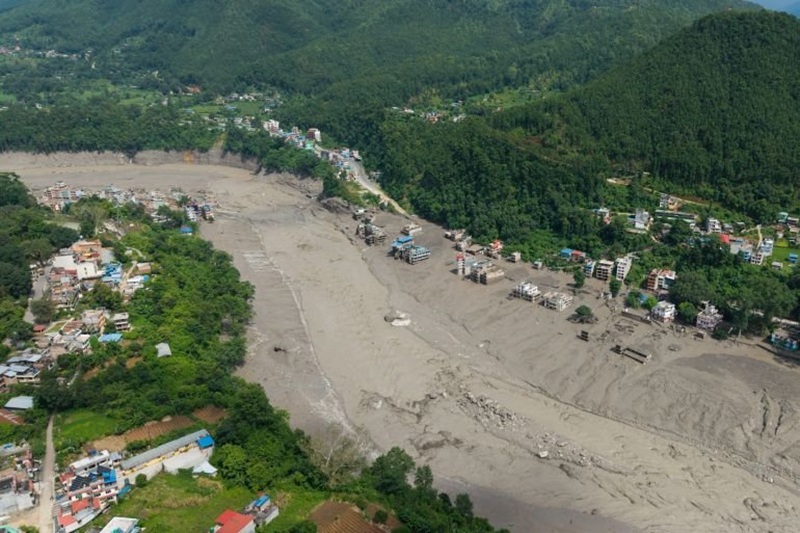
There was no earthquake warning, no siren, no time. On August 26, a towering mass of ice and rock broke loose high in the Himalayas and came down as a wall of water, mud, ice and stone tearing through the Bhote Koshi and Trishuli river valleys so fast that entire villages, roads, bridges and power lines simply vanished. By Thursday, more than 165 people were confirmed dead across Nepal and China, and the number still missing had climbed toward 1,500. It’s the kind of disaster that’s hard to picture until you look at the map: a corridor threaded with pilgrimage routes to Mount Kailash, dotted with tourist lodges and river towns, now a debris field. Rescue crews are still combing through it, and every hour brings the toll a little higher.
How a Glacier Becomes a Weapon
Seismographs actually picked something up when it happened but geologists were quick to clarify it wasn’t an earthquake. The U.S. The Geological Survey traced the shaking to the collapse itself: a massive chunk of high-altitude ice and rock giving way, then slamming downstream as a debris flow. That distinction matters, because it explains why the destruction was so total. A glacial collapse isn’t just water, it’s water violently mixed with loose rock and sediment, picking up mass and speed as gravity pulls it through narrow Himalayan valleys. Scientists have watched this pattern before: what starts as an outburst flood can morph into something closer to a landslide made of liquid, and by the time it reaches a village, there’s no outrunning it.
A Death Toll Still Climbing, A Missing List Growing Faster
Nepal alone has logged over 160 deaths, with Chinese authorities confirming additional fatalities on the Tibetan side. But the missing-persons count is the more unsettling number, and it keeps moving. Nepal first put the figure above 400, including a significant number of foreign nationals. Then China added several hundred more from the Tibetan side, and combined, the total unaccounted for shot past a thousand. Many of the missing weren’t residents at all, they were travelers. Pilgrims heading toward Mount Kailash, tourists passing through, workers on the roads. Indian nationals make up one of the largest groups among the foreign missing, a grim reminder of how international this corridor really is. Communication towers and roads are down across the region, which is part of why nobody can say for certain how many people are still unaccounted for. In a place this remote, “missing” can mean anything from “buried” to “just cut off from cell service in a valley with no power.”
Racing the Terrain, Not Just the Clock
More than 5,000 rescue personnel are now working in the disaster zone, but the geography itself is fighting them. Roads are gone. Bridges are gone. What’s left is mud, boulders and stretches of valley that are only reachable by helicopter which is exactly how crews are getting survivors out and supplies in. There’s also a second danger lurking: the same debris that destroyed everything downstream can pile up and form unstable natural dams upriver. Authorities are watching those closely, because if one breaks, it sends another surge crashing into communities that are already flattened and exhausted.
Stay informed with the latest stories making headlines worldwide.
Could Typhoon Narra Worsen China Floods?
Check out how Typhoon Narra is affecting southern China and displacing thousands.
Can Pakistan-Iran Talks Bring Peace?
Find out how Pakistan-Iran talks are progressing toward regional peace and stability.
Why Is Saudi Arabia Investing Near Paris?
Uncover Saudi Arabia’s $7 billion plan to build three theme parks near Paris.
How Did Death Valley Turn Deadly?
See what happened when a French tourist became stranded in extreme Death Valley heat.
Will Pakistan-Iran Talks End Conflict?
Track down the latest developments as both sides push to resolve the regional conflict.
Why This Isn’t Just a Local Tragedy
It’s tempting to read a story like this as a terrible but isolated event. It isn’t. The Himalayas are warming and their glaciers are retreating, and that combination is making high-altitude ice and rock increasingly unstable, prone to letting go with almost no warning. This region also happens to be where hydropower stations, major roads, tourism economies and river-valley settlements all sit directly in the path of whatever comes down from above. Which means the real question this disaster raises isn’t just “how do we rebuild” it’s “how do we see the next one coming.” Early-warning systems for unstable glaciers and glacial lakes are still patchy across the Himalayas, and this flood is a brutal argument for closing that gap. For Nepal specifically, the economic wound runs deep. Tourism, pilgrimage travel and hydropower are core to the country’s economy, and all three took a direct hit. Rebuilding the physical infrastructure roads, bridges, power lines could take years, not months. But right now, none of that is the priority. The priority is the people still out there: buried, stranded or simply unreachable. Families in Nepal, in Tibet, and in countries as far away as India are doing the only thing they can right now waiting for a phone call, a name on a list, any word at all.
FAQs
1. What caused the Nepal-Tibet glacial collapse flood?
The flood was triggered by a major collapse of ice and rock in the Himalayas, producing a destructive debris flow that surged into downstream river systems.
2. How many people have died?
More than 160 people have been confirmed dead, although the toll is expected to change as rescue teams reach areas cut off by the disaster.
3. How many people are missing?
The exact figure remains uncertain. Reports from Nepal and China indicate that hundreds, potentially more than 1,000 people, remain unaccounted for across the affected border region.
4. Were tourists affected by the flood?
Yes. Numerous tourists, foreign workers and pilgrims were in the affected region, including people traveling toward Mount Kailash.
5. Could similar glacial floods happen again?
Yes. Scientists have documented the risks associated with glacier-related outburst floods and debris flows in the Himalayas. Monitoring unstable glaciers and lakes, improving early-warning systems and strengthening infrastructure are important ways to reduce future losses.

