

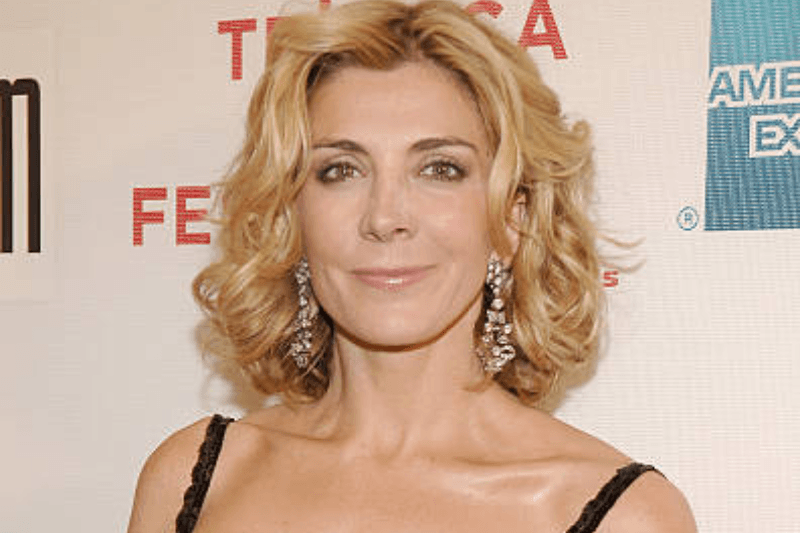
Natasha Richardson Death Anniversary: Revisiting Her Tragic 2009 Skiing Accident Story
Natasha Richardson, the well-known British-American actress, made a lasting impact on stage and screen before her tragic death at 45. On March 16, 2026, we remember 17 years since her fatal skiing accident at Mont Tremblant resort in Quebec, Canada. This story highlights the hidden risks of head injuries.
The Fateful Fall on Beginner’s Slope
During a family ski trip with her husband Liam Neeson and their sons, Richardson took a private lesson on the Nansen beginner’s trail. Around noon, she fell and hit her unprotected head on the hard-packed snow. She laughed it off and joked with her instructor. Initially, she refused medical checks, even though it was against ski patrol protocol. Although there were no visible wounds, this “talk and die” situation covered up an epidural hematoma—a blood clot pressing on her brain from blunt trauma.
Rapid Decline and Heartbreaking End
By 1:10 p.m., she signed a waiver and walked to her hotel. Hours later, she experienced severe headaches. Paramedics took her to a local hospital, then airlifted her to Lenox Hill Hospital in New York City. She fell into a coma and was taken off life support on March 18, 2009. The NYC medical examiner confirmed that she died accidentally from the hematoma.
Legacy and Helmet Awareness Surge
Her passing highlighted the risks of traumatic brain injuries and increased helmet use in skiing. Neeson has honored her through their sons’ interests in acting and activism, reflecting her lively spirit from Nell and The Parent Trap.
FAQs
1. What exactly caused Natasha Richardson’s death?
An epidural hematoma from blunt head impact during a ski fall; she wasn’t wearing a helmet.
2. Why did she decline help right after the accident?
She felt okay, joked about it, and signed a waiver, unaware of the internal bleed.
3. How did her death impact skiing safety?
It popularized helmets and “talk and die” warnings for delayed concussion symptoms.
Summary:
Natasha Richardson died at 45 from an epidural hematoma after a ski fall in Quebec. Initially fine, symptoms hit hours later. Her story raised TBI awareness worldwide.

