Nasdaq Drop Puts America’s AI Boom Under Scrutiny as Tech Stocks Slide
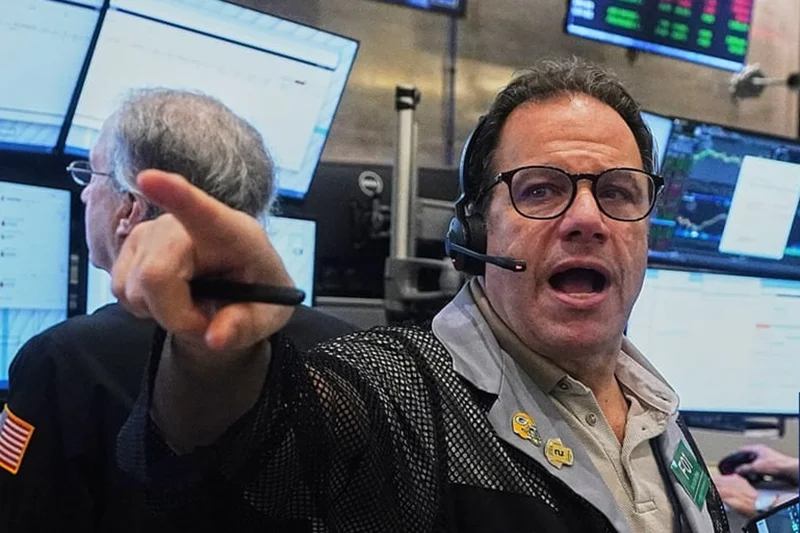
The Nasdaq had its toughest stretch in months last week, and the fall has put America’s AI boom under a harsh spotlight. After a year of strong gains, investors are asking whether artificial intelligence can earn enough to pay for the huge sums being spent on it. The answer matters worldwide, because savers, pension funds and chip suppliers in many countries are linked to these shares.
Why the Nasdaq Fell So Sharply
The slide began on 14 October, when US inflation came in hotter than forecast. Traders quickly expected more interest rate hikes from the Federal Reserve. The Nasdaq Composite closed down 1.88%, its biggest one-day fall since July, and it fell another 2.19% on 16 October.
Higher borrowing costs hit AI firms hardest, because many of them borrow heavily to build data centres. On the day of the inflation report, Oracle lost 8.8%, CoreWeave dropped 15% and Nebius fell 10%. The weekly loss was the sharpest for the Nasdaq since June, and TSMC, the world’s largest advanced chipmaker, added to the gloom by sounding cautious about 2027.
Why AI Spending Is Under Question
Building AI is extremely costly. Research firm Gartner estimates that providers will spend nearly $1 trillion on AI infrastructure in 2026, followed by another $6 trillion between 2027 and 2030. Investors worry that heavily indebted companies may struggle to earn enough to repay their loans.
The gains have also been very narrow. The S&P 500 is still up about 12% this year, yet the typical company in the index has risen only around 6%, and roughly 185 stocks are down for the year. This shows how much of the rise came from a small group of AI names. Some analysts have even warned that the AI boom could end with a final burst of excitement before a larger correction.
This is not a crash yet. Company profits are still expected to grow strongly, and demand for AI tools is real. Anthropic, for example, reported a 45% jump in quarterly revenue, though even that news failed to lift the mood. For now, the next US inflation reading, the Federal Reserve’s rate decision and any clear proof of AI revenue are the signals worth watching.
The protests and power struggles reshaping politics worldwide
Could student protests sway France’s election?
Find out how campus demonstrations are fuelling political tensions ahead of France’s presidential vote.
Why is Trump targeting campus protests?
See how Donald Trump’s remarks have intensified debate over anti-Israel protests at US colleges.
Can the Abraham Accords protect regional stability?
Explore why the future of Middle East stability may depend on preserving the accords.
What’s driving Serbia’s growing unrest?
Uncover how shootings, corruption and violence are stoking tensions across Serbia.
Why are Russians protesting Putin’s mobilisation?
Track down the reasons behind mass anti-war protests following Putin’s mobilisation declaration.