

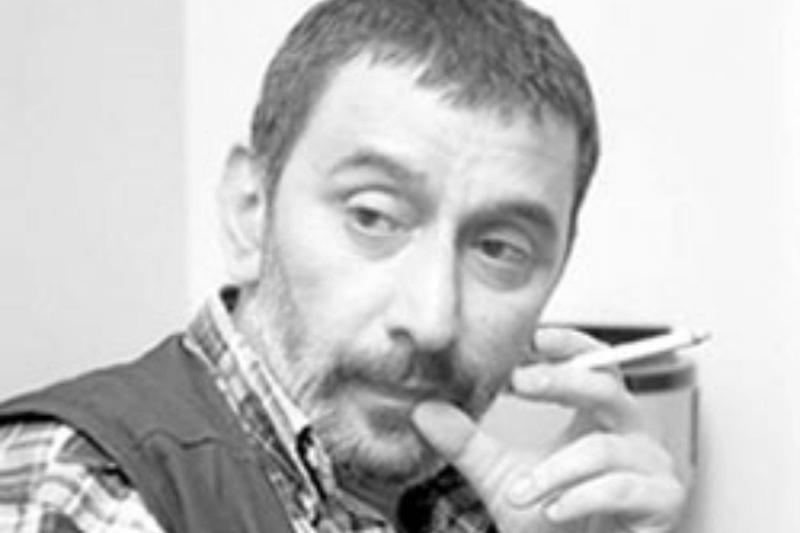
Legendary Lebanese Musician Ziad Rahbani Passes Away at Age 69
The music industry lost Ziad Rahbani, Lebanon’s best-loved composer and playwright, who passed away this Saturday at 69. Arabic-Western genre-bending virtuoso, Lebanese musician, who shaped Lebanese culture for decades, left a rich musical legacy behind.
Ziad Rahbani was born in 1956 near Beirut and was raised in a truly musical family. His mother is Fayrouz, the greatest singer to ever have come from Lebanon, and his father was Assi Rahbani, the greatest composer ever to have come from Lebanon. A Lebanese musician developed exceptional talent from a young age when he composed his first musical piece by the time of 17 years old.
Lebanese composer, playwright and political satirist Ziad Rahbani has died at the age of 69, Lebanese media reported on Saturday.
— KUWAIT TIMES (@kuwaittimesnews) July 26, 2025
Rahbani, the son of iconic singer Fairuz and composer Assi Rahbani, was widely regarded as a pioneering figure in modern Lebanese music and theater.… pic.twitter.com/KIzfVCLmbw
Ziad Rahbani’s Musical Journey and Cultural Impact
During his career, Ziad Rahbani developed a reputation for incorporating classical dressings, jazz, funk, and conventional Lebanese music. He is a Lebanese musician who managed to establish a unique style that most people globally adored. The stories depicted in his music were life in Lebanon, and it was commonly particular about social issues and political problems.
The successful music maker used to collaborate with his mother, Fayrouz, in the 1970s and 1980s. The force that brought about the memorable pieces of songs in Lebanon was associated with them together, such as Ouverture 83 and Bala Wala Chi. These songs revealed the capacity of Ziad Rahbani to compose deep music that could reach the hearts of people.
Ziad Rahbani was not only a musician but also a playwright and political voice. He authored plays and radio programs that ridiculed the issues in Lebanon but also touched on social problems. His drama of “what about tomorrow?” was known to give a frank reflection of life in post-war Beirut.

