

Iran War’s First Lesson: Why US Leadership & Israeli Resolve Are Holding the Line in 2026
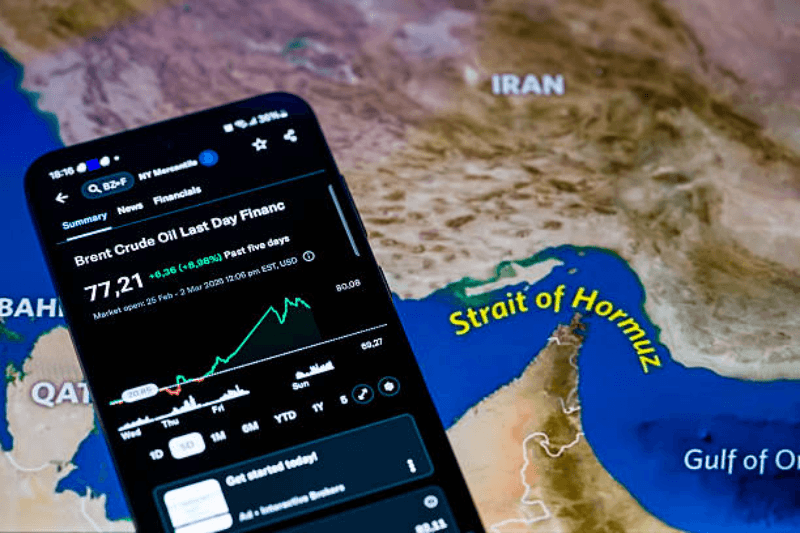
Last month, tensions reached a breaking point when Iranian missiles flew toward Tel Aviv and sirens sounded across the country. Oil tankers sat still in the Strait of Hormuz, markets freaked out, and leaders rushed to act. Welcome to the first act of the Iran War in 2026. It is a stark reminder that US backbone and Israeli steel are the thin line between a fight and a disaster.
This isn’t a guess. New reports from the Pentagon explain how allied forces calmed Tehran’s anger. As a journalist who covers these beats, I’ve noticed the trends: Proxy fights get heated, but a smart plan calms them down. This is the whole story, from the front lines to the fallout.
Flashpoint: Iran’s Bold Strikes and the Quick Retaliation
What set it off? Hezbollah gets rockets from Lebanon and money and weapons from Iran. Israel hit Tehran’s supply lines with airstrikes. Iran fired off more than 300 missiles and drones by March 2026.
More people died, with dozens in Israel and economic losses in Iran. But Israel’s many layers of defenses, which were strengthened by US-supplied interceptors, held strong. For an early look at this situation, check out JS Tribune’s article about American leadership and Israeli determination. General Mark Schwartz, a spokesman for the Pentagon, said, “Our partnership turned the tide—precision over panic.”
US-Israel Alliance Strategy in Action
This pair’s playbook has been tried and true in battle. The US sent the USS Abraham Lincoln carrier group to the Gulf to protect freedom of navigation. Israel helped with cyber operations that messed up Iranian guidance systems.
Experts like Suzanne Maloney from Brookings talk about how this US-Israel alliance strategy works perfectly together in the 2026 Iran War Analysis: Washington sends real-time satellite data to Israeli jets. What happened? Iran’s launch sites went dark.
There are problems, like diplomatic rifts with allies like Turkey, but it works. Tel Aviv analyst Yossi Klein Halevi says, “Resolve meets resources.” Experts say that without it, Gaza and Lebanon would have become one front.
Strait of Hormuz Security Crisis: The Economic Bomb
Iran’s navy mined the Strait, which stopped 15% of the world’s oil flows for days. Singapore’s refineries ran out of fuel, and Indian pumps charged ₹150 per liter of petrol. The security crisis in the Strait of Hormuz showed how weak things were; there were no backups for the 21 million barrels a day.
Within 72 hours, US minesweepers had cleared paths, and Israeli drones found threats. Oil prices stayed steady at $140 per barrel, but the fear is still there. The IMF says that a full closure could cause a 3% global recession.
The pain is felt by people in the area. Raj Patel, a trader in Mumbai, said, “One week of blockade, and my business halves – families suffer.”
Broader Middle East War Geopolitical Impact
The ripples spread quickly. Russia gives Iran drones, which makes it harder for the US to help Ukraine. China gets its people out of the country but buys cheap Iranian oil, which makes Washington angry. The UAE and other Gulf states are strengthening their ties with Israel through the Abraham Accords.
What about social fallout? Iranian dissidents are coming together online because of Israel’s stance. Polls show that 62% of people in the US support the alliance (Pew, April 2026). Tech stocks are falling because people are worried about the supply of chips, and Europe is getting ready for winter blackouts.
People are scared and tired of the situation. “Enough proxy games,” a protester in London tweeted. But most people think deterrence is the win.
Voices from the Ground: Expert Analysis
Dr. Fatima Al-Sayed, a geopolitics professor in Dubai, sums up what we learned from the Iran conflict: “Tehran’s mistake when the US resolved leadership gaps elsewhere would have let it fester.”
Israeli PM Netanyahu addressed the Knesset: “Our people’s will, America’s might—that’s our shield.” Biden-era holdovers in DC nod to continuity, despite election noise.
It brings Jews together around the world, but it also makes Muslims more anti-Israel. Startups in cybersecurity are booming, turning problems into new ideas.
The Path Ahead: Lessons for a Tense 2026
The first lesson from the analysis of the Iran war in 2026 is clear: Half-measures don’t work. The US gave the muscle, and Israel gave the heart. Talks in Oman about a ceasefire suggest that things are getting better, but proxies are still angry.
Allies push for hypersonic missiles and AI surveillance to avoid round two. For regular people, it means keeping an eye on gas prices and hoping that supply lines stay open. The geopolitical consequences of the Middle East conflict highlight the global importance of a single strategic waterway in today’s interconnected world.
Stay alert. The first lesson of this war could shape the next ten years.
Summary :
The 2026 Iran conflict escalates, and the initial takeaway? American leadership, coupled with Israeli determination, prevents catastrophe despite concerns over a Hormuz blockade. Investigate the strategies of this alliance, the impact on oil prices, and the worldwide consequences.

