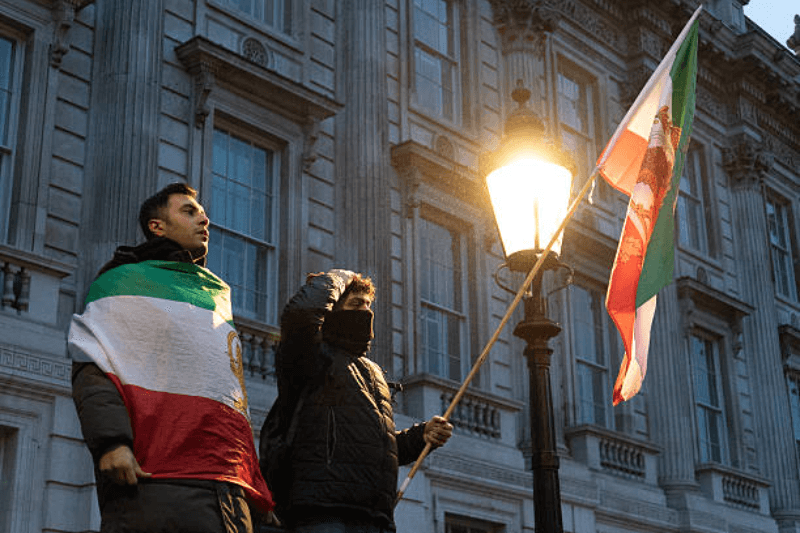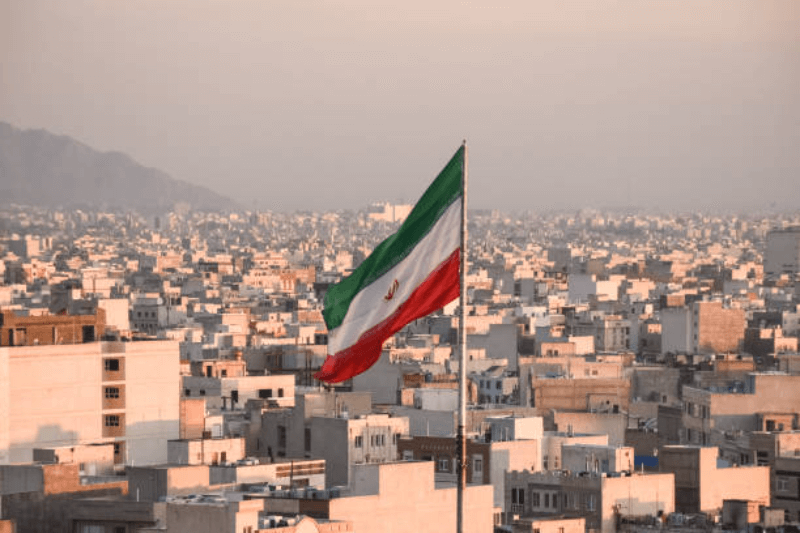
Iran Protests Enter Sixth Day as Economic Crisis and Political Repression Spark Nationwide Unrest
It is the sixth day of the Iranian protests that have demonstrated a growing crisis in the country as a result of economic distress and oppression by other nations. What began as modest demonstrations in the neighborhoods against inflation and unemployment is now a countrywide riot in a number of cities. Students, laborers and civil societies are complaining about the increase in costs and diminishing income and limited rights to individuals. The perpetuities of the Iranian protests are an indication that frustration among the people must be at a critical point. As the security forces become tighter, the analysts caution that the unrest is a deeper structural problem that stretches way beyond immediate economic strains.
Economic Hardship Continues to Fuel Iran Protests
The aggravating economic situation is one of the key determinants of the continuing Iranian protests. The inflation has gone wild, and one can no longer afford basic items like food, fuel, and shelter. The erosion of purchasing power has brought most households to a crossroads to afford daily life, as unemployment rates, especially among the youth, are on the rise.
Sanctions have also contributed to the extra burden imposed by curtailing the inflow of foreign investment and access to international markets. The protesters blame bad economic management, corruption, and lack of transparency, in addition to the external pressures, for worsening the situation. In a number of cities, it is not just about the increase in prices but also perceived inequality that people are angry about, as the protesters can accuse the political and economic elites of keeping themselves safe and out of harm. The continued protests in Iran up to the sixth day demonstrate how economic issues have been rooted.
Political Repression Deepens Public Anger
Another significant factor that has continued to fuel the Iranian protests is political repression. People are now speaking up more on the issue of the prohibition of free expression, curbing of group gatherings, and arrest of activists and journalists. According to the reports by the rights organizations, there have been increased security movements and the blockage of the internet at intervals to suppress communication and organization of protests.
Higher institutions of learning have turned out to be a source of chaos, and students have been at the forefront in organizing protests. Protests have been maintained even after warnings and arrests, which suggests a change in the social attitude where fear cannot be used anymore as an effective preventive measure. The observers remark that the current protests in Iran are a mixture of economic disappointment and general requests for reforming the economy and holding the government accountable. The reaction of the government, either the dialogue or the increased enforcement, will most probably define the further development of the unrest.
The Iranian protests that have lasted more than six days have demonstrated that the society is going through a crisis of its past economic and political problems. The next few weeks can turn out to be decisive in determining how stable the country will be internally.