

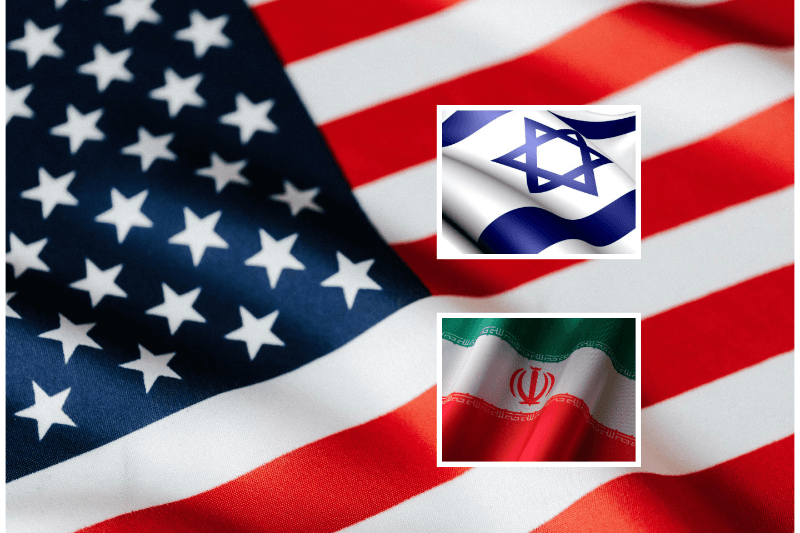
Iran Israel War Escalation: Iran’s Gulf Strikes Test US Alliances and Abraham Accords
The Iran-Israel conflict is now in its third week with US involvement and has spread beyond borders. Iran launched missile and drone attacks on the UAE and Bahrain, both key US allies. These attacks targeted airports, energy facilities, and desalination plants. Civilian casualties are rising as Tehran sends a frightening message: Normalize ties with Israel and face the consequences. This is not just war; it is a direct challenge to US credibility. Listen to the full podcast breakdown here.
What’s Happening in the Iran-US-Israel Conflict Right Now
Picture a powder keg igniting across the Middle East. Iran’s strikes mark a sharp escalation from proxy battles to direct hits on Gulf infrastructure. Airports grind to a halt, power plants flicker, and freshwater from desalination plants, vital for arid nations, gets disrupted. Reports confirm civilian deaths, turning strategic targets into humanitarian crises. This follows weeks of back-and-forth: Israel and the US strike Iranian assets, and Tehran retaliates regionally. Gulf states like the UAE and Bahrain, comfortable under US security, never expected missiles to land on their soil. It’s week three, and the war map is widening quickly.
How Iran’s Escalation Targets Abraham Accords Peace Deals
Iran’s strategy shows clear intent. The UAE and Bahrain joined the Abraham Accords in 2020, normalizing relations with Israel in a historic US-brokered deal. Tehran sees this as a betrayal and calls it “peace with consequences.”
- Direct punishment: Missiles hit Accords signatories, sparing others.
- Symbolic warfare: Attacks on civilian life (airports for travel, desalination for survival) aim to erode public support for normalization.
- Broader signal: “Choose Israel, lose stability,” Iran broadcasts, testing if diplomacy survives real bombs.
The Accords promised economic growth and security. Now, they face a tough test. To give some background, these deals changed Arab-Israeli relations from enemies to partners. That was until Iran’s drones showed up.
Why UAE and Bahrain Face Iran’s Wrath in This War
UAE and Bahrain aren’t random choices. They signed the Abraham Accords, hosting US bases and depending on American protection. Iran views them as “traitors” for supporting Israel. Strikes disrupt daily life. No flights leave citizens stranded, blackouts affect homes, and water shortages are on the horizon. This is economic sabotage disguised as retaliation. The rising casualties increase anger and pressure Gulf leaders to reconsider their ties to the US.
US Security Guarantees Under Fire: Will America Step Up?
Gulf nations didn’t sign the Accords without understanding they relied on US defense agreements. Now that bases are under attack, the question looms: Will Washington defend them? On Capitol Hill, Senator Chris Coons is asking for briefings on:
- US response plans.
- Risks to American troops.
- Ally protection strategies.
Hesitation could weaken deterrence. If allies suffer while the US stands by, who will trust future promises? This challenges the commitments made during the Biden era, or by a future leader, in a multi-front war.
Abraham Accords Under Real Stress: Can Normalization Survive?
Born in 2020, the Accords linked Israel with UAE, Bahrain, Morocco, and Sudan—bypassing Palestinians for pragmatic peace. Tech deals, tourism, and trade flourished.
Iran’s actions changed the situation:
- Durability check: Can economic ties withstand missiles?
- Ripple effects: Other Arab states, like Saudi Arabia, may pause normalization.
- US role pivotal: A strong response reinforces the Accords; weakness unravels them.
It’s diplomacy versus destruction; peace is punished in real time.
What Iran Gulf Strikes Mean for Regional Stability
This doesn’t contain chaos; it’s a widening storm. Iran’s regional push:
- Proxy to direct: From Yemen militias to UAE drones.
- Economic chokeholds: Energy and water hits spike prices globally.
- Alliance fractures: Gulf states may seek new protectors, such as Russia or China.
Stability hangs by US resolve. A hesitant America risks a “Gulf domino” effect, pulling in more players.
FAQ
1. Why are UAE and Bahrain being targeted by Iran?
Iran targets them for Abraham Accords normalization with Israel, viewing it as betrayal. Strikes hit infrastructure to punish “peace” and pressure reversal.
2. What role does the US play in defending Gulf allies?
The US provides security guarantees via pacts and bases. Lawmakers like Chris Coons push for clarity on responses, troop risks, and ally aid amid attacks.
3. Is the Abraham Accords deal collapsing?
Not yet, but under severe test. Iran’s “consequences” for signatories challenge durability; US action will decide if normalization endures.
4. How has the Iran-US-Israel war escalated to Gulf states?
Week 3 saw direct Iranian missiles/drones after US-Israel strikes. Civilian sites targeted to widen conflict and test alliances.
5. What are the risks to regional stability from these strikes?
Wider war, economic shocks (energy/water), fractured US ties, and potential new entrants like Saudi Arabia rethinking peace.
Summary:
As the war involving Iran, Israel, and the US enters its third week, tensions are spilling into the Gulf. Iran’s missile and drone attacks on the UAE and Bahrain have hit critical infrastructure and raised serious questions about US support. With the Abraham Accords now under real strain, the situation is testing alliances, stability, and political will in Washington.

