Batons, Bullets and Blackouts: Iran’s Violent Push to Silence a Rising Revolt
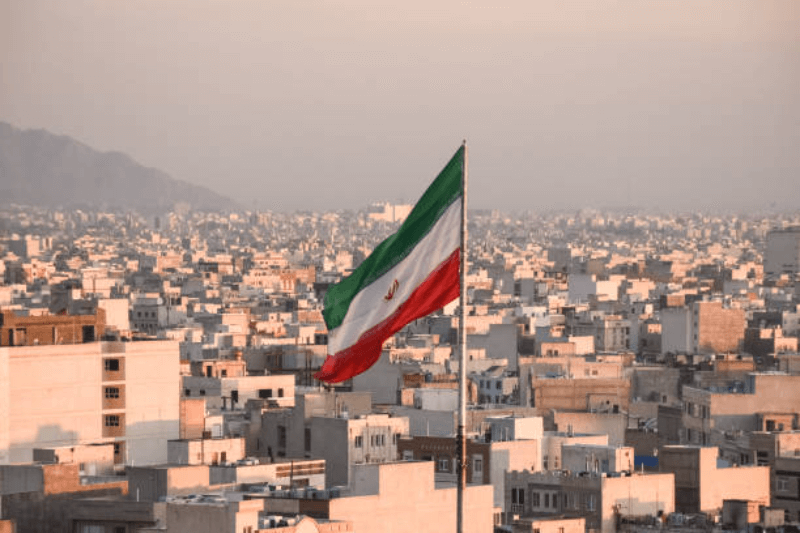
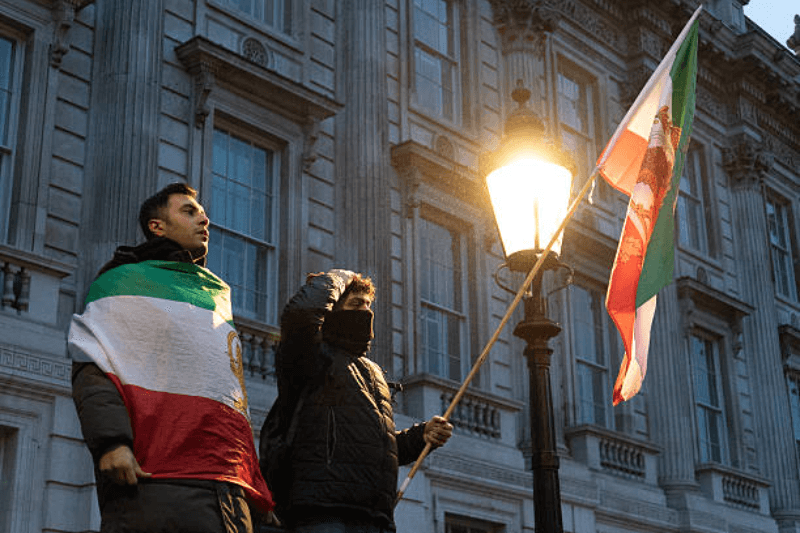
Nationwide protests are growing tighter, forcing Iran to tighten its grip over the nation from 2022-23, which is the most challenging for clerical rule. What started as an expression of anger due to skyrocketing inflation and power cuts has now changed into outright calls for the ousting of the Supreme Leader, Ayatollah Ali Khamenei, with some protesters calling for the restoration of the Pahlavi monarchy.
The enlistment against demonstrators has been met with deadly force, mass arrests, and an almost complete internet blackout that started January 8, with the extent of repression largely unseen. At least 538 deaths are reported by human rights groups, with the majority being protesters. The attorney general of Iran has threatened to treat demonstrators as “enemies of god”, the offence punishable by death.
When a regime is arguing over body counts instead of answers, you already know the situation is off the rails
— ghøst (@decenterghost) January 11, 2026
TIME is passing along a Tehran doctor talking about 217 dead protesters across six hospitals, Reuters has HRANA putting the nationwide toll north of 500 for the whole… pic.twitter.com/Afy0cnE3TA
The tensions have overflowed outside of Iran. Tehran has warned that it would respond to any US military intervention, and Washington has responded by showing apprehension regarding the killings. President Donald Trump indicated that the Iranian leaders had contacted him with requests to discuss something, despite the warnings of the US bases, shipping, and Israel, as mentioned by the parliament.