

How Climate Change Is Quietly Redrawing the World Map
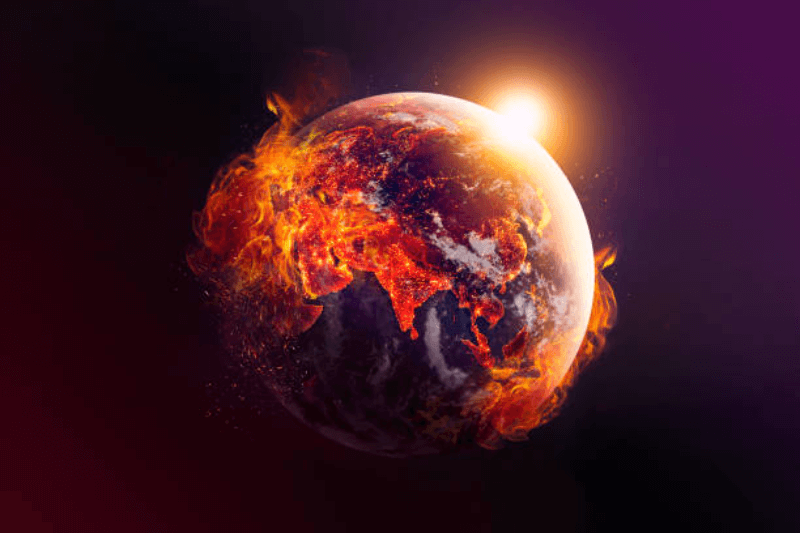
Climate change is a phenomenon that significantly transforms the geographical features of the Earth and its impacts usually go unnoticed by the layman. The high temperatures, the melting of the ice caps, and the rise of the oceans are all events taking place concurrently all over the planet. The World Meteorological Organization says that 2025 will probably not only be one of the hottest years in history but also that the Arctic ice will be the least in quantity so far. The changes brought about by climate change affect the entire planet in a way that new human settlements, economic zones, and international borders are created without anybody noticing. The world map is gradually being redrawn, and the existing geopolitical and environmental norms are being challenged.
Rising Temperatures and Melting Ice
One of the main reasons why there is a change in the Earth’s geography is that human activities are the major contributors to global warming, and this has led to ice melting on a large scale of about 1.4°C. The year 2025 marked the lowest sea ice minimum in the Arctic and as a consequence the ocean surface was exposed to more sunlight, and this allowed for further warming. Besides, the melting of glaciers is not only contributing to the rising of oceans but also low-lying areas coastal regions and island nations are under the threat of getting submerged and having floods more often getting worse.
Sea-Level Rise and Coastal Impact
The increase in the global sea level has doubled in the past few decades and now it is around 4.1 millimeters per year. The higher oceans make the storms stronger and the shore erosion increases hence people are displaced, and the infrastructures suffer worldwide. Furthermore, some island countries will end up having their territories diminished or wiped out entirely, giving rise to climate migration and complex legal issues regarding the claim on the land.
Shifting Weather Patterns and Disasters
Climate change is a leading factor behind extreme weather events like hurricanes, floods, and heatwaves that happen more often and with increased strength thus affecting the availability of food and water, and the health of the population. As a result of these changes, economic losses, and problems of a massive scale arise, leading governments to rethink the whole concept of urban planning and disaster measures preparedness.
Geopolitical and Environmental Challenges
The retreating glaciers and melting icecaps alter the freshwater supplies of the countries thus making their negotiation for sharing of water sources very difficult. Also, the changing of maritime borders due to the shifting of coastlines and the distribution of natural resources lead to conflicts over fishing, oil, and mineral access.
Looking Ahead: Adaptation and Resilience
The international cooperation is a must to be able to cope with these transformations. Some of the methods are constructing climate-resistant facilities, where natural resources are and helping the weak groups of people. The right climate mapping and data can serve as the guiding light to the policymakers in their efforts to foresee changes and devise a plan for a sustainable future.

