

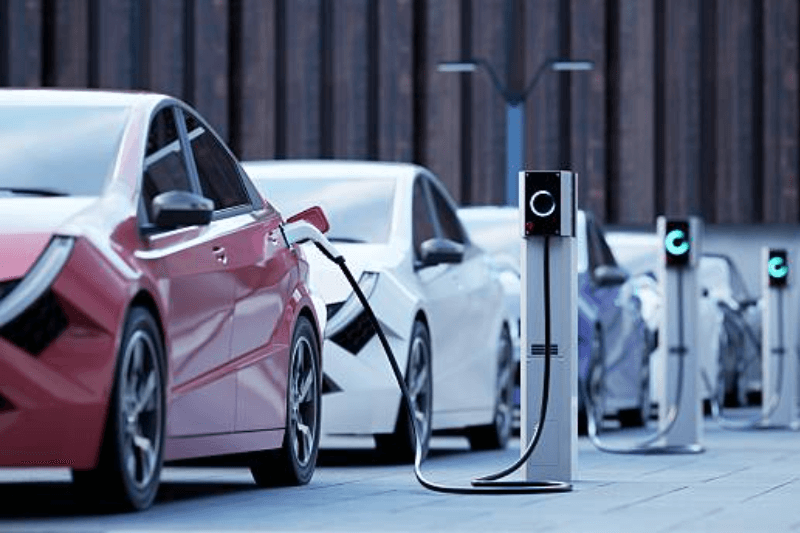
How and Why Electric Vehicles Are Becoming Shockingly Affordable
The transition of the automotive world to green energy is also becoming more financially sustainable. The trend of electric vehicle (EV) prices plummeting has been quite a surprise to most people; thus, what was once a luxurious purchase is now gradually becoming accessible to the general public. We reveal here the unexpected factors that make EVs affordable and how this change can revolutionise the car industry.
Economies of Scale: More EVs, Lower Costs
The cost of one EV is going down due to the increased production of EVs by car manufacturers. The mass production of goods from a factory allows the company to share the fixed costs between more units, thus making EVs more affordable.
Battery Breakthroughs: The Heart of the Price Drop
One of the major factors: more affordable batteries. What is a lithium-ion battery if not its cost? When lithium-ion battery costs are lowered as a result of raw material costs dropping and production improvements, battery packs become the price factor for EVs. The announcement says that battery pack costs could be as low as $115 for one kWh.
Manufacturing Innovation: Smarter, Faster, Cheaper
Developers are turning to newer factory techniques for help—one of these is gigacasting, a method used by Tesla, which fastens the assembly line by merging large single-piece components through the formation process. The changes lower both labour and material costs.
Localisation & Supply Chains: Closer to Home
For example, Hyundai is producing batteries locally and is sourcing the major components from local suppliers, so as to cut down on import costs, logistics expenses, and foreign-exchange exposure. The effects of these strategies in such markets as India are that EVs become more competitive on price.
Policy Support: Governments Pushing Prices Down
Governments are providing EV users, among other things, easy-to-get incentives–tax credits, customs duty relief, and government grants–in order to facilitate EV dissemination. Customers of these policies thus get to purchase the car at a much lower price than usual. Furthermore, OEMs receive the incentive to price their products more fiercely due to such a situation.
Ownership Cost Advantages: Savings Over Time
While the sticker price of EVs may still be high, the total cost of ownership usually plays out in favor of EVs. They are less demanding in terms of maintenance, and it is commonly electricity that costs less than fuel. Thus in a wide range of markets today, the five-year ownership cost of EVs is lower than that of the comparable internal combustion engine (ICE) cars.
Competitive Pricing & Market Pressure
Among the strategies that Tesla employs in their competition to be the leader in EV market is cutting the price of their products drastically, which makes the rest of the car manufacturers to react to Tesla by doing the same. At the same time, Chinese EV giants are churning out good-quality vehicles at a lower cost of production, thus becoming a fierce challenger in the price war that is going on globally.
Looking Ahead: When Price Parity Will Come
The research conducted through a collaborative study by Bloomberg, Transport, and Environment indicates that the prices of electric sedans will become equal to those of gasoline/diesel cars by 2026, whereas smaller EVs might reach parity in 2027. Moreover, some forecasts predict that the EV production cost will be less than that of ICE cars as soon as 2027.
Conclusion
Besides the environmental aspect, the electric vehicle revolution is, in fact, more about the accessibility of such sustainable means of transportation. These days, it seems as though it is seldom that we hear of EVs featuring higher prices thanks to improved designs, economies of scale, better batteries, and strong policy support. This lowering of the price could be the moment that electric vehicles are not only the future but also the affordable present.

