

Houthis Seize Strategic Yemeni Island in Bab el-Mandeb as Control of Key Shipping Route Raises Global Trade Fears
There’s a small, dusty volcanic island near the mouth of the Red Sea that most people have never heard of. Until this week, it was mostly a footnote in shipping charts. Now it might be the reason your next grocery bill or gas fill-up gets a little more expensive.
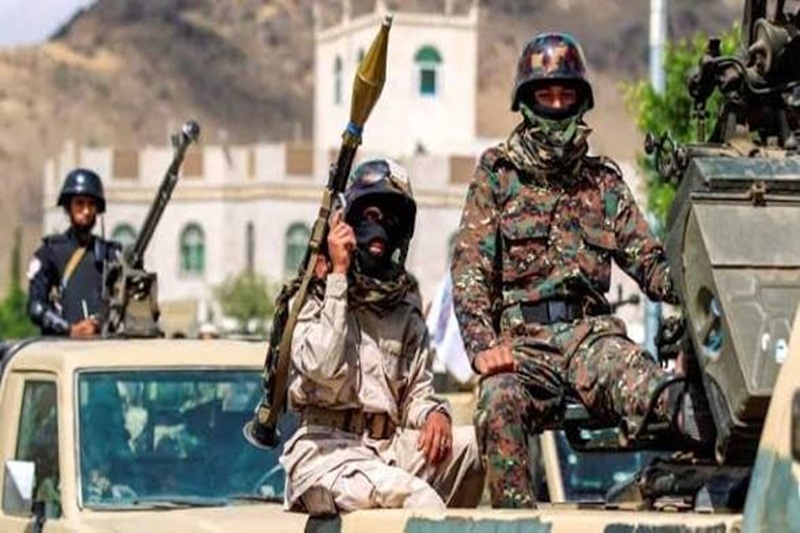
Houthi fighters have taken control of Perim Island also called Mayyun Island sitting right in the Bab el-Mandeb Strait off Yemen’s coast. Government forces reportedly pulled out before the Houthis arrived, handing the Iran-aligned group a foothold at one of the tightest and most important chokepoints in world trade.
Why a Speck of Rock Matters So Much
Perim isn’t large or particularly valuable on its own. What matters is geography. It sits exactly at the narrowest point of the Bab el-Mandeb, splitting the strait into two navigable channels. Every ship moving between the Red Sea and the Gulf of Aden and from there, into the Arabian Sea and the wider Indian Ocean passes close by it. That’s the route most cargo ships take when travelling between Asia and Europe via the Suez Canal. Whoever controls the ground around that channel has real influence over what does, and doesn’t, get through.
How We Got Here
This didn’t happen in isolation. Houthi forces have been pushing along Yemen’s Red Sea coastline for a while now, recently taking the port city of Mokha and pressing into Dhubab, which overlooks the strait itself. Other islands nearby have reportedly fallen under their control as well.
Yemeni government sources told Reuters that troops withdrew from Perim shortly before Houthi fighters landed by boat. It’s worth noting, though, that seizing the island isn’t the same as shutting down the strait entirely and as of this reporting, the Houthis hadn’t even issued an official statement claiming full control of the waterway. Al Jazeera flagged that gap directly.
The Shipping Industry Has Been Here Before
If this feels familiar, it’s because it is. Since late 2023, repeated Houthi attacks on commercial vessels have already driven a lot of shipping traffic away from the Red Sea entirely, pushing companies toward the much longer route around Africa’s Cape of Good Hope. At the peak of that earlier campaign, traffic through Bab el-Mandeb reportedly dropped by around 60%, according to the AP. Now there’s real concern about a repeat or worse. More disruption here typically means higher insurance costs, longer transit times, and pricier freight, and those costs have a habit of trickling down to ordinary consumers through fuel prices and the cost of manufactured goods. Energy markets in particular are on edge. Reuters reported oil prices creeping toward the $100-a-barrel mark as fears build over disruptions across the wider region.
What Else Is Making Headlines?
What Made Diana’s Dress So Iconic?
Check out the story behind Princess Diana’s famous Revenge Dress and its upcoming Sotheby’s auction.
Why Is California Restricting Social Media?
Find out how California’s new law targets addictive social media features for children under 16.
Why Does UN Reform Matter at BRICS?
Uncover why António Guterres is highlighting Security Council reform and multilateralism at BRICS 2026.
How Is BRICS Reshaping Global Trade?
Explore how the expanded 11-nation BRICS bloc is transforming global trade and economic cooperation.
Why Is Britain Obsessed With Bayeux?
Experience the Bayeux Tapestry exhibition in London as renewed public fascination sweeps across Britain.
Part of a Bigger Picture
None of this is happening in a vacuum. It’s unfolding alongside a broader standoff involving Iran, the United States, and Gulf states, one that already includes serious disruption at the Strait of Hormuz. If Iran-aligned forces effectively control a second major maritime chokepoint, that’s meaningful leverage over global energy flows, and analysts have been saying as much. For Yemen itself, the stakes are arguably even higher. The country has lived under a fragile ceasefire since 2022 that kept large-scale fighting mostly at bay. These latest advances and the counterattacks they’re provoking from government-aligned forces are stirring real fear that the wider war could reignite.
What Happens Next
The honest answer is nobody knows yet. The open question is whether the Houthis will use their new position on Perim to actively restrict shipping, or whether vessels will keep moving through the strait more or less as before. Either way, one of the most important trade arteries on the planet is under pressure again and the world is watching to see which way it breaks.
FAQs
What island did the Houthis seize?
The Houthis reportedly seized Perim Island, also known as Mayyun Island, in Yemen’s Bab el-Mandeb Strait.
Why is Perim Island strategically important?
Perim sits in the narrowest section of the Bab el-Mandeb and divides the strait’s shipping lanes, giving whoever controls it an important strategic position.
Why is the Bab el-Mandeb important to global trade?
The strait connects the Red Sea with the Gulf of Aden and forms a key maritime route between Europe and Asia through the Suez Canal.

