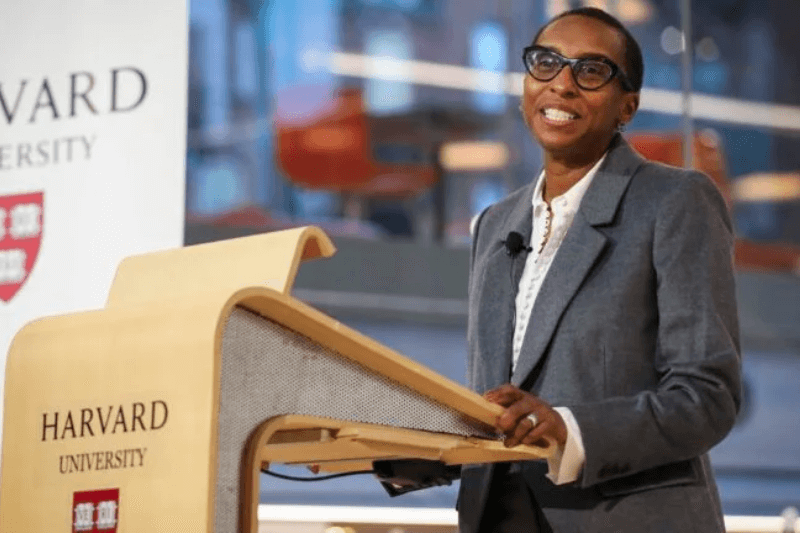
Harvard Unveiled: Cultural Crossroads Post-Gay’s Resignation
Harvard University finds itself at a crossroads, grappling with internal strife and external scrutiny in the wake of President Claudine Gay’s abrupt resignation. The fallout from allegations of plagiarism and mishandling antisemitism has brought to light what some describe as a ‘cultural rot’ within the prestigious institution. As advocates for Jewish students call for a cleansing of this cultural decay, the university is thrust into a pivotal moment of introspection and transformation.
Unpacking the Scandal: Plagiarism and Antisemitism at Harvard
The Scandal Unveiled
President Gay’s resignation, fueled by accusations of plagiarism and her handling of antisemitism, sent shockwaves through the academic community. The timing, amid the Israel-Hamas conflict, added layers of complexity to the controversies.
Harvard, renowned for its academic excellence, faced a credibility crisis as Gay battled accusations of plagiarizing nearly 20 authors in her academic papers, including her doctoral dissertation. Harvard student Charlie Covit emphasized that addressing plagiarism is essential, but it must not overshadow the gravity of antisemitism on campus.
Antisemitism on Campus
The U.S. Department of Education’s Office for Civil Rights launched an investigation into alleged antisemitism at Harvard in November. Die-ins and anti-Israel protests on campus further underscored the deep-seated cultural issues that demand urgent attention.
Leadership in Transition: From Gay to Garber
Gay’s Shortest Tenure
Gay’s resignation marked the shortest presidential tenure in Harvard’s history, lasting only six months and two days. This departure highlighted the urgency of addressing the multifaceted challenges faced by the university.
Keep Reading
Interim Leadership
Provost Alan M. Garber steps in as interim president, tasked with navigating the university through these turbulent times. The choice of interim leadership is a critical step in the journey towards reform.
Congressional Confrontation and Accountability
Congressional Grilling
President Gay, alongside counterparts from UPenn and MIT, faced intense scrutiny from lawmakers regarding their handling of antisemitism on their respective campuses. The questioning delved into the heart of the matter, probing the presidents on issues of genocide and institutional conduct.
Confronting Antisemitic Rhetoric
Gay’s responses to questions about antisemitic conduct sparked outrage. Calls for her resignation reverberated as critics argued that her answers were unacceptable and reflected a deeper cultural malaise at Harvard.
Looking Ahead: Rebuilding Harvard’s Reputation
Addressing Cultural Decay
The Israel On Campus Coalition (ICC) advocates for a thorough cleansing of what they term “cultural rot” at Harvard. CEO Jacob Baime stresses the need for the next leader to not only rectify plagiarism issues but also to tackle the underlying moral and cultural challenges.
Student Activism and Advocacy
Harvard students demand a president who prioritizes the concerns of the Jewish community and actively combats antisemitism. The resignation of Gay and subsequent calls for change highlight the power of student activism in shaping the university’s narrative.
Conclusion: A Turning Point for Harvard
Harvard stands at a historic juncture, where the choices made in the aftermath of President Gay’s resignation will define the university’s future. As the institution grapples with allegations of plagiarism, antisemitism, and a perceived cultural rot, the path forward necessitates decisive action, transparent leadership, and a commitment to fostering an inclusive and respectful academic environment.