

Why Guinness Calories Surprise Beer Lovers Everywhere?
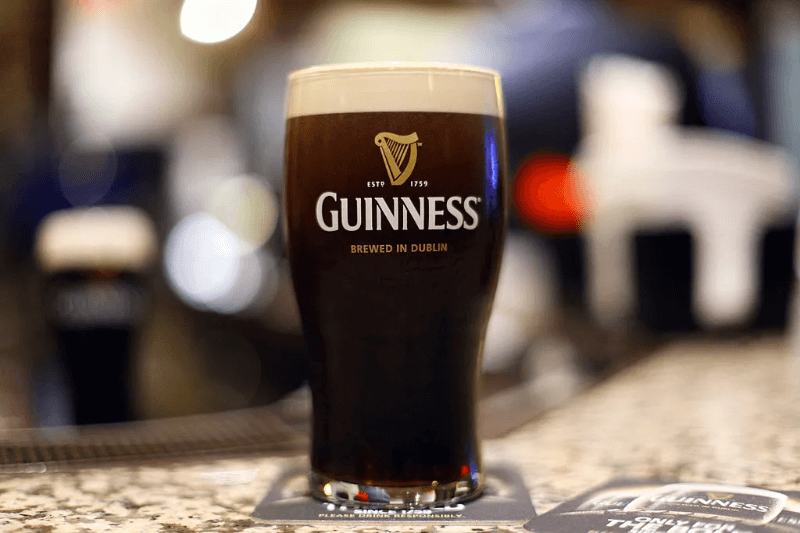
The iconic Irish stout, which has never been in short supply of topics for benign conversing about health benefits, has been hiding an unusual caloric secret that might change things for you the next time you aim to order a pint. New research in brewing science reveals a few startling facts about Guinness calories that might just shatter any assumptions you’ve ever made about dark beer.
Do Guinness Calories Make It Healthier Than Light Beer?
Contrary to widespread belief, Guinness beer has fewer calories than many other mainstream beers. A serving measurement of 12 ounces contains 125 calories, fewer than 145 calories for Bud and 142 calories for Heineken. This unexpected comparison owes to Guinness having a lower alcohol concentration of only 4.2% versus the typical 5% of alcohol in beers.
The lower Guinness Calories come from the fact that alcohol forms most of the calories in the beer. Creamy texture usually suggests indulgence, but this famous stout carries fewer calories per serving than most leading beers. In the same serving size, Samuel Adams Cream Stout contains 189 calories.
What Makes Guinness Calories Different From Other Stouts?
Scientists from UC Davis have been able to prove that Guinness contains unique nutritious ingredients notwithstanding its slight caloric density. The beer offers the most significant amount of folate among imported beers tested, about 12.8 micrograms per serving, which is 3.2 percent of the recommended daily allowance.
The barley is unmalted in Guinness, which raises the fiber content against malted grains used for conventional brewing. This choice of ingredient affects assumptions about Guinness calories, but it is also good for antioxidants, B vitamins to some extent, and silicon, minerals that is thought to be helpful for bone health.
Can Low Guinness Calories Justify Regular Consumption?
In the contemporary medical community, it is stated that, notwithstanding nutritious Guinness calories, the beverage is still alcoholic and inherently at a health risk. Throughout the history of marketing, health claims were associated with it, although the Diageo group that controls Guinness has renounced those claims and instead now promotes responsible drinking initiatives.
Local moderators usually recommend moderate drinking: for legal reasons, two drinks a day for men and one for women at most. However, pregnant women and nursing mothers are encouraged not to take alcohol at all, contrary to what used to be with case when doctors once endorsed Guinness for their expectant mothers.
Why Do Guinness Calories Feel More Filling Than Other Beers?
The intricacy of the nitrogen-infusion process explains the more substantial feeling Guinness calories have, in comparison to the calories of the usual light beers. Nitrogen gas helps in maintaining small bubbles that add to mouthfeel, and long-lasting, experienced satisfaction remains contrary to the actual calories drunk.
Besides, special dispensing taps are fitted with an array of eleven different nozzles to emphasize Guinness’s flavors and textures. This engineering breakthrough deceives the senses into perceiving the weightier feel of the drink, whereas Guinness calories carry off rather well in comparison to other beers of similar strength.
Should Health-Conscious Drinkers Choose Guinness for Its Calories?
Nutritionists discourage the selection of an alcoholic beverage just based on its calorie count. Guinness calories remain far lower than most other options; yet they come with basic alcohol-health risks, including possible addiction, damage to the liver, and increased chances of cancer, especially in the female gender.
If you’re watching your calories, you might find yourself curious about the calorie count in Guinness. However, health experts are quick to remind us that no alcoholic drink should ever be labeled as a health food. The nutritional makeup of this iconic stout is more of a fascinating brewing achievement than a green light from a health perspective.

