Global Recognition of Palestine: A Growing Movement for Statehood in 2025
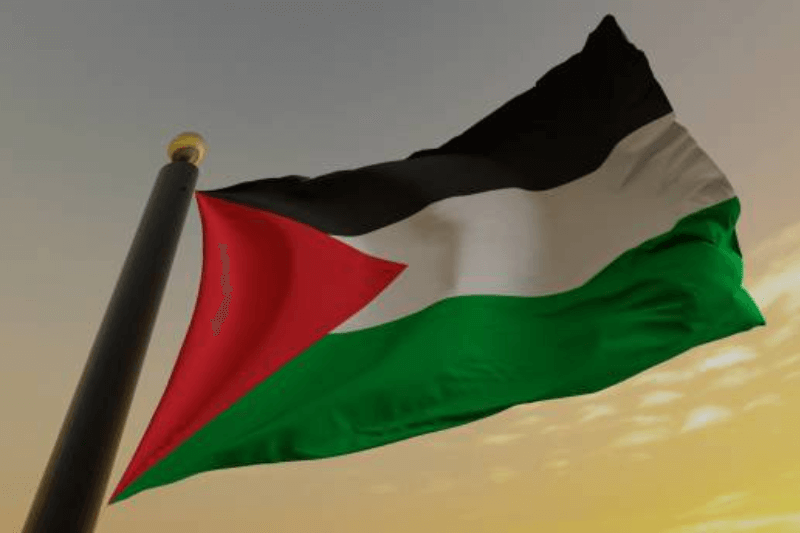
In recent decades, the international community has been sharply divided over the question of Palestine’s statehood. As of 2025, more than two-thirds of the world’s nations recognize Palestine as a sovereign state, while some continue to withhold formal recognition due to political, strategic, or diplomatic considerations. A new wave of recognition in 2024 and the anticipated decisions from several Western nations in September 2025 mark a significant shift in the global diplomatic landscape.
This article provides a comprehensive breakdown of countries that recognize the State of Palestine, those that do not, and those with pending decisions. Additionally, it explores the implications of recognition for Palestine and its people.
What Does Statehood Recognition Mean for Palestine?
Recognition of statehood is more than a symbolic gesture; it carries legal, diplomatic, and geopolitical weight. For Palestine, being recognized as a state implies the right to self-determination, the ability to enter into treaties, and representation in international organizations such as the United Nations.
State recognition strengthens Palestine’s claim to sovereignty over the territories of the West Bank, East Jerusalem, and Gaza Strip. It also amplifies international pressure on Israel regarding its occupation of these territories and facilitates greater international support for Palestinian rights, development, and aid.
For many countries, recognizing Palestine also represents a political statement ,a stance on the Israeli-Palestinian conflict and the broader struggle for a two-state solution.
Countries That Recognize the State of Palestine (as of 2025)
As of 2025, 139 countries officially recognize Palestine as an independent state. These countries span Africa, Asia, Latin America, and parts of Europe and Oceania. Recognition peaked initially in 1988, following the Palestinian Declaration of Independence, and again in 2011 and 2024 with renewed global attention to the conflict.
Recognizing Countries (by Region):
Africa:
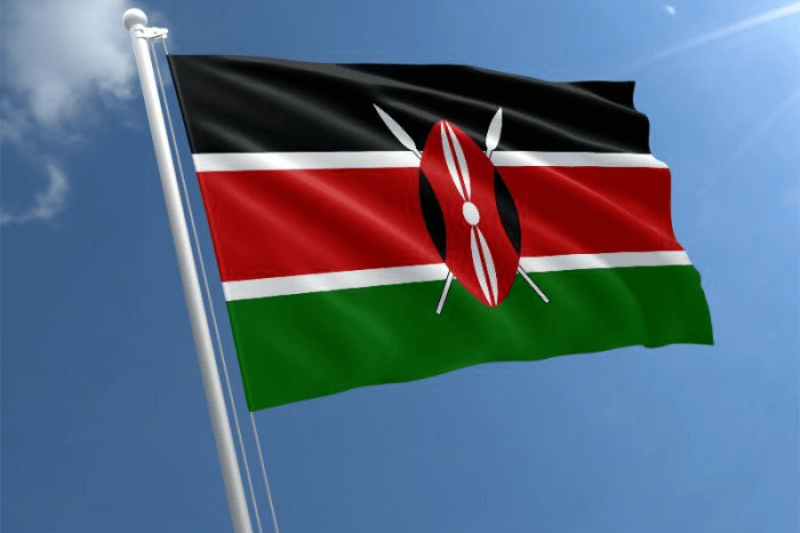
- Algeria, Angola, Benin, Botswana, Burkina Faso, Burundi, Cape Verde, Central African Republic, Chad, Comoros, Congo (Republic), DRC, Djibouti, Egypt, Equatorial Guinea, Eswatini, Ethiopia, Gabon, Gambia, Ghana, Guinea, Guinea-Bissau, Ivory Coast, Kenya, Lesotho, Liberia, Libya, Madagascar, Malawi, Mali, Mauritania, Mauritius, Morocco, Mozambique, Namibia, Niger, Nigeria, Rwanda, São Tomé and Príncipe, Senegal, Seychelles, Sierra Leone, Somalia, South Africa, South Sudan, Sudan, Tanzania, Togo, Tunisia, Uganda, Zambia, Zimbabwe
Asia:
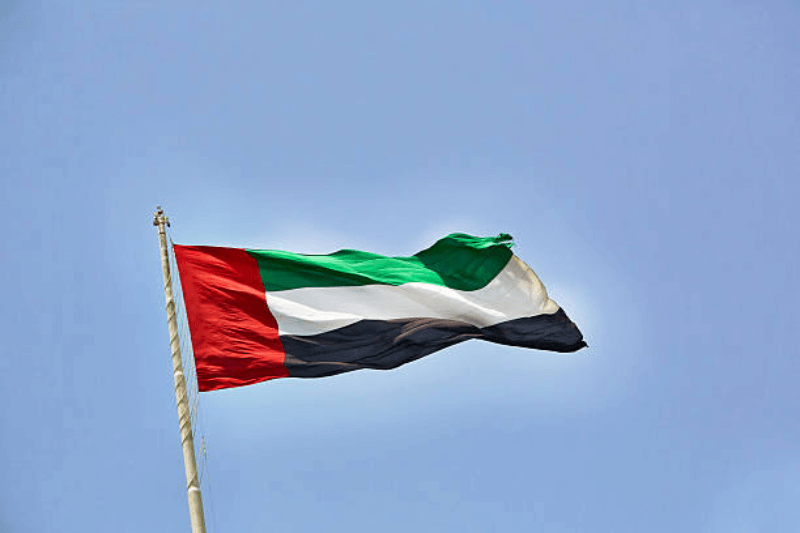
- Afghanistan, Bahrain, Bangladesh, Bhutan, Brunei, Cambodia, China, India, Indonesia, Iran, Iraq, Jordan, Kazakhstan, Kuwait, Kyrgyzstan, Laos, Lebanon, Malaysia, Maldives, Mongolia, Nepal, North Korea, Oman, Pakistan, Philippines, Qatar, Saudi Arabia, Sri Lanka, Syria, Tajikistan, Thailand, Timor-Leste (East Timor), Turkey, Turkmenistan, United Arab Emirates, Uzbekistan, Vietnam, Yemen
Europe:
- Albania, Armenia (2024), Belarus, Bosnia and Herzegovina, Bulgaria, Cyprus, Czech Republic (partial), Georgia, Iceland, Montenegro, Poland, Romania, Russia, Serbia, Slovakia, Slovenia (2024), Sweden, Ukraine, Vatican City
Latin America & Caribbean:
- Antigua and Barbuda, Argentina, Barbados (2024), Belize, Bolivia, Brazil, Chile, Colombia, Costa Rica, Cuba, Dominica, Dominican Republic, Ecuador, El Salvador, Grenada, Guatemala, Guyana, Haiti, Honduras, Jamaica (2024), Mexico, Nicaragua, Paraguay, Peru, Saint Kitts and Nevis, Saint Lucia, Saint Vincent and the Grenadines, Suriname, The Bahamas (2024), Trinidad and Tobago (2024), Uruguay, Venezuela
Oceania:
- Papua New Guinea, Vanuatu
Countries Not Recognizing the State of Palestine (as of 2025)
Despite global momentum, several influential countries continue to withhold recognition, citing the need for a negotiated settlement with Israel or alignment with U.S. and Israeli positions. Many of these countries are part of NATO, the G7, or the European Union.
Non-Recognizing Countries:
- North America: United States
- Europe: Germany, Italy, Netherlands, Austria, Hungary, Czech Republic (formal recognition not yet granted), Denmark, Estonia, Finland, Greece, Latvia, Lithuania
- Oceania: New Zealand
- Asia: Japan, South Korea, Singapore
- Other: Israel (naturally, does not recognize Palestinian statehood)
Countries With Pending Decisions (Expected September 2025)
Several key Western democracies have declared intentions to consider or pursue recognition of Palestine by September 2025, potentially shifting the global balance:
- Australia
- Canada
- France
- Malta
- Portugal
- United Kingdom
These decisions are expected to follow internal parliamentary votes or multilateral efforts tied to peace talks or broader Middle East policy shifts.
The recognition of Palestine as a sovereign state remains a vital aspect of the global diplomatic discourse. As more countries extend recognition, especially from Western Europe and the Global North, the political dynamics surrounding the Israeli-Palestinian conflict may shift significantly. While recognition alone doesn’t resolve the complex realities on the ground, it can empower diplomatic efforts, bolster Palestinian rights, and contribute to the long-envisioned two-state solution.
With key nations preparing to take a stance in 2025, Palestine’s international legitimacy continues to gain momentum, reflecting a changing world that increasingly acknowledges its aspiration for statehood and sovereignty.