

Global Trends in Education: What’s Changing, What’s Staying, and Future Impacts
The future of education in 2025 is changing due to the use of AI personalization, hybrid modes, and skills-based progressions, although traditional values of equality and person-centered learning do not disappear. In its report Trends Shaping Education 2025, the OECD identifies AI-based systems, VR/AR games, and microcredentials under geopolitical and labor market changes. The hybrid learning has become the norm and 85 percent of the institutions are using blended formats to provide flexibility. The skills of soft thinking, such as emotional intelligence, counterfeit the rote ones and equip students with the jobs that AI has disrupted. This development has an impact on future employability where 39 percent of skills will be outdated by 2030 necessitating lifelong upskilling.
Emerging Technological Shifts
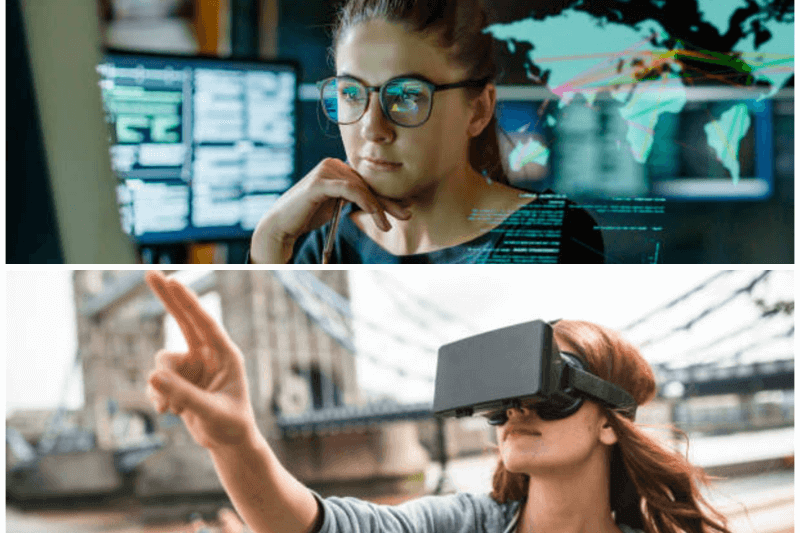
Artificial intelligence applications such as Squirrel AI match the content to each user speed, which increases the participation through adaptive tests and chatbots. VR/AR allows to have a more engaging experience, be it a virtual laboratory session or a worldwide partnership, and microlearning through TikTok-like videos makes users more likely to remember. These devices make access more democratic yet equitable to underserved areas is problematic.
Skills Economy and Workforce Alignment
The new trend is career-aligned programs, where apprenticeship and competency-based degrees take the place of the old four-year models. The integration of green skill and upskilling of AI/healthcare sectors can fill in the talent gaps since governments promote STEM through scholarships. Training in soft skills now focuses more on flexibility as opposed to memorization.
Persistent Foundations
The equity, inclusion, and teacher-students relationships will always be there, challenges the over-reliance of tech. UNESCO is focused on responsible and sustainable education that creates global citizenship.
Future Implications
These trends prepare learners in turbulent markets but should be supported by policy on affordability and digital disparities. Institutions that will collaborate with the industry will be at the forefront and that will make education fuel innovations and resilience.

