

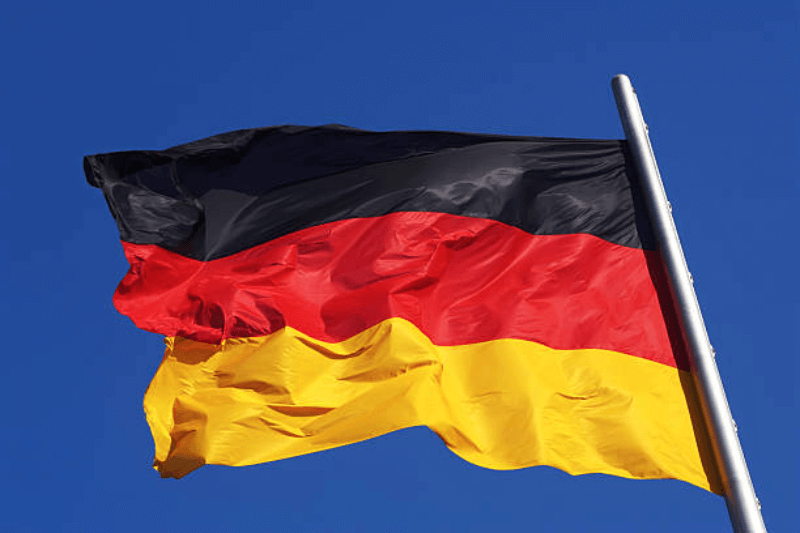
Germany Faces Fresh Economic Slowdown Fears Amid Manufacturing Slump
Germany, often called Europe’s industrial powerhouse, is back in the spotlight—and not for good reasons. The latest numbers show a sharp drop in manufacturing activity. For a country that relies so much on its factories for jobs, growth, and exports, that’s a big deal. People in government and business are worried, and global markets are watching closely.
Manufacturing has always been Germany’s bread and butter, making up almost a quarter of its economy. Now this engine is sputtering. Orders are drying up, exports are down, and companies aren’t eager to invest. Economists say this isn’t just a passing slump. It runs deeper—structural problems mixing with global pressures. Germany stands at a turning point, and its recovery depends on how fast industries can adjust to the new reality.
What’s dragging things down?
Weak demand from abroad, for starters. Big trading partners like China and the US just aren’t buying as much German stuff—machines, cars, industrial gear. With global trade under pressure, companies worldwide are pulling back on imports. Add in geopolitical worries and new supply chain strategies that favour local production, and German exporters really feel the pinch. When trade slows, Germany gets hit first and hardest.
Rising energy and production costs are squeezing manufacturers, especially in sectors like chemicals, metals, and autos. Energy prices have stopped spiralling, but they’re still higher than before the crisis. Factories say steep energy and material costs are eating into profits. Many midsize firms can’t afford to hire or expand. Some are even shifting parts of their business abroad just to stay afloat, and that’s got German leaders pretty anxious.
Germany is wrestling with its own homegrown problems
Things like sluggish consumer spending because of inflation, not enough skilled workers on the factory floor, slow progress with digital upgrades, and red tape that stalls new projects. Even if the global economy picks up, these issues could hold Germany back unless it tackles them head-on.
Industry groups aren’t staying quiet
They’re pushing the government to step up with energy subsidies, better investment incentives, and faster approvals for industrial projects. Business leaders warn that without quick reforms—especially around energy and digital tech—Germany could lose its edge. The government knows how serious things are, but political squabbles are delaying big decisions.
Why does all this matter?
Simple: Germany is the biggest economy in Europe, and what happens there ripples across the continent. If the slowdown drags on, it could pull down growth for the entire eurozone. Investors are getting jumpy, and some analysts even say Germany risks slipping into a long stretch of stagnation if manufacturing keeps falling.
Still, it’s not all doom and gloom. Germany is betting on new sectors like green tech, semiconductors, and advanced manufacturing to help turn things around. There’s some hope there. But the immediate priority is clear: stabilise manufacturing before things get worse.
Right now, Germany faces a tough stretch—uncertainty, tough choices, and a need for bold action. It’ll take smart policies, fresh ideas from industry, and a move toward a stronger, more resilient economy to pull through.

