Man Loses 39 Relatives: The Human Cost Of Israeli War in Gaza
Mahmoud Khalla is 40 when he starts to live with what no one could have imagined he had lost. He has lost his wife, his 3 children, his parents, his siblings and relatives his house in Jabalia is in ruins. His story mirrors the suffering of some of the survivors of Gaza who lost their homes, and many, their families, in the conflict.
A short trip, a lifetime of loss
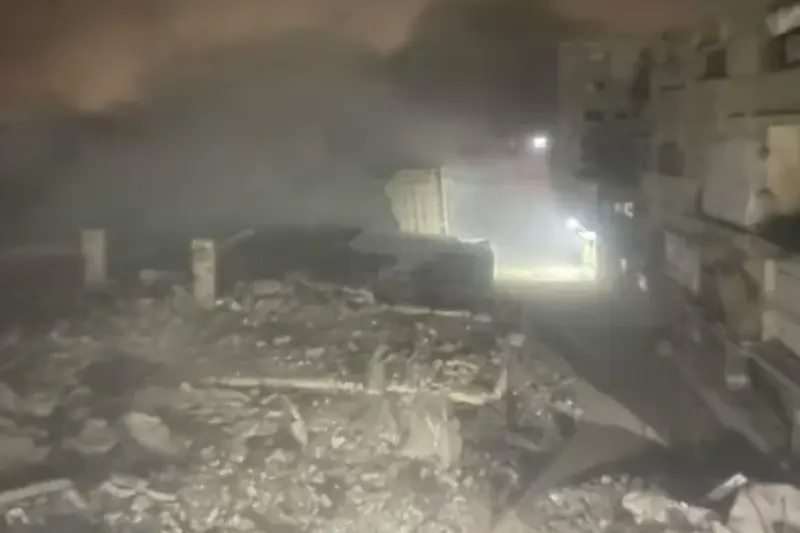
Then on December 21, 2023, 39 family members gathered inside Khalla’s five-story house in the north of Gaza. He was going to go outside to find something to eat. He heard an explosion 15 minutes later and, on inspection, discovered that the building had been bombed by the Israelis.
They were attempting to dig through the debris with Khalla and neighbours, but they were forced to flee due to further attacks and a surveillance aircraft. There was no opportunity that night for Ambulance or civil defence teams to get to the scene. The next morning, no one answered as he called for his loved ones. The family home was now a graveyard.
The house the uncle lived in had been attacked 9 days before, killing 18 people. Nowhere to go, no family to stay with and nothing else to do, Khalla found himself with no place to be. He would be sleeping on the streets for months or in unlocked cars. There was no family to shelter him in, no food to eat, no place to go.
Searching for the missing
In October 2025, a ceasefire was declared and families started searching for their loved ones buried under the ruins. More than 8,000 people were still missing under rubble in Gaza, according to estimates by the Civil Defence in September 2026, according to the UN humanitarian office. It also said that more than 630 bodies and human remains were recovered from destroyed buildings from November 2025 to September 2026.
Khalla sought assistance from civil defence workers, the Red Cross and other authorities, but there was a lack of equipment and many families were in need of assistance. He started to recover the bodies of his family members by himself, with friends and neighbours, around May 2026. The job was three months in duration. He buried them at a cemetery close to Jabalia an-Nazla.
A loss shared across Gaza
A joint assessment by the United Nations, European Union and World Bank estimated in April 2026 that more than 371,888 housing units in Gaza had been destroyed or damaged. It put recovery and reconstruction needs at $71.4 billion over the next decade. Around 1.9 million people had been displaced, often more than once.
Burying his family brought Khalla some relief, but it could not restore the life he lost. His story points to needs beyond rebuilding walls: safe shelter, support for survivors and resources to recover missing people and bury the dead with dignity.
Explore the Global Conflicts, Diplomatic Moves, and Decisions Shaping World Politics
What Happened in Claudia Tacoronte’s Case?
Is Switzerland Rethinking Its Neutrality Today?
What Does the ICC Inquiry Mean?
What Are Iran’s Key UNGA Demands?
Could a Sudan Arms Embargo Change Everything?