Asia’s Export Boom: What Growing Trade Means for American Businesses and Consumers
Flip over your laptop, sneakers or phone charger. The “Made in” label may not say what it did five years ago. Asia’s export boom is rewriting global trade, and its effects are landing in American shopping carts and company budgets.
Why Asia’s Exports Keep Climbing
Many people expected US tariffs to slow Asian factories. They haven’t, at least not across the board. DBS Bank’s chief economist expected Asia’s first-quarter GDP to be strong as exports surged, led by AI and green tech. Taiwan’s exports jumped nearly 35% in 2025, a record. The driver is mostly chips. Demand for AI hardware has kept orders flowing, tariffs or not.
Tariffs Didn’t Stop Trade. They Rerouted It.
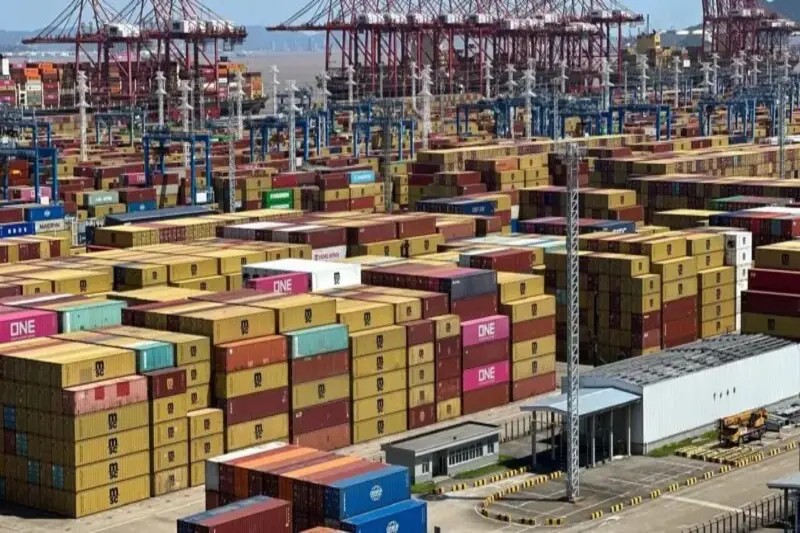
Goods still reach America, just by different roads. Southeast Asia’s total goods exports in October 2025 were 15% above the year before, according to the Lowy Institute. A Nomura economist noted that tariff gaps within Asia have become a major driver of transshipment, with some goods reaching the US through Southeast Asia. In plain terms, a product that once shipped from one country may now come from its neighbor.
What It Means for American Businesses
For importers, the lesson is that supply chains are shifting, not shrinking. Companies that moved sourcing to Vietnam, Malaysia or Thailand may be the ones that adapted best.
The risk is policy. Washington put 25% levies on certain chips in January 2026, and a broader semiconductor tax could halt Asia’s export run. Any business that depends on electronics should plan for that scenario. Shipping costs matter too. DHL pointed to strong Asian export volumes to destinations worldwide, including non-Chinese Asian origins sending cargo to the US. Busy shipping lanes can mean higher freight rates.
What It Means for Shoppers
The honest answer is that it depends on the product. Competition among Asian suppliers can keep many goods affordable. Tariffs and freight costs can push other prices up. The policy ground is also moving. The DBS chart shows US monthly import duty collection falling since last October, with a Supreme Court ruling in February. That suggests the tariff landscape is less settled than headlines imply.
Explore the Global Forces Shaping America’s Economy, Energy, and Everyday Spending
What Will Become More Expensive in America?
Is Washington Changing Its Russia Strategy?
Why Does Asia’s Energy Demand Matter to Americans?
How Is Global Energy Reshaping Geopolitical Power?
Will Consumer Confidence Change Holiday Spending?