

Washington’s Changing Russia Strategy: New Questions for Ukraine
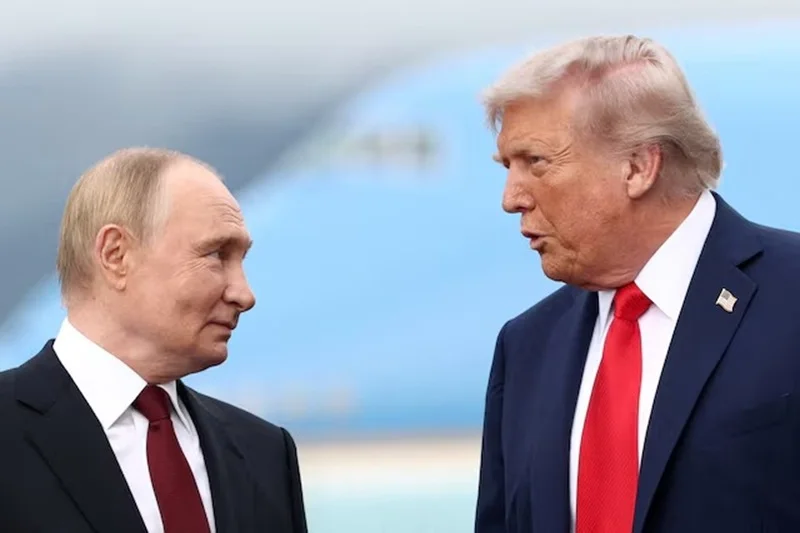
Few questions in world politics are watched as closely as how America will deal with Moscow. After months of mixed signals, Washington’s changing Russia strategy appears to be moving from quick deal-making toward steady pressure. Officials sound firmer, sanctions are back in the conversation, and European partners are being pulled into the same plan. For Ukraine, this brings welcome support, but also hard questions about how long the shift will last.
Why Washington Is Rethinking Its Approach
The early push for peace rested on a simple hope that both sides would compromise and the fighting would end fast. Russia did not budge. It still demands that Ukraine leave the Donbas region, and Kyiv still refuses. That deadlock has pushed American officials to look at their options again.
Reports in the Financial Times, summarised by Front News Georgia, say doubts have grown in Washington about whether Russia can reach its military goals. One regional think tank argues that Washington now links any territorial concession to firm security guarantees, so Russia cannot simply attack again later. Moscow has noticed. Foreign Minister Sergei Lavrov said the United States is no longer an objective mediator, pointing to pressure on Russia’s fuel income.
The Questions That Remain for Ukraine
There are signs of better teamwork. After talks in Oslo this week, the United States, Ukraine and European countries reportedly agreed on a coordinated approach to Russia. Earlier negotiations often left Kyiv and Europe feeling sidelined, so this matters.
- Will it last? A Ukrainian analyst quoted by The Gaze says much of the change so far is political language, and any administration can seek warmer ties with Russia later.
- Will words become weapons? Kyiv hopes for more air defence and licences to produce Patriot missiles, but nothing is settled.
- Is the timing political? Upcoming congressional elections may encourage tough talk that fades after voting.
- Can Russia be worn down? Ukraine’s top commander told the Kyiv Post that Moscow still plans to mobilise over 400,000 troops this year, so pressure is no quick fix.
The protests and power struggles reshaping politics worldwide
Could student protests sway France’s election?
Find out how campus demonstrations are fuelling political tensions ahead of France’s presidential vote.
Why is Trump targeting campus protests?
See how Donald Trump’s remarks have intensified debate over anti-Israel protests at US colleges.
Can the Abraham Accords protect regional stability?
Explore why the future of Middle East stability may depend on preserving the accords.
What’s driving Serbia’s growing unrest?
Uncover how shootings, corruption and violence are stoking tensions across Serbia.
Why are Russians protesting Putin’s mobilisation?
Track down the reasons behind mass anti-war protests following Putin’s mobilisation declaration.

