Europe’s Food Travel Surge: Key Culinary Tourism Trends Redefining Journeys in 2025
Europe is experiencing a strong growth of food tourism with increasing numbers of travellers planning their trips around the local flavours and traditional recipes, and experiencing local cuisine in unique ways. From rustic cuisine of cooking in the countryside, to the gourmet food markets in urban centres, culinary exploration is an essential element of a European travel experience today.
Tourists are not content anymore with mere sightseeing but desire to taste the history, the culture, and the sustainability on a plate. This shift is transforming the face of hospitality work as well as strengthening local economies and re-awakening food traditions from the past. As Europe shifts to new types of travel patterns, food tourism should emerge as one of the main drivers for experiential and responsible travel in 2025.
Top Food Tourism Trends Transforming Europe
Farm to Table Travel Experiences
For all of Europe, one of the biggest food tourism trends is the increase in demand for farm-to-table journeys. Travelers are visiting vineyards in France, olive groves in Italy, and dairy farms in Switzerland to experience the food at its source. These trips focus on sustainability, seasonal produce, and ethical consumption, which are very much in line with the eco-conscious travel values.
Street Food Goes Gourmet
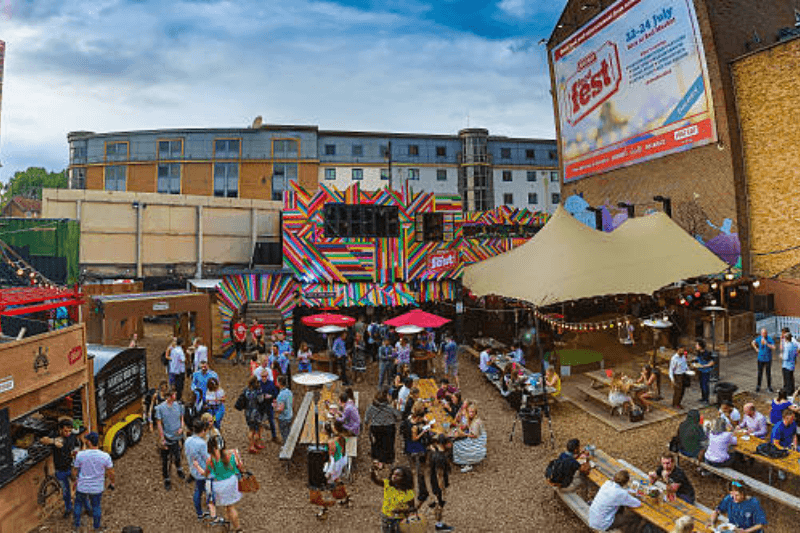
European street food has moved beyond fast food. Cities such as Barcelona, Berlin, and Lisbon now have curated street food festivals where traditional food comes hand in hand with culinary innovation. This trend has made food tourism more accessible, affordable, and appealing to younger travelers looking for the authentic tastes of travel.
Renewal of Regional and Heritage Cuisine
Across Europe, lesser-known regional dishes are catching the attention of the world. From the Balkan comfort foods to the fermented traditions of the Nordic countries, there is a tourist curiosity that wants to search for authentic recipes developed through generations. This resurgence makes food tourism progressively stronger, by saving cultural identity and local small producers.
How Culinary Travel Is Changing European Tourism
Culinary Exploration Trails and Food Routes
Organized food routes (e.g., cheese trails in the Netherlands, wine routes in Spain) are gaining popularity. These themed journeys promote slow travel and immerse travelers more into a structured but rich experience, which makes food tourism a very calculated experience.
Cooking Classes and Hands-on Experiences
Tourist desires range more to the desire to cook and not simply to consume. Cooking workshops in Tuscany, pastry classes in Paris, seafood lessons on the coast of the Mediterranean – travelers are becoming participants. This interactive approach enhances emotional relationships with destinations.
Sustainability and Zero Waste Restaurant
Sustainable dining practices have now become the crux of food tourism in Europe. Zero-waste restaurants, plant-focused menus, and locally-sourced ingredients appeal to the growing number of travelers who value environmental stewardship and culinary discovery.
Digital Influence and Social Media
Social media keeps boosting the food appeal in Europe. Viral food destinations and influencer-inspired recommendations are determining travel itineraries, which makes visually appealing meals and experiences an integral component of food tourism expansion.
Europe’s changing eating scene reveals that food is no longer just one of the trips – it is the trip itself.