

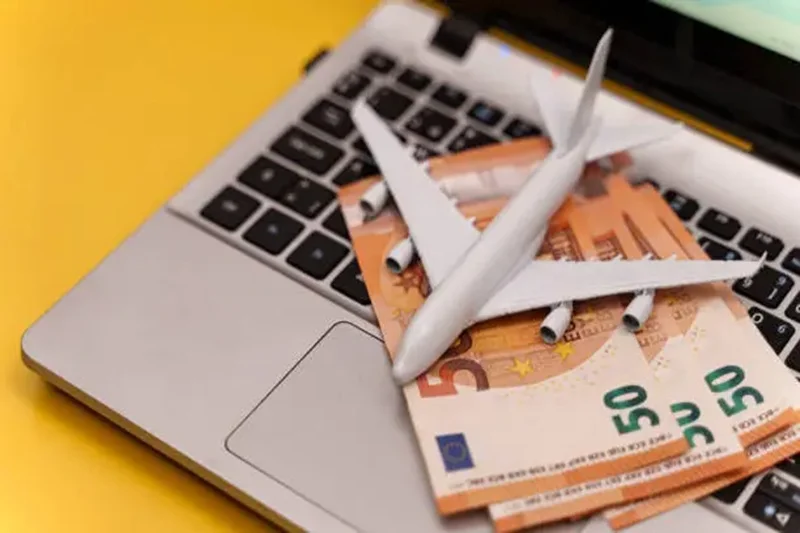
Is Europe Getting Cheaper for Americans? How a Weaker Euro Could Change Travel Costs in 2026
That plate of pasta in Rome just got a little easier to swallow. If you’ve been putting off a European trip because of sticker shock, the exchange rate has quietly shifted in your favor.
What Changed With the Euro
The euro bought about $1.16 in early September, according to European Central Bank reference rates. By October 5, it was down to roughly $1.12. That’s a drop of about 3.6% in a month.
What It Means for Your Wallet
Take a €200 hotel night. In early September, that cost about $232. Today, it’s closer to $224. Pocket change, you might say. But on a €3,000 trip covering hotels, meals and train tickets, the swing adds up to roughly $125 back in your pocket.
Why It Matters, and Why It May Not Last
Earlier this year, asset manager Amundi predicted the euro would climb in 2026, though it expected gains to stay below $1.25. The recent dip runs against that call, which is a reminder that currencies rarely move in straight lines.
Don’t Expect a Fire Sale
Europe isn’t suddenly cheap. Prices on the ground are still set in euros, and hotels, flights and tourist taxes haven’t dropped. A weaker euro simply stretches each dollar a bit further.
Planning Europe travel? Discover costs, rules, deals, and travel updates before you go.
What New Tourist Taxes Hit Europe?
Check out the 10 new and higher European travel fees affecting American tourists in 2026.
What Hidden Costs Can Break Budgets?
Find the unexpected Europe travel expenses that could push your holiday budget higher.
Which European Destinations Offer Affordable Travel?
Explore the most affordable European destinations for a budget-friendly getaway.
Can Americans Enter Europe More Easily?
Uncover the latest border access and travel differences between the EU and United States.
What Travel Warnings Are Affecting Europe?
Track down the latest ECDC warnings and European travel measures related to India.

