

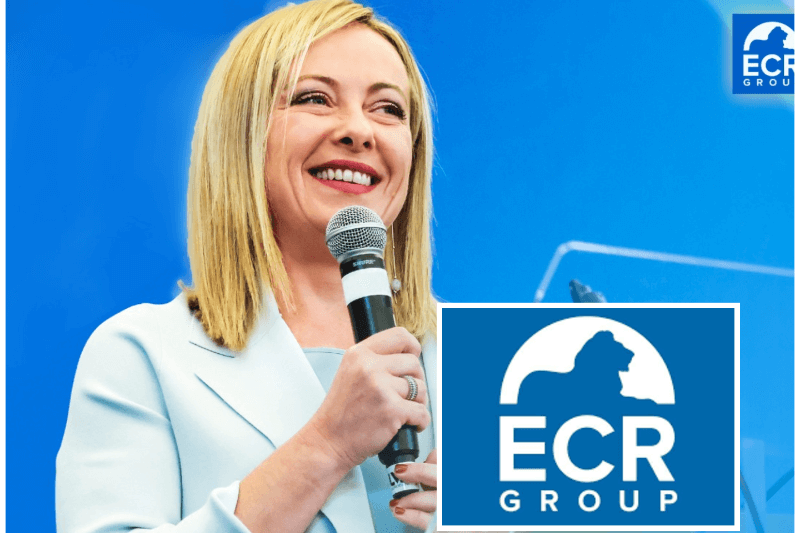
EU’s Right-Wing Surge: Meloni’s ECR Group Reshapes Von der Leyen Coalition in 2025
The European Union politics in 2025 have been plunging into a deep shift as a new wave of right wing sweeps across the landscape. At the core of this shift is Italian Prime Minister Giorgia Meloni and her European Conservatives and Reformists (ECR) group, which has emerged as a decisive force within the European Parliament. The ECR was previously viewed as a peripheral organization, but now it has a significant impact on the coalition strategy of Ursula von der Leyen, reconsidering the priorities of centrist and nationalist politics in the continent.
The Rise of Meloni’s ECR Influence
The ECR bloc under the leadership of Meloni has been able to expand its scope by associating with conservative and moderate-nationalist parties all over the EU. Their mutual opposition to uncontrolled immigration, stricter fiscal policies and more sovereignty policies has appealed to voters who want more aggressive governance. This upsurge enabled Meloni to seize the heart of coalition negotiations by making ECR the swing vote in creating the new Commission majority under Von der Leyen.
Von der Leyen’s Strategic Realignment
Von der Leyen has been balancing centrist loyalties and playing the maneuver of courting ECR to win a second term as European Commission President. Her re-calibrated agenda involves more stringent migration policy, defense alliance, and more wary climate policy as a way of accommodating right-wing interest but avoiding offending the pro-EU liberals. This balancing process demonstrates the increased difficulty of the EU to remain unified due to the polarisation in ideologies.
Broader Impact on EU Politics
The rise of right-wing parties under Meloni is an indication of the long-term trend toward pragmatic nationalism in the work of the EU. On the one hand, critics argue that it may destabilize integration and social progress, on the other hand, those who support it believe it is a much-needed remedy to decades of bureaucracy building. With discussions on the security, energy independence and economic sovereignty taking a new turn, 2025 is emerging as a landmark year in the political life of Europe.

