How Europe Became the World’s Electric Vehicle Hotspot
Europe is emerging as the most powerful market of electric vehicles across the world due to policy backing, environmental crisis, and shifting consumer behavior. European countries have taken a decisive step in favor of cleaner mobility, while other regions are still debating mass adoption. Through massive subsidies and strict emission control regulations, governments have provided an environment where people are encouraged to abandon fossil-powered vehicles. Meanwhile, with the increasing fuel costs and environmental consciousness, consumers have been compelled to seek out alternatives that are sustainable. This regulatory, infrastructural, and social responsibility mix is what makes Europe remain at the forefront of the switch to electric mobility in the world.
Good Government Policies and Climate Commitment
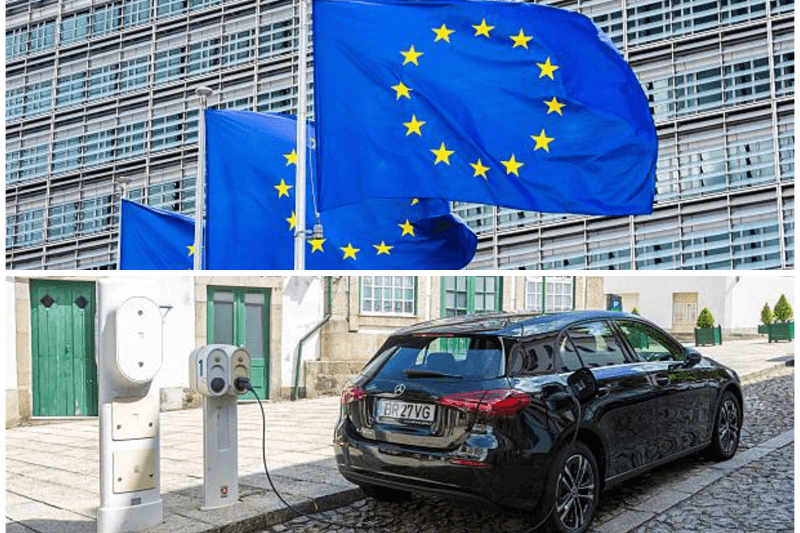
The aggressive climate agenda is considered to be one of the largest factors that lead Europe to the top in the field of electric vehicles. The European Union has pledged to achieve climate-neutrality by 2050, and one area is transport emissions. To this end, numerous states have offered a ban on the sale of new petrol and diesel vehicles by 2035.
Monetary rewards are also significant. Germany, France, and the Netherlands are some of the countries where buyers enjoy purchase subsidies, tax exemptions, and low registration fees. Adoption is also enhanced by urban policies, which limit the use of conventional cars in big cities. These actions not only render the purchase of electric vehicles environmentally responsible but also make them economically appealing to European consumers.
High-end Infrastructure for Electric Vehicles and Retailer Shifting Psychology
The charging infrastructure that is well-developed in the region is another key to the popularity of electric vehicles in Europe. Fast-charging stations are being installed in highways, residential areas, workplaces, and shopping centers. This helps to create less range anxiety, which is a primary factor for first-time buyers. Governments and individual businesses are still spending heavily on cross-border charging systems, which have made long-distance travel more comfortable.
The change in consumer attitude is also significant. The European market is more concerned with long-term savings, sustainability, and fuel economy. The rising fuel prices and awareness regarding air pollution have enhanced this trend. The response by car manufacturers has been to launch cheap and cool models which are more suitable in the European markets, and with that, the desire to own electric-powered cars has risen. Combined, the preparedness of infrastructure and socially acceptable practices will guarantee that the adoption keeps gaining momentum throughout the continent.