

Economists Warn Cutting Fuel Excise Could Keep Inflation Higher for Longer
When price reaches record highs for gasoline/diesel, many governments will reduce fuel taxes to immediately assist with rising prices. However, economists warn that although these actions may be popular politically, they will also contribute to inflation remaining elevated longer than expected.
What Is Happening
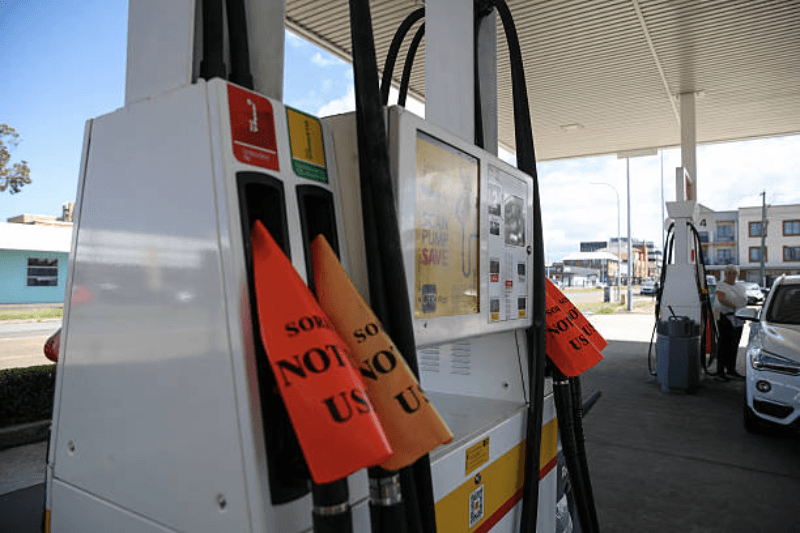
This trend can also be seen in Australia and many countries (example: India) which have recently reduced taxes on fuel in response to the increase in global oil prices. The tax cut in Australia involved temporarily reducing the tax on fuel (excluding natural gas) from approximately $0.57 per litre to about $0.30/litre for a 6-month period.
Why Economists Are Concerned
1. Lower Prices Increase Demand
When fuel becomes cheaper, people tend to use more of it. Economists argue that reducing excise duties can increase consumption at a time when supply is already constrained. This demand surge can worsen shortages and keep overall price pressures high.
2. More Money in the Economy Fuels Inflation
Fuel is a major household expense. When prices drop, consumers have more disposable income to spend elsewhere.
3. Weakens the Impact of Monetary Policy
High fuel prices typically reduce spending power, which helps cool inflation—similar to how interest rate hikes work.
4. Fiscal Pressure on Governments
Taxes (excise) represent a significant portion of government revenue, therefore reducing them represents significant budget reductions for governments. For example in India, analysts estimate that reducing fuel taxes would represent as much as a 0.5% reduction in GDP; placing additional pressure on government budgets while at the same time limiting their future ability to spend.
Global Context: Energy Crisis Driving Policy Decisions
The current situation is directly linked to the increased cost of oil around the world due to geopolitical tensions and supply disruptions. As a result, government officials have been urged to act quickly to respond to citizens’ demands for assistance but many economists believe that broad-based subsidies (such as reducing fuel taxes) are not the best solution in the long run.
What Economists Suggest Instead
Instead of uniformly reducing fuel taxes, most economists recommend the following instead:
- Give financial support to households with lower incomes.
- Make investments into public transportation and other energy sources.
- Allow market prices to determine the amount of demand through price adjustments.
Conclusion
Although reducing fuel excise taxes provides immediate relief at the gas pump, there are economic implications associated with it. Specifically, this reduction creates an increase in demand, an increase in spending and a decrease in government revenues, which all increase overall inflation rates.
FAQs
1. What is fuel excise?
Fuel excise is a tax imposed by governments on petrol and diesel.
2. Why do governments cut fuel excise?
To reduce fuel prices and ease cost-of-living pressures on citizens.
3. How can it increase inflation?
Lower fuel prices increase demand and spending, which can push overall prices higher.
4. Does it affect interest rates?
Yes, it may lead central banks to raise interest rates to control inflation.


