Did China’s clean heating policies prevent 23,000 premature deaths?
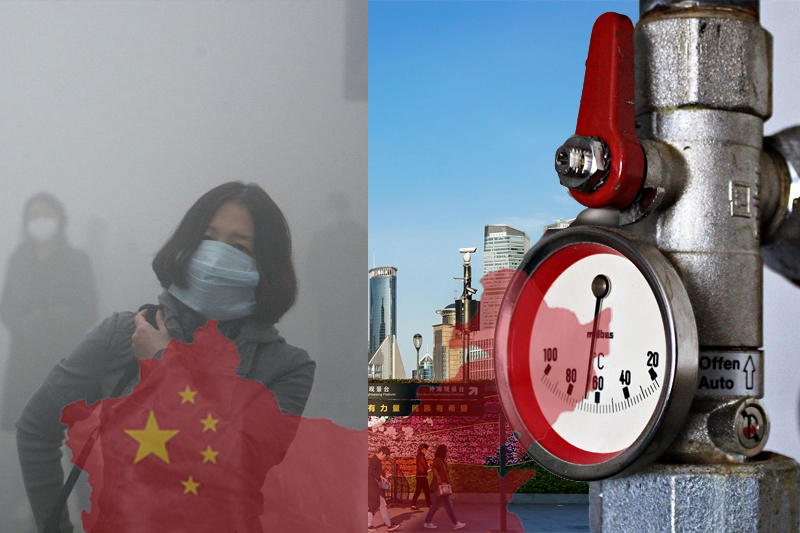
China’s strict clean heating policies have helped improve air quality in the north of the country and potentially reduced premature deaths caused by winter heating by 23,556 – from 169,016 in 2015 to 145,460 in 2021, according to researchers from the University of Birmingham and Nankai University in Tianjin.
From 2015 to 2021, concentrations of PM2.5 fell by 41% in the ‘2+26’ cities – referring to Beijing, Tianjin and 26 surrounding cities – and by 13% in other northern cities because of the clean heating plan. PM2.5 are tiny, hazardous particles in the air and are a key indicator of air pollution.
China, currently the second most populous country in the world, has centralised winter heating systems that are usually switched on from mid-November and switched off in mid-March. While coal is predominantly used as the energy source for this ‘heating season’, rural areas often rely on biomass burning. According to a Greenpeace analysis of government data, coal provided more than 80% of heating in the country in 2016.
Keep Reading
China has been seeing significant progress in improving air quality since 2013, when the government introduced an action plan to tackle air pollution.
Nevertheless, heating remains a major source of pollution in the world. Other parts of China and other countries as well need to focus on the decarbonisation of heating.
The Chinese government introduced a winter clean heating plan for the north of the country in 2017. The ambitious targets set at the time included increasing the level of clean heating being used in northern China to 70% and 100% in urban areas of Beijing and surrounding cities – all by 2021 compared to the 2016 level.
The complex physical and chemical processes in the atmosphere and the other socioeconomic factors that can bring a change in pollution levels make the evaluation of clean heating policies’ effectiveness pretty challenging, according to the researchers. They said they used a new approach that combined machine learning and a synthetic control method to quantify the impact of these policies.