

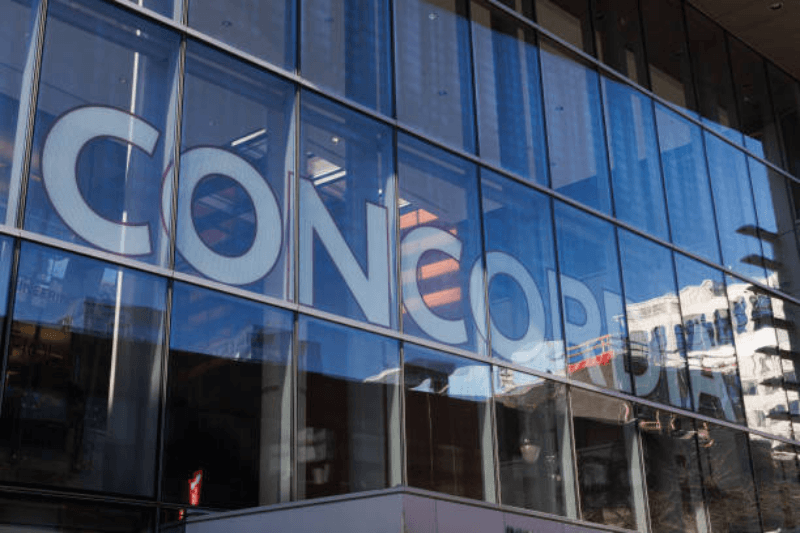
Concordia University Budget Crisis: Layoffs Loom Over Montreal Campus in 2026
Montreal’s Concordia University is facing one of its toughest financial challenges in recent years. The university is dealing with a growing budget deficit, declining student enrollment, and increasing pressure from both students and staff. During a Senate meeting in February 2026, Concordia President Graham Carr warned that layoffs could become necessary if the financial situation does not improve. Despite attempts to cut costs, the university still struggles to balance its budget. The crisis has led to protests on campus and raised worries about the future of education at one of Canada’s major universities.
Financial Strain Continues to Grow
Concordia is facing a $12 million budget deficit this year. To address this shortfall, the university has already taken several measures. It will not renew 63 limited-term teaching contracts that expire in June 2026. Additionally, faculty sabbaticals have been postponed, and some staff members have been offered voluntary retirement options. A major factor behind the financial strain is the sharp drop in student enrollment. Concordia usually attracts many students from other Canadian provinces and international locations, but recent policy changes have heavily impacted this. Quebec raised tuition fees for out-of-province and international students, making the university less affordable for many applicants. At the same time, the Canadian government imposed stricter limits on student visas, which has reduced the number of international students allowed into the country. These two issues have significantly affected the university’s revenue.
Students and Faculty Raise Concerns
The situation has sparked strong reactions from students and faculty. Protests have occurred outside Senate meetings, with demonstrators holding signs that say “Protect LTAs,” which stands for limited-term instructors. These instructors teach about 42% of Concordia’s programs, so losing them could impact many courses. There is also increasing concern about smaller and specialized programs, especially in the humanities and arts. While President Carr has assured students that full-time faculty members will continue teaching courses, many are worried that class availability and teaching quality may still decline.
Labor Disputes Add More Pressure
The financial crisis is occurring alongside a significant labor dispute on campus. More than 2,000 teaching assistants and research assistants, represented by the CREW union, have voted overwhelmingly to strike. With a 95% strike mandate, the union has already sent out strike notices. If the strike happens, it might disrupt over 3,000 tutorials, lab sessions, and research activities throughout the university. Negotiations between the union and university administration are ongoing, but tensions are still high.
An Uncertain Road Ahead
Concordia is a respected institution known for its strong research output and good graduate employment rates. However, financial challenges continue to affect its future. Credit rating agency Moody’s recently downgraded the university’s rating. They expressed concerns about how quickly Concordia can recover from the deficit. While the university is introducing new programs like Business Analytics to attract more students, experts think more cost-cutting measures may be needed in the coming years. For now, many students and faculty members are left wondering how these changes will impact the quality of education and the overall campus experience.
FAQs
1. Why is Concordia University facing layoffs in 2026?
The university is dealing with a $12 million deficit, caused by rising tuition for non-resident students, declining enrollment, and federal limits on international student visas.
2. Are there strikes happening at Concordia University?
Yes. The CREW union, representing more than 2,000 teaching and research assistants, has issued strike notices after receiving a 95% strike mandate.
3. How are government policies affecting Concordia?
Quebec’s higher tuition for out-of-province and international students, along with federal limits on student visas, has reduced enrollment and university revenue.
Summary:
Concordia University’s financial woes escalate with potential staff layoffs, non-renewal of teaching contracts, and ongoing strikes. Driven by Quebec’s tuition policies and federal immigration curbs, the Montreal school battles a $12M deficit—sparking protests and uncertainty for students and faculty.

