How Climate Change Is Affecting Coastal Cities Worldwide
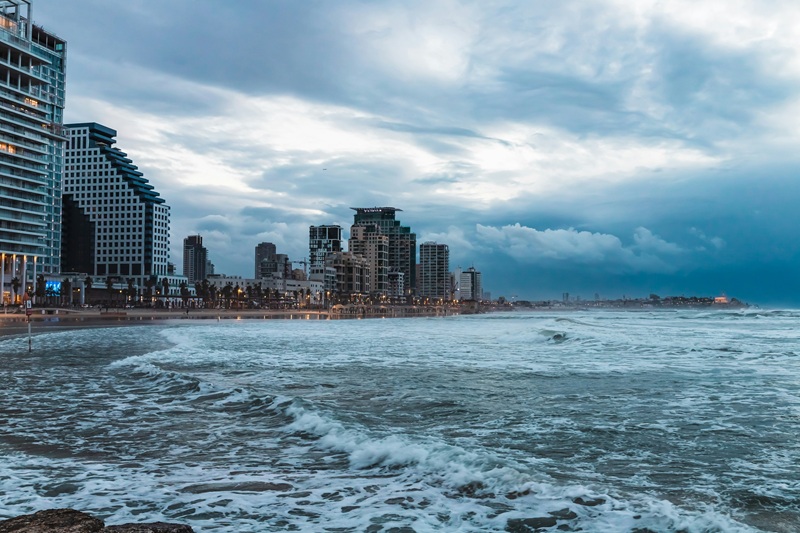
Coastal towns have been successful for a long time because they can easily access trade routes, fisheries, and tourists. But today, as climate change speeds up, these same towns are among the least able to deal with it. Coastal towns and cities around the world are having problems that threaten their buildings, jobs, and even their long-term survival, from rising sea levels to stronger storms.
Increasing Sea Levels Make Cities Unsafe
One of the most obvious effects of climate change on towns by the ocean is that the level of the ocean rises. Every year, water levels rise a little bit because the seas are getting warmer and glaciers are melting. Miami, Jakarta, Venice, and Bangkok are some of the cities that flood often, even when there are no storms, and it’s high tide. Roads, subways, and drainage systems are increasingly unable to handle the traffic and water they were designed for, turning normal weather events into disturbing floods.
Very bad weather is happening more often now
Due to climate change, storms, cyclones, and typhoons that hit the coast are getting stronger. As ocean temperatures rise, bigger storms with heavier rain and more damaging storm surges happen. Lately, towns on the U.S. Gulf Coast, parts of Southeast Asia, and the Pacific have had to deal with the damage of homes, ports, and power networks over and over again, often before they have fully recovered from the last disasters.
Land Loss and Erosion Speed Up
It is also becoming more and more worrisome that coastal damage is happening. Waves and rising sea levels are eroding coastlines, making beaches smaller and rocks fall apart. As the land disappears, whole neighbourhoods are being pushed inland in some areas. This loss not only impacts homes but also tourism-based economies that depend on coastlines that don’t change.
Saltwater Moving Inland Puts Food and Freshwater at Risk
When seawater moves further into the land, it damages freshwater sources and farmland. The rising salt levels in the groundwater of coastal towns make the water unsafe for drinking and irrigation. This problem is worse in deltas with low land, like those in South Asia. Millions of people rely on farming near the coast for food and money.
Increasing Economic and Social Stress
The price of climate change on coastal towns is quickly getting more expensive. It costs more to insure properties in high-risk areas, which are losing value. At the same time, governments are spending billions on seawalls, water barriers, and better drainage. It often makes things worse for poorer communities, which don’t have the money to move or rebuild, deepening social inequality.
How Urban Areas Are Reacting
A lot of towns by the coast are changing, even though there are risks. Some people are putting money into nature-based options like restoring mangroves, and others are making changes to cities so that they can take in floodwater. Long-term planning, climate-resilient infrastructure, and lowering emissions are becoming very important for saving the future of the coast.
FAQs
Why do coastal towns have a harder time dealing with climate change?
Because they’re directly affected by rising seas, storms, and damage that come with warmer oceans.
Can climate change effects be kept from hitting coastal cities?
Many risks can be lowered by adapting, planning better, and working together around the world to lower pollution.
Which areas have the highest risk?
The most at-risk towns are those in Asia that are low to the ground, as well as ones in the islands and parts of the Americas and Europe.
Is moving unavoidable for some cities?
In the worst cases, some people may have to move, but many cities are focused on resilience to delay or avoid this outcome.