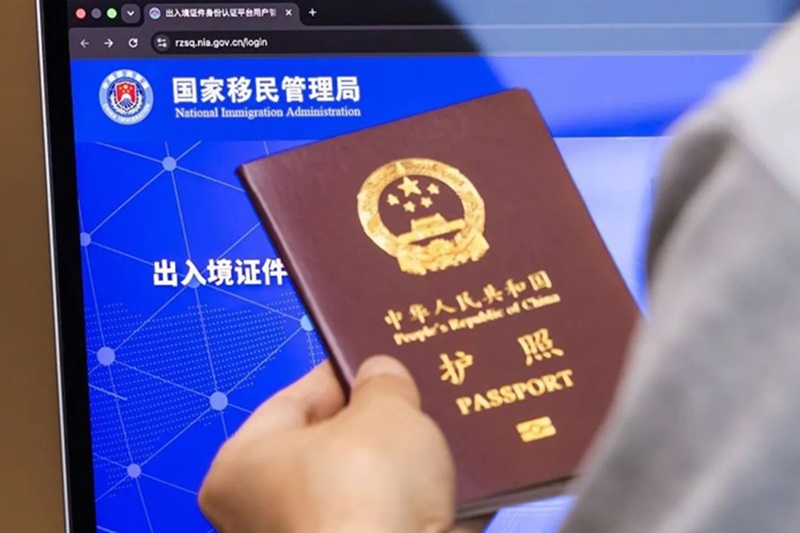
China Tightens Travel Rules for Citizens: New Exit Restrictions Target Technology and National Security Risks
Traveling abroad has always been a fairly routine part of life for millions of Chinese citizens on work trips, study programs, and family visits. That’s not changing overnight. But as of this week, the government has given itself considerably more room to stop certain people from leaving the country, especially when their jobs touch on technology, national security, or other sensitive information.
What’s actually in the new rules
China’s State Council drafted these exit-and-entry regulations back in July, and they officially kicked in on September 15, 2026. The stated goal is protecting national sovereignty and security, but in practice they hand authorities a much clearer legal basis for keeping specific people from boarding a plane out of the country. The rules let officials block someone’s departure if they’re suspected of breaking export-control or technology-trade laws particularly in cases where the alleged violation could put industrial or tech security at risk. They also apply to people accused of committing offenses overseas that could damage China’s national interests. And on the more mundane end, authorities can now deny travel documents or stop someone from leaving if they’ve lied on an application or otherwise haven’t met the legal requirements.
Bottom line: if your work, your business dealings, or your legal situation checks certain boxes, expect more scrutiny before you’re allowed to travel.
Why tech is the main target
It’s not really a mystery why technology sits at the center of this. Semiconductors, AI, telecom hardware, and other advanced industrial know-how have become some of the most contested grounds in China’s rivalry with the US and other major powers. Just about every government with a stake in this competition is trying to keep sensitive tech and the expertise behind it from slipping across borders to rivals or into military applications. Beijing’s new rules fit into that same pattern: an attempt to keep a tighter grip on strategically important knowledge as competition over advanced technology heats up.
Who’s likely to feel this
For the average person, not much changes. Tourists, students, and businesspeople will keep crossing borders the way they always have. The people who need to pay attention are those working in sensitive industries or with access to protected technology government officials, employees at state-linked firms, and professionals handling classified or strategically sensitive information have already run into travel restrictions before this law even existed. Now there’s a firmer legal framework backing that up.
It’s also worth noting the rules aren’t limited to Chinese nationals. Foreign nationals can get caught up in China’s exit-and-entry system too, particularly if they’re tied to a legal dispute, a criminal investigation, or anything flagged as a national-security concern.
What this means for companies and workers
The sharpest impact is likely to land on China’s tech and industrial sectors. If an employee suddenly can’t travel freely, that’s a real problem for attending conferences, closing deals overseas, or just showing up to a meeting abroad. Multinational companies may start thinking twice about which employees they send into or out of China, especially anyone whose role touches sensitive technology.
There’s a broader economic angle here too. The more unpredictable international travel becomes for key staff, the more hesitant global companies may get about staffing up in China or moving people across borders for work. Beijing’s counterargument is straightforward: the risks around technology and cross-border movement have gotten more complicated, and the rules are simply catching up.
What Else Is Making Headlines?
What Made Diana’s Dress So Iconic?
Check out the story behind Princess Diana’s famous Revenge Dress and its upcoming Sotheby’s auction.
Why Is California Restricting Social Media?
Find out how California’s new law targets addictive social media features for children under 16.
Why Does UN Reform Matter at BRICS?
Uncover why António Guterres is highlighting Security Council reform and multilateralism at BRICS 2026.
How Is BRICS Reshaping Global Trade?
Explore how the expanded 11-nation BRICS bloc is transforming global trade and economic cooperation.
Why Is Britain Obsessed With Bayeux?
Experience the Bayeux Tapestry exhibition in London as renewed public fascination sweeps across Britain.
The bigger picture
This is really part of a larger trend national security and economic activity are getting harder to separate. Data, research, patents, and even skilled individuals are increasingly treated as security assets rather than just commercial ones, and that’s true well beyond China. For most travelers, day-to-day life won’t look any different. But for anyone working in a sensitive field, expect more paperwork, closer checks, and a bit more uncertainty about whether that next trip abroad will actually happen.
FAQ
Can ordinary Chinese citizens still travel abroad?
Yes there’s no blanket ban. The restrictions apply in specific legal situations involving security, technology, immigration status, or similar concerns.
Why can China stop someone from leaving?
Existing Chinese law already allows for exit restrictions in cases like unresolved legal matters, certain criminal investigations, or anything touching national security.
Are all tech workers banned from traveling?
No. Only those connected to sensitive technology or suspected violations of export-control and trade rules are likely to face restrictions.
When did this take effect?
September 15, 2026.
Could this affect foreign businesses operating in China?
Potentially especially companies whose employees work with sensitive technology or anything touching national-security matters.