Ceuta Border Crisis: Thousands of Migrants Return to Morocco After Mass Crossing Into Spain
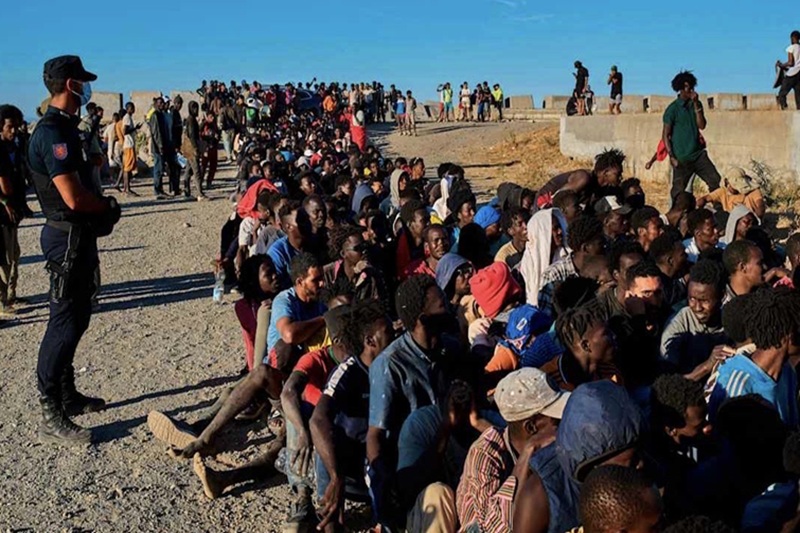
Spain is still absorbing the fallout from one of its worst migration emergencies in recent memory, after a massive wave of people surged across the border from Morocco into the tiny Spanish enclave of Ceuta in late July. It happened fast. On July 30, huge crowds began moving toward the border by land and sea, some swimming through open water, others pushing through or scrambling around the barriers that separate Ceuta from Morocco. Within roughly 24 hours, Spanish officials estimated more than 49,000 people had made it across. Local authorities in Ceuta put the number even higher, somewhere north of 60,000.
To put that in perspective: Ceuta itself only has about 80,000 residents. A single day’s crossing added a population equivalent to more than half the city and local police, emergency services, and shelters simply weren’t built for that. The human cost was severe. Dozens of people died attempting the crossing, many of them drowning in the waters off the coast. Reuters put the confirmed death toll at at least 57.
Why So Many Turned Back
What’s striking is how quickly the numbers reversed. Spain’s Interior Ministry reported that by July 31 just a day later more than 48,300 people had already returned to Morocco. Part of the explanation seems to be a mismatch between expectation and reality. Many who crossed had little clarity on whether they’d actually be allowed to continue on to mainland Spain, and conditions inside Ceuta overcrowded, under-resourced, uncertain pushed a lot of people to simply turn around rather than wait it out. That doesn’t mean the crisis is resolved, though. It just means the pressure driving people toward Europe hasn’t gone anywhere it’s still building beneath the surface.
What Was Driving the Surge
A lot of it comes down to economics. Many of those who attempted the crossing were young Moroccans looking for work and opportunity that simply isn’t available to them at home. There’s also a digital dimension to this one. Reports suggest social media played a real role in fueling the rush, misleading posts and rumors circulated suggesting the border was easier to cross than it actually was, and authorities have since had to push back publicly against that kind of misinformation. Ceuta and its sister enclave Melilla occupy a strange and sensitive position geographically: they’re Spanish soil sitting on the African continent, which makes them the only land borders the EU shares with Africa. That’s exactly why they keep becoming flashpoints.
Stay informed with these stories shaping global headlines and raising new questions.
Could Hormuz Tensions Trigger Wider Crisis?
Check out the latest developments surrounding the US naval blockade of Iran and rising Strait of Hormuz tensions.
What Happened to Italy’s Renaissance Treasures?
Uncover the shocking museum heist involving four priceless Renaissance masterpieces stolen from Italy.
Why Did Police Investigate Elderly Man?
Find the details behind the Singapore assault investigation following an elderly man’s interaction with a child.
Why Did Trump Cut Military Exercises?
Browse the latest developments after Trump ordered a substantial reduction in joint military exercises.
What Does France’s Muslim Brotherhood Report Reveal?
Explore France’s new report and the questions it raises about Islamist networks across Europe.
Thousands crossed into Ceuta in a single day
The bigger picture here is a tricky one for both Spain and the EU. Spain has to walk a line between enforcing its borders and meeting its humanitarian obligations, all while relying on Morocco as a partner in managing migration flows. Expect this to reignite familiar political fights across Europe over asylum policy, deportations, and how far border enforcement should go. But maybe the clearest takeaway is the grimmest one: no amount of fencing solves a problem rooted in unemployment and inequality. As long as those conditions persist, people will keep trying to cross and the border will keep being dangerous. The crowds have thinned out for now. The pressure that brought them hasn’t.
FAQs
What is the Ceuta border crisis?
The Ceuta border crisis refers to the mass crossing of migrants from Morocco into Spain’s North African enclave of Ceuta in late July 2026.
How many migrants crossed into Ceuta?
Spanish authorities initially estimated that more than 49,000 people crossed within 24 hours, while local estimates placed the total at around 60,000 or higher.
How many migrants returned to Morocco?
Spain said more than 48,300 migrants had returned to Morocco by July 31.