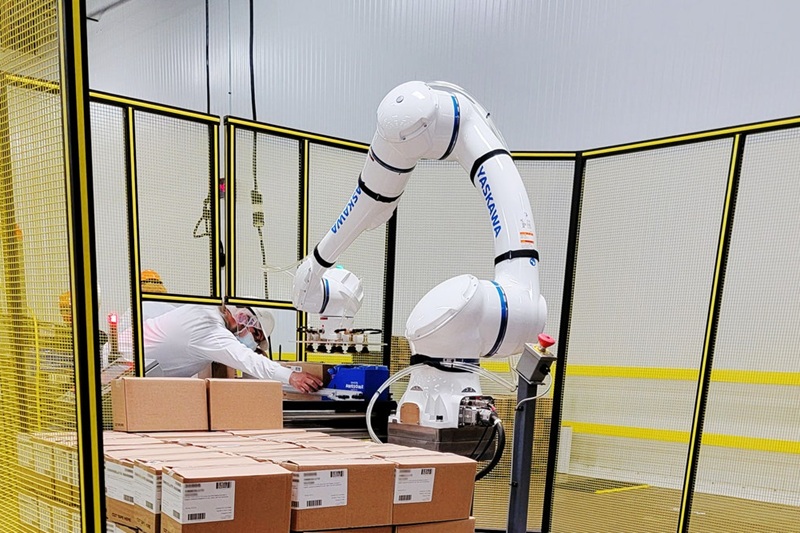
Can You Rent a Robot in 2026? Here’s What Rental Robots Can Actually Do
A few years ago, the idea of renting a robot would have sounded like something from a science-fiction movie. In 2026, it’s an increasingly practical business solution. Companies are opting to rent robots, rather than buy them outright, from hospitals and warehouses to weddings and trade shows. The reason is simple: robotics technology is evolving fast and spending a lot of money on a machine that might be obsolete in a couple of years isn’t always a smart investment. Instead, companies are looking to Robotics-as-a-Service (RaaS) , a model that allows them to access advanced robots on a subscription or rental basis without the need for large upfront costs.
Why Robot Rentals Are Becoming More Popular
The reason for the explosion in robot rentals is price. Many commercial robots cost tens of thousands of dollars, or even hundreds of thousands of dollars. Owners also need to consider software updates, maintenance, repairs, training and technical support beyond the initial purchase price. Renting passes a lot of that responsibility on to the provider. Companies can use robots as needed, instead of committing to a long-term arrangement. The upgrade path is often easier than replacement of purchased equipment when a newer model becomes available. This flexibility is prompting companies to experiment with automation with little financial risk. Analysts also point out that recurring rental services provide robotics companies a more predictable revenue stream than relying on one-time hardware sales alone.
What Can Rental Robots Actually Do?
There is a lot of excitement around humanoid robots, but the rental robots of today are not general-purpose assistants. They are built for specific jobs. Some of the most popular uses are:
- Supplying medicines, meals and provisions to hospitals
- automated bar tenders serving drinks
- Greet guests at exhibitions, conferences and weddings
- dancing, singing, or mingling with visitors at promotional events
- Help with warehouse logistics and inventory movement
- Collecting industrial data and making inspections
- Helping farmers weed autonomously with agricultural robots
One example that is well known is Moxi, a hospital delivery robot that ferries supplies so that healthcare workers can spend more time on patient care. Meanwhile, event organizers are increasingly renting humanoid robots to greet guests, pose for photos, make presentations and provide interactive entertainment. Rental robots also provide a practical way for manufacturers to test automation before committing to a permanent buy.
Businesses Are Using Rentals to Test Automation
Robot rentals are not only for big corporations. Short-term contracts also allow small and medium-sized businesses to test whether robotics really increases productivity. Instead of buying expensive equipment up front, companies can:
- Pilot Projects
- Warehouse automation trials
- Assess industrial inspections
- Assess productivity improvements
- Invest in your employees before you invest for the long term
This ‘try before you buy’ approach reduces financial uncertainty dramatically and helps organizations see where automation really adds value.
The Technology Still Has Limits
Robot rental is growing, but the technology is not yet there to have robots do every job in the home or workplace by themselves. Many humanoid robots still perform best in structured settings with planned movements and responsibilities. Most rental robots today are on predictable, repetitive jobs. They may be able to greet visitors, move supplies around or give canned demonstrations, but many still need human supervision, remote operators or controlled environments to function well. Reports on China’s nascent market for rental humanoid robots indicate many of the models are still early generation, better suited for demonstrations and specific tasks than for fully autonomous work day-to-day.
Don’t Miss These Trending Stories Everyone’s Talking About
Looking for Nothing Phone (4a) Deals?
Discover the best Flipkart GOAT Sale offers on the Nothing Phone (4a) and earbuds before they sell out.
Who Joined Taylor’s Dream Wedding?
Explore the celebrity guest list, memorable moments, and fan reactions from Taylor Swift and Travis Kelce’s wedding.
How Did Harry Make History?
Check how Harry Styles’ Wembley residency earned him a Guinness World Record and broke attendance records.
Need New Open-World Games Today?
Discover seven near-perfect open-world games that deserve a spot on your must-play list.
Did Taylor Swift Really Get Married?
Explore everything about Taylor Swift and Travis Kelce’s star-studded New York City wedding ceremony.
Why This Trend Matters
The rental of robots could revolutionize the use of automation in business. Rental services make advanced technology accessible to startups, small businesses, hospitals, educational institutions and event organizers instead of limiting robotics to companies with large budgets. The model also benefits robotics manufacturers by providing a recurring revenue stream and increasing the number of companies exposed to their technology. The idea of renting a robot for a one-off event or short-term project is a less futuristic luxury and more of a practical service that can be accessed whenever it’s needed for consumers. As robotics improves, rental platforms could be one of the quickest ways to introduce smart machines into everyday workplaces.
Frequently Asked Questions
Can you actually rent a robot in 2026?
Yes. Robot hire services are now offered to hospitals, warehouses, exhibitions, corporate events, industrial testing, agriculture and entertainment.
What kind of robots are available for rent?
Businesses can lease humanoid robots, hospital delivery robots, warehouse automation robots, robot bartenders, agricultural robots, service robots, robot dogs, and industrial inspection robots.
Why do companies rent robots instead of buying them?
You get maintenance, software updates and technical support with a rental, but pay less up front. It also allows companies to test automation without committing to a long-term investment.