

China’s Global EV Power Grows as BYD Unveils New EV Model for 2025
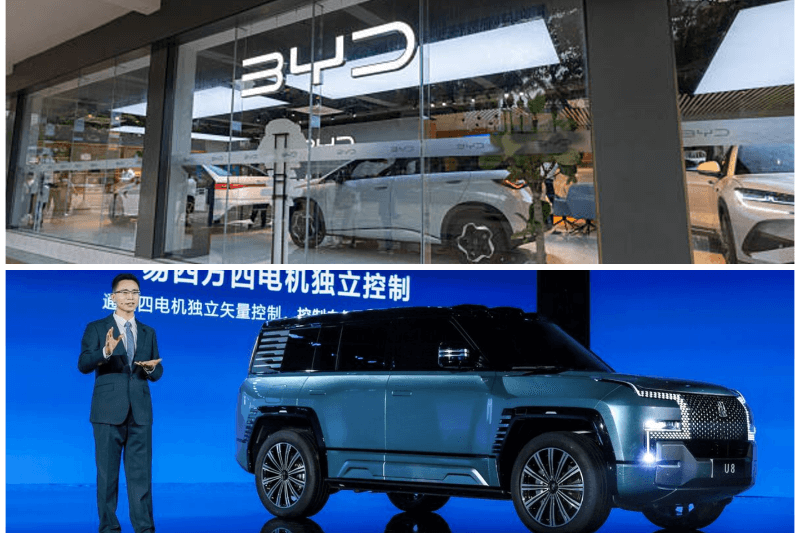
Morning traffic hissed along wet asphalt outside the launch venue. Inside, cameras clicked, screens lit up, and a familiar name took the stage. BYD’s new EV model arrived with the Super e-Platform message clear. China EV dominance stood there in metal and light. That’s how it felt anyway.
BYD’s Latest Launch Marks a New Era in Electric Mobility
The reveal ran on tight timing. Doors shut softly, a hush, then the covers came off. The car looked purposeful, not flashy, with clean surfaces and a planted stance. The pitch spoke to everyday use. Short charging stops. Stable range on a hot afternoon. Less fuss in winter. Small promises that matter at 7 am on a workday. The team framed it as practical progress that owners can feel in the first month. Sometimes it is the small habits that matter.
Inside the Super e-Platform: BYD’s Leap Toward Ultra-Fast Charging
| Item | BYD new EV (Super e-Platform) | Typical 800V rival | Real-world takeaway |
| System voltage | 1000V architecture | 800V class | Shorter stops, cooler running on hot days. That’s the point. |
| Fast charge add* | ~400 km in 5–10 minutes | ~300 km in 10–15 minutes | School run, office errand, quick top-up fits the day. |
| Battery type | LFP Blade pack | LFP/NMC mix | Safer chemistry, steady output, long cycle life. |
| Thermal control | Tight coolant channels, smarter heat pull-out | Standard plate loops | Less heat loss, kinder to cells in summer traffic. |
| Power electronics | SiC modules, compact routing | Mixed silicon setups | Higher efficiency, fewer wasted watts, calmer cabin fans. |
| NVH at 80 km/h | Low road roar, restrained motor whine | Mid NVH | Easier conversations, less fatigue on worn concrete. |
Han L and Tang L: Flagship Models Powering BYD’s Global Push
The Han L sedan looked long and low. Panels tucked in close. Seats gave firm support, not sofa-soft. The Tang L SUV sat tall, with wide rear doors and a straight load floor. Both felt ready for export studios and mall showcases. The interface kept menus short. Navigation loaded fast. Air vents resisted that cheap rattle at full blast. The boot shut with a solid thud that reporters always notice. Feels like real work sometimes.
These flagships are set to carry the new hardware into volume. Fleet buyers want predictability. Families want space and restraint. Urban drivers want a range that does not crumble in traffic. The lineup seems built for these everyday tasks. That’s the idea at least.
China’s Expanding Grip on the Global EV Market
China moved quickly on batteries, motors, and software integration. Tooling comes up fast. Costs drop. Suppliers sit an hour away by truck. The learning loops run short. New trims arrive in months, not years. Charging networks grow, even if unevenly. The result shows up on port schedules and dealer lots abroad. Fewer gaps, more trims, and pricing that pushes rivals to sharpen their pencils. Not everyone likes the shift, but the momentum is visible.
How BYD Surpassed Tesla and Redefined the Competition
Sales tallies see-saw each quarter, but the bigger change sits in product cadence and vertical depth. BYD cuts its own cells, packs them tight, and feeds platforms that reuse parts across models. That makes launches smoother and updates cheaper. Tesla still sets software benchmarks in many minds. BYD answers with scale and relentless iteration. Two different playbooks, same end goal. Faster rollouts, fewer compromises, calmer service bays. Feels almost like the smartphone cycle hit cars.
Impact of China’s EV Growth on Emerging Markets Like India
India watches price points closely. Heat and dust punish cooling systems. Long drives jump between crowded cities and patchy highways. BYD’s approach, if priced right, can unsettle the mid tier. Local players answer with service reach and brand comfort. Consumers test back seats, AC strength, suspension over broken patches. If the Super e-Platform holds its charge curve in May afternoons and keeps repairs simple, interest will grow. Plain truth. And service spares must land on time.
How BYD’s Technology Is Redefining Consumer EV Experience
Owners care about three things most days. How far the car goes, how fast it charges, how little it bothers them. BYD keeps nudging each lever. Lighter housings. Tighter software. Cleaner HVAC logic that does not blast when the car wakes. Smooth creep in traffic so ankles do not ache. Quiet at 80 kmph on worn concrete. Small bits that stack up over months. That’s where satisfaction hides, in quiet details nobody posts on social media.
Challenges Ahead for BYD and China’s EV Ecosystem
Nothing moves in a straight line. Tariffs bite. Certification sprints drain teams. Currency swings mess with margins. Reputation can wobble if one batch ships with a minor flaw that social clips amplify all week. Charging standards still tug in different directions. Grid peaks stress cities already sweating at dusk. BYD will need patience, spare capacity, and plain talk with regulators. And yes, thicker skin online.
FAQs
1) What is the Super e-Platform and how does it change daily charging routines?
A high-voltage setup that charges faster and runs cooler, cutting routine stop times during errands so quick weekday top-ups actually fit the day.
2) Which BYD models first carry this platform into showrooms outside China?
The Han L sedan and Tang L SUV lead exports, pairing the platform with quiet cabins, simple controls, and packaging suited to family and fleet use.
3) How does BYD’s approach differ from rivals focused on pure software leadership?
BYD leans on vertical integration and rapid hardware cycles, while software-led rivals balance costs and supplier chains across multiple regions.
4) What matters most for adoption in India where heat and traffic punish EVs?
Stable charge rates in hot weather, strong cooling, dependable service access, and fair pricing, since jams and rough roads stress cars daily.
5) What risks could slow the expansion even with strong demand signals?
Tariffs, certification delays, grid limits, and viral quality scares; steady suppliers, clear updates, and service depth decide rollout speed.

