Beyond the Strait: Why the Red Sea Crisis is a Global Economic Turning Point
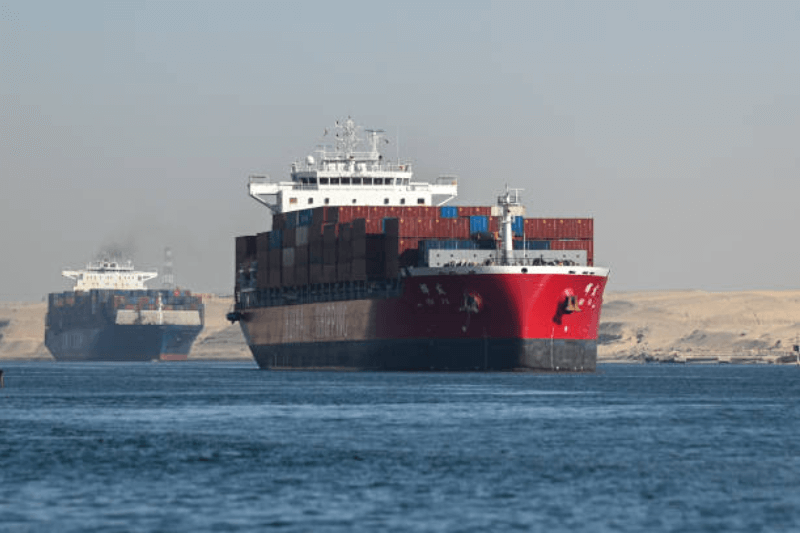
The idea of maritime security is frequently confused with that of a regional problem – something that navies can cope with the rest of the world spectators. However, what is happening in the Red Sea is not only a Yemen or a Middle East matter, but a direct stress test on the world economy. Once the Bab el-Mandeb Strait, which passes 12-15 percent of the world trade, is affected, the effects are not limited to the coastline. They strike energy markets, fuel shipping insurance and finally, end up in the pockets of the consumer.
The Red Sea is becoming the world’s most dangerous chokepoint.
— Ahmed Saleem Malik (@AhmedSaleem32) February 13, 2026
Attacks on commercial vessels are disrupting global trade, spiking insurance costs, and pushing oil prices higher.
When shipping lanes tighten, everything from fuel to food gets more expensive.
This isn’t a… pic.twitter.com/PYjCjbDDjF
The End of the “Regional” Conflict
The discourse of instability being encapsulated within national borders is officially over. What the world is currently experiencing is the escalation of local turbulence into an international threat to transportation by sea. The modern deterrence is not being tested with a low stakes, and the advanced naval powers are no longer merely patrolling, but actively involved. Here, we have the emergence of hybrid warfare, which is being employed by non-state actors through the utilization of drone-based technology and asymmetric warfare to shatter the bloodlines of international trade. It is a chilling fact that the low cost techniques, which are the ones small, may be used to keep the world on its knees, the most advanced logistics networks at ransom.
Supply Chains on Thin Ice
The past few years have taught us, maybe, that our supply chains are much weaker than we thought. Even an attack on a single chokepoint will cause rerouting across continents, weeks to transit time and millions of dollars in fuel. This is not merely a case of the delayed electronics, but an insidious energy security crisis. Maritime security is now inseparable with national energy stability, given that the Red Sea is very important as an artery of LNG and oil. The economic volatility is no longer being determined by market forces but as a result of the security conditions in the sea.
A New Era of Collective Responsibility
The complexity of these threats clarifies one thing, no individual nation can be able to have the global commons on its own. The answer is in a radical change of approach considered within international collaboration. We should also have strong coalition structures and real time intelligence information to sustain the trade. It is a more general discussion on the state of the world order- a warning that in the 21 st century, trade routes are not only necessary but a shared responsibility to protect.