Australia Faces Fuel Crisis: PM Albanese’s Urgent Address on Middle East War Impact
Australian Prime Minister Anthony Albanese spoke directly to the country about how the war in the Middle East has caused gas and diesel prices to skyrocket. He talked about what the government would do right away, like cutting the fuel tax in half, and he asked people to take steps to save fuel every day to help the country.
The Fuel Price Shock Gripping Australia
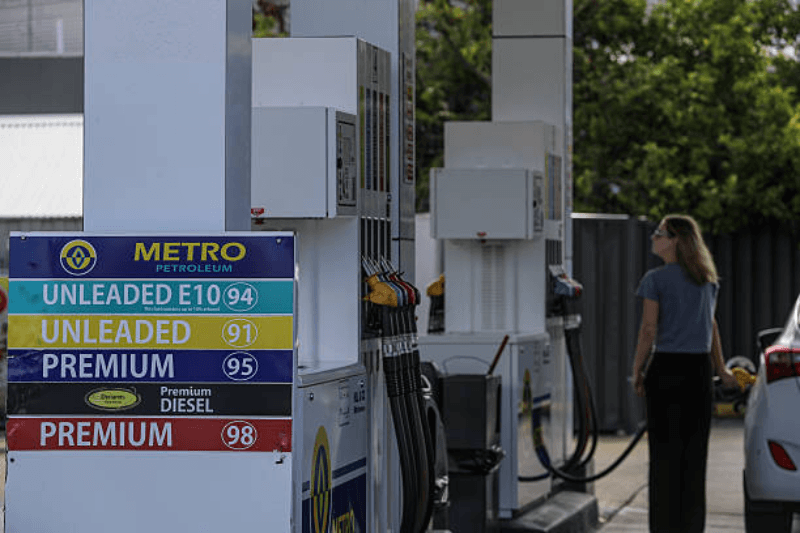
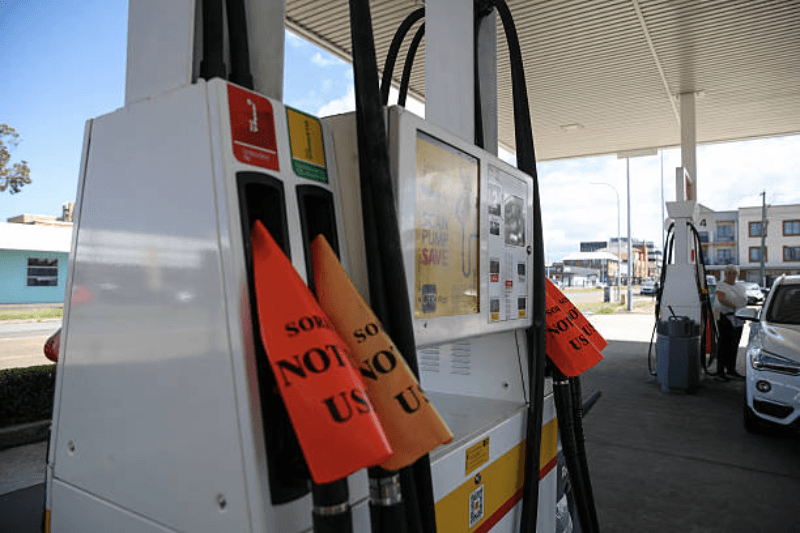
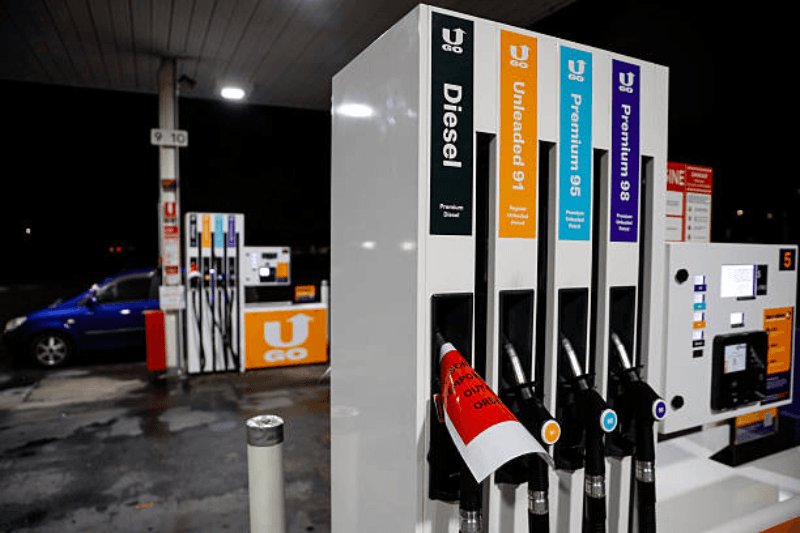
The war in the Middle East is causing the biggest rise in petrol and diesel prices in history, which is making life hard for Australians at servos and supermarkets. Even though they aren’t fighting, everyday people, farmers, truck drivers, and small businesses have to pay more for things because of the war. Albanese said that these economic effects will last for months and will affect families in both rural and urban areas.
National Cabinet’s Fuel Security Plan
On Monday, leaders came together under the National Cabinet to pass the National Fuel Security Plan. This plan makes sure that everyone is ready to respond if global problems get worse. This bipartisan effort puts Australia moving first by stockpiling fuel and using regional trade ties to bring in more gas, diesel, and fertilizer. It gets ready for long-term supply threats without getting scared.
Immediate Relief: Fuel Excise Slashed in Half
The government cut the fuel excise in half today, which means the tax is now 26 cents less per liter. You can already see the savings at the pumps. Truck drivers get a full break because heavy vehicle road usage charges are at zero for three months. The goal of these steps is to relieve immediate stress while increasing local production and reserves onshore.
Everyday Actions to Build Fuel Reserves
Albanese called on Aussies to pitch in the Australian way: Carry on normally, enjoy Easter, but fill tanks only as needed. Switch to trains, buses, or trams for work commutes to preserve diesel for essential users like farmers, miners, tradies, shift workers, and nurses. Community thinking strengthens national resilience.
| Fuel-Saving Tip | Who Benefits Most | Weekly Savings Potential |
| Use public transport | Truckies & farmers | 10-20L per commuter |
| Avoid overfilling tanks | Bush communities | Reduces demand by 5% |
| Carpool with neighbors | Small businesses | Cuts family fuel bill 30% |
| Plan efficient routes | Nurses & shift workers | Saves 2-5L daily |
Why the Middle East War Hits Australia Hard
Conflicts around the world stop oil from flowing, which raises prices around the world and puts pressure on Australia’s fuel supply, which relies on imports. Fertilizer shortages make things worse for farmers and raise food prices. Albanese was honest: No government can get rid of these problems, but working together keeps the worst from happening.
Long-Term Strategy for Fuel Independence
The main goals are to increase domestic refining, make sure regional supply deals are in place, and improve storage. The three-month tax cut gives these builds more time to get done, with the goal of becoming self-sufficient in the face of uncertainty. This combines short-term help with long-term protection.
Public Response and Unity Call
Aussies praised the candid tone, with many vowing to hop on public transport. Social media buzzed with #FuelForAussies, blending support for truckies and calls for more green energy. Albanese’s message fosters togetherness: Uncertain times demand looking out for each other.
Broader Economic Shields in Place
Beyond fuel, the address signals wider protections like cost-of-living aid and supply chain fortification. By prioritizing critical sectors, the plan keeps food, goods, and services flowing despite global shocks.
FAQs
1. What caused Australia’s record fuel price spike?
The Middle East war disrupted global oil supplies, raising petrol and diesel costs despite Australia not participating. Source: PM Albanese’s address.
2. How much is the fuel excise cut?
Halved, saving 26 cents per liter on petrol; heavy vehicle charges zeroed for truckies—both for three months. Source: National Fuel Security Plan.
3. What is the National Fuel Security Plan?
A bipartisan strategy to stockpile fuel, boost local production, and coordinate if supplies falter long-term. Source: National Cabinet decision.
4. How can everyday Aussies help save fuel?
Use public transport, avoid overfilling tanks, and think of essential diesel users like farmers and nurses. Source: PM’s direct call to action.
5. Will fuel prices stay high for months?
Yes, economic shocks from the war persist, but government measures aim to shield families and businesses. Source: Albanese’s address.
6. What’s next after the three-month tax cut?
More onshore fuel, regional imports, and reserve builds to handle ongoing global uncertainty. Source: Government strategy outline.
Summary:
In a national address, PM Albanese halves fuel excise by 26¢/L due to record petrol spikes from the Middle East war. National Fuel Security Plan launched, truckie charges zeroed. Citizens urged to save fuel via public transport for farmers & essential workers.