

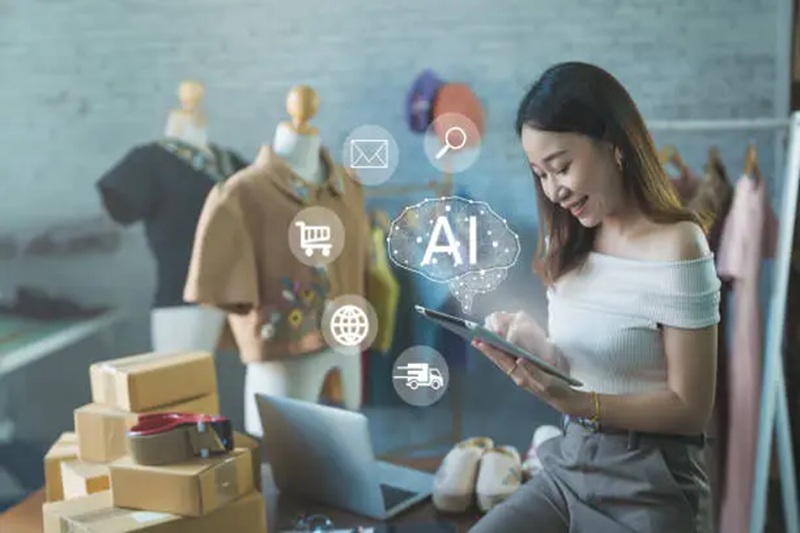
AI Shopping Assistants Are Changing Retail: What Consumers Can Expect Next
Imagine opening your favorite shopping app and seeing exactly what you need before you even begin browsing. That future is quickly becoming a reality as AI shopping assistants are transforming the way people browse, compare and buy products online. Artificial intelligence is transforming digital retail at a faster clip than many predicted, from personalized recommendations to instant product comparisons and virtual styling advice. Big retailers and tech companies are pouring billions into AI-powered shopping tools that make online shopping easier, more personal and more efficient. As competition heats up, consumers are entering a new era where AI is their personal shopping expert, available 24/7.
How AI Shopping Assistants Work
AI shopping assistants leverage advanced machine learning and natural language processing to grasp customer preferences, shopping habits, budgets, and interests. Instead of sifting through hundreds of products, shoppers can just ask things like “What’s the best laptop under $1,000?” or “Find me a blue summer dress for a beach vacation.” The assistant then analyzes thousands of products, reviews, prices and specifications in seconds to provide personalized recommendations. “Instead of the traditional search filters, AI can understand spoken language and even remember past purchases, making each shopping trip more personalized over time.
Retailers Are Racing to Adopt AI
The retail industry is going through a massive AI transformation. Companies such as Amazon, Walmart, Shopify , Google and Microsoft are introducing AI-powered shopping experiences to boost sales and enhance customer satisfaction Many online retailers now have AI chatbots that answer product questions instantly, while others use virtual assistants that recommend complementary products or tell shoppers about discounts. Generative AI is also helping retailers generate product descriptions, manage inventories, forecast demand and improve customer service. These improvements lead to lower operational costs and a better shopping experience.
What Consumers Can Expect Next
The next generation of AI shopping assistants will be even more conversational. In the future, AI tools will be able to:
- Compare prices in real time across multiple retailers.
- Create shopping lists tailored to the needs of your household.
- Suggest sustainable or eco-friendly alternatives.
- Offer augmented reality virtual try-on experiences.
- Automatically reorder everyday essentials before you run out.
- AI-powered verification to help shoppers avoid fake reviews.
Instead of just searching for products, consumers could soon be using AI to handle their entire shopping journey, from discovery to checkout.
Why It Matters
AI shopping assistants save consumers time, reduce decision fatigue and make online shopping more personalized. Buyers receive recommendations that suit their real needs, rather than spend hours comparing products. Retailers also benefit from enhanced customer engagement and higher sales. Better personalization tends to mean better customer loyalty and fewer abandoned shopping carts. But experts say transparency will still be key. Consumers are becoming more concerned about how companies collect and use their personal shopping data. Trust will be built on responsible AI development, clear privacy policies, and user control over personal information.
Keep Reading: Discover More Expert Insights, Health Breakthroughs & Inspiring Stories
1. What Drives Your Best Performance?
Discover your motivation type and learn practical ways to boost productivity, career growth, and long-term success.
2. Could Insulin Pills Change Diabetes?
Explore the latest research on insulin pills and what doctors say about the future of Type 1 diabetes treatment.
3. How Did She Lose Weight?
Check out how this influencer lost 15 kg, maintained it for five years, and still enjoyed pizza and burgers.
4. Why Is Vikram-1 Historic?
Explore how Skyroot’s Vikram-1 launch marked a major milestone in India’s private space journey.
5. Are You Protecting Your Hearing?
Discover simple daily habits that can help prevent hearing loss and support better hearing for years to come.
Economic and Industry Impact
AI shopping assistants are on the rise and will transform the global retail industry over the next decade. Smaller companies are also gaining access to low-cost A.I. tools that have traditionally been only for big corporations. This could help level the playing field by allowing independent retailers to offer highly personalized customer experiences. At the same time, jobs in customer service are evolving, not disappearing. Many companies today use A.I. to answer basic questions, allowing their human representatives to spend more time on complex customer needs. Industry analysts see AI as a standard feature of online retail, not a premium service, which means millions of consumers around the world will have access to personalized shopping.
Frequently Asked Questions (FAQs)
1. What are AI shopping assistants?
AI shopping assistants are software tools that use artificial intelligence to help consumers find, compare and purchase products in a more efficient manner.
2. Are AI shopping assistants secure?
The large retailers mostly have secure AI systems, but consumers should always check the privacy settings and be aware of how their shopping data is being collected.
3. Will AI replace humans in customer service?
Not really. Artificial intelligence handles routine questions while human representatives still handle more complex customer issues.

