

8 Food Safety Tips Every American Household Needs to Know in 2025
Every year, millions of Americans are afflicted with food-borne illnesses, and this problem is frequently caused by the mere missteps that occur at home. It may be as simple as improper storage or undercooked food, but it can lead to families becoming endangered by the simple habits. The food safety tips that have been proven assist in avoiding contamination, growth of bacteria, and keeping meals healthy. In a hectic family, one can easily forget basic things such as washing hands, adjusting the temperature, or expiry dates. Nevertheless, the most vulnerable people are safeguarded by the creation of a solid foundation of kitchen hygiene: children, seniors, and vulnerable people. In this guide, the fundamental practices will be broken down into easily digestible steps to ensure every household in America has a safer, cleaner, and more dependable food environment without causing any stress and misunderstanding.
Kitchen Hygiene and Smarter Storage
Wash Hands the Right Way
Wash your hands with soap and warm water for at least 20 seconds before and after touching food, particularly raw meat or eggs.
Avoid Cross-Contamination
Raw meat and vegetables should be cut with different cutting boards. It is among these underestimated food safety tips that help avoid the spread of bacteria such as Salmonella.
Keep Food in Temperatures that are safe
Fridges must never exceed 40°F (4 °C), and freezers must never exceed 0°F (-18 °C). Wrong temperatures promote the growth of the bacteria.
Check Expiry Dates
Check the use-by and the best-before labels. Eating food is dangerous despite its odor being good.
Cooking, Cleaning, and Everyday Habits.
Cook Food Thoroughly
Monitor the food inside the thermometer until it is safe. Proper cooking has been core to good food safety tips at home.
Reheat Leftovers Safely
Food that was previously heated must be heated again to a temperature of at least 165°F (74 °C) and not heated again.
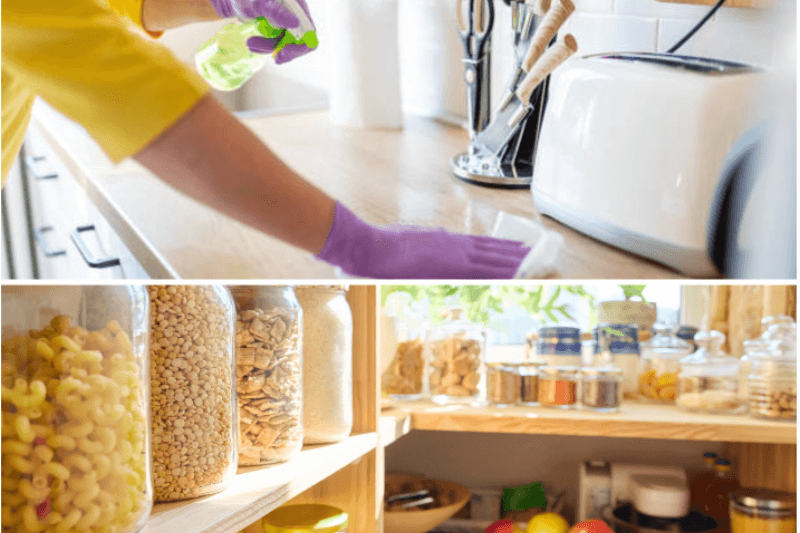
Clean Surfaces Daily
Clean up the kitchen counter, sink, and handles in appliances using disinfectant. Germs take a long time to die on surfaces touched frequently.
Don’t Wash Raw Meat
The splashing of water makes bacteria spread around raw poultry. The health authorities have supported this contemporary food safety tips guideline.
With the help of these food safety tips, American families might be much closer to eliminating the possibility of getting sick and having a much better meal with a lot less worry.

