Why Is My Eye Twitching? 4 Everyday Causes Behind Eyelid Spasms and How to Stop Them
That sudden flutter beneath your eye can be annoying, distracting, and sometimes a bit concerning. One moment everything feels normal, and the next your eyelid starts twitching for no clear reason. If you’ve ever asked yourself, “Why is my eye twitching?”, you’re definitely not alone. The good news is that most eye twitches are harmless and short-lived. In many instances, they’re related to daily habits and lifestyle factors instead of a serious medical issue. Knowing what’s causing the twitch can often help you make it go away quicker.
What Is an Eye Twitch?
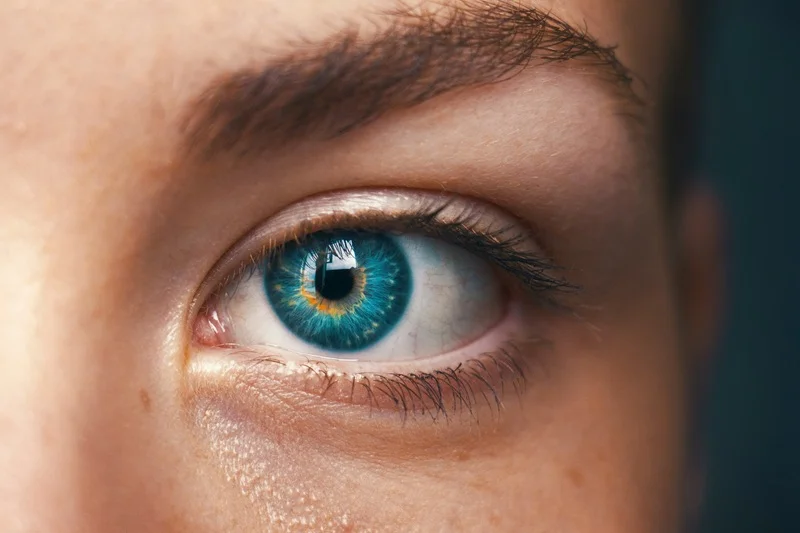
An eye twitch, which is medically called eyelid myokymia, is an involuntary muscle spasm in the eyelid. The twitch might last just a few seconds or happen at different times during the day. Although it can feel quite obvious, it is usually mild and often goes away on its own.
Stress Is a Common Trigger
Modern life has plenty of stress. Tight deadlines, money worries, family duties, and constant digital alerts can all affect the body. When stress increases, the body releases hormones that can overstimulate muscles, including the small muscles around the eyes. Many people notice eyelids twitching during highly stressful times. As stress levels drop, the twitching usually becomes less frequent or goes away completely.
Lack of Sleep Can Affect Eye Muscles
A bad night’s sleep is not just bad for morale. It can also affect how your muscles work. Your body needs rest, and if it doesn’t get enough, the muscles around your eyes can tire and be more prone to spasm involuntarily. Those who work night shifts, stay up late often or have trouble sleeping may notice eye twitching more than people with healthier sleep patterns.
Too Much Caffeine or Alcohol
That second cup of coffee may be doing more than just boosting your energy. Caffeine is a stimulant that can increase muscle activity and may cause eyelid twitching on occasion. Alcohol does the same thing , by affecting normal nerve and muscle function . If your eye twitch is due to increased caffeine or alcohol intake, reducing these can help to relax the muscles and reduce the symptoms.
Screen Time and Dry Eyes
A major reason why many people experience eye twitching is prolonged screen time. Staring at computers, smartphones and tablets for hours can put a strain on your eye muscles and reduce blinking. This may lead to dryness and irritation. Dry eyes are also a common cause of eyelid spasms. Contact lens wearers, the elderly and those who spend long periods of time in air-conditioned environments are particularly susceptible.
How to Make an Eye Twitch Stop
Most of the time the problem can be solved by simple lifestyle changes. Sleep more, take breaks from screens, drink water, limit caffeine intake and you can feel the difference. Exercise , meditation , or relaxation techniques may also help reduce twitching by managing stress . If dry eyes are a factor, lubricating eye drops can help relieve and restore comfort.
When Should You Be Concerned?
Most eye twitches are harmless, but there are times when you may need medical help. If the twitching persists for several weeks, causes your eyelid to close completely or is accompanied by redness, swelling, facial weakness or drooping, you should consult an eye specialist. Persistent symptoms may be an indication of an underlying condition requiring further assessment.