

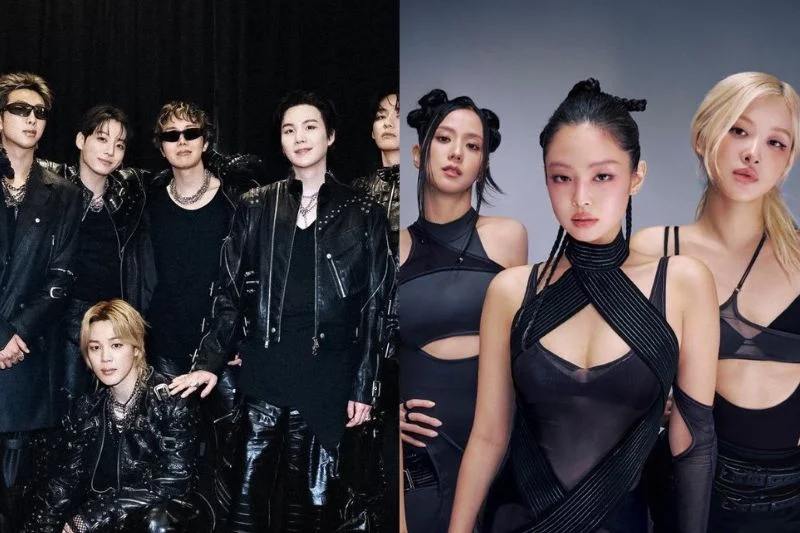
Why Is K-Pop Popular in North Korea? How Secret Fans Are Challenging Kim Jong Un’s Rule
In one of the world’s most isolated countries, a quiet cultural rebellion is taking place behind closed doors. Despite strict censorship, harsh punishments and the North Korean government’s relentless efforts to block foreign influence, many citizens are secretly watching South Korean dramas, listening to K-pop and sharing entertainment on smuggled USB drives and memory cards. The rising underground interest in North Korea’s popular K-pop has become more than just a music trend. Experts say it presents a subtle challenge to decades of state-controlled propaganda, and raises important questions about how culture can affect even the world’s most tightly controlled societies.
How K-Pop Reached North Korea
For decades, North Korea has banned most foreign entertainment, especially from neighboring South Korea. The government considers South Korean music, TV shows and fashion to be a threat to its political ideology. Yet South Korean media still seeps into the country via underground networks, despite the restrictions. USB drives, SD cards, DVDs and portable hard drives are routinely smuggled across the Chinese border, and then quietly shared among trusted friends and family. The proliferation of foreign entertainment has become increasingly difficult for authorities to completely stop as technology has become smaller and easier to hide.
Why Is K-Pop Popular in North Korea?
For North Koreans, K-pop is something they hardly get to see: a different way of life. Instead of military marches and political songs, K-pop is characterized by colorful performances, modern fashion, emotional storytelling and themes of love, friendship and personal dreams. The gap is especially stark for young North Koreans. Many defectors say that viewers get hooked on South Korean dramas first, then K-pop follows. Fans get curious about the artists, music videos and lifestyle they see on the screen. This curiosity begins to challenge the official narrative that South Korea is poor, unhappy or struggling under capitalism.
Kim Jong Un’s Government Is Fighting Back
Kim Jong Un’s government has tightened restrictions over the years, recognizing the growing influence of foreign culture. Authorities have increased inspections, passed stricter laws against consuming South Korean media and expanded surveillance across the country. People caught handing out or possessing banned material could be given long prison sentences, forced labor, or even harsher punishments, according to reports. Officials have also warned young people not to copy South Korean hairstyles, fashion trends or everyday language. These steps show how seriously the government takes cultural influence as a possible political threat.
Latest Developments: Secret Fans Continue to Grow
Researchers and groups tracking North Korea say there remains surprisingly resilient underground demand for South Korean entertainment despite increased crackdowns. A glance at recent interviews with defectors shows that many young people still manage to find creative ways to access K-pop, Korean dramas and foreign movies while carefully avoiding detection. Some families reportedly watch content only late at night, cover windows, or have someone watch for inspectors while others secretly watch videos. It is very hard to confirm what is happening inside North Korea but experts agree that foreign media is still getting through to people despite government attempts to ban it.
Why This Matters Beyond Entertainment
K-pop’s popularity in North Korea is about so much more than music. Foreign entertainment exposes North Koreans to new ideas about notions of freedom, consumer culture, education, relationships and everyday life outside of North Korea. This can change over time how people see their own society. Analysts say cultural influence often moves more slowly than political campaigns. Entertainment may not provoke immediate insurrection, but it surreptitiously rewires our perspectives, allowing us to measure competing realities against one another. This is an example of how cultural exports can be a form of soft power that crosses borders where diplomacy often cannot, to South Korea and the international community.
FAQ
1. Why is K-pop banned in North Korea?
The North Korean government sees South Korean entertainment as a threat to its political ideology because it exposes its citizens to different lifestyles and ideas.
2. How do North Koreans consume K-pop?
Most foreign media enters on smuggled USB drives, SD cards, DVDs and portable storage devices shared through underground networks.
3. Are people punished in North Korea for watching K-pop?
Yes. Reports say citizens caught watching or passing around banned South Korean media could face jail time, labor camps or other harsh penalties.
Discover More Trending Stories You Shouldn’t Miss
What Caused Venezuela’s Deadly Earthquake?
Explore the latest updates on the Venezuela earthquake, rising death toll, rescue efforts, and the impact on affected communities.
Why Is OpenAI’s AI Speaker Unique?
Discover how OpenAI’s first screenless AI speaker could redefine smart homes with its innovative AI-powered features.
Why Visit Thailand Beyond Luxury Travel?
Check why experiential tourism is making Thailand the top travel destination for authentic adventures in 2026.
What Makes StepX Neo Revolutionary?
Explore the features of StepFun’s StepX Neo, the world’s first agentic AI smartphone, and what sets it apart.
Who Stole The Odyssey Premiere Spotlight?
Discover the standout fashion moments as Zendaya, Anne Hathaway, Tom Holland, and the cast dazzled on the red carpet.

