

US-Iran Peace Talks: Mediators Push for Deal as Nuclear and Sanctions Disputes Persist
Seven months of war have rattled oil markets, cost thousands of lives, and left one of the world’s busiest shipping lanes in limbo. Now, behind closed doors, mediators are trying to get Washington and Tehran to agree on something. The US-Iran peace talks are moving again, but nobody is calling a deal close.
What’s Happening Right Now
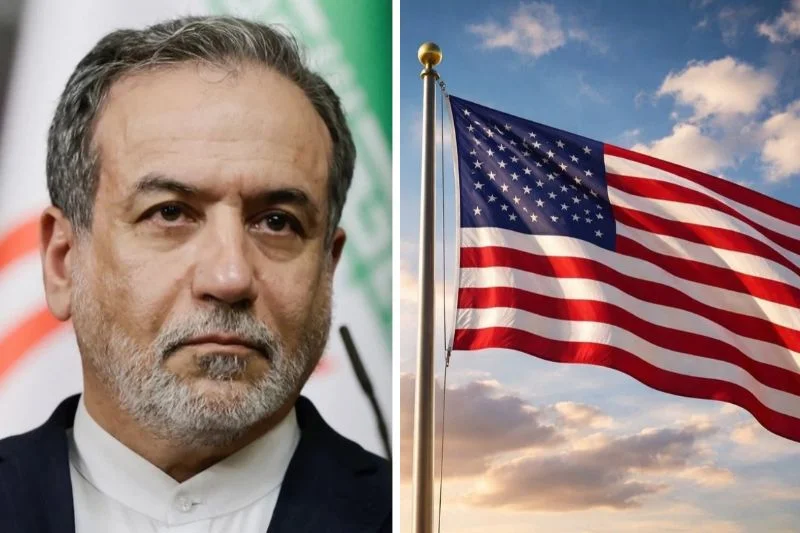
US and Iranian officials spoke separately with mediators on Monday as part of a renewed push to end the war. The two sides are not sitting across the table. Go-betweens, with Qatar prominent among them, carry messages back and forth. Iran’s foreign minister, Abbas Araghchi, met Qatari mediators in New York and said he expects Washington’s reply by Tuesday. He plans to fly home once it arrives.
Iran’s Offer, and Why Trump Said No (For Now)
Iran’s plan is a package deal on a tight clock. It calls for an end to hostilities in Iran and Lebanon, unfrozen Iranian assets, an end to oil sanctions, and the lifting of the US blockade on Iranian ports. Only then would Tehran reopen the Strait of Hormuz, a key route for oil tankers. Trump said on Saturday that he had rejected the proposal, arguing that Iran wants a fast deal because of the economic pressure it faces. But the door isn’t shut. Any further talks are expected to focus on an amended version of the seven-day plan. Officials also say the mediators’ framework would reopen the strait and lift the blockade first, with sanctions removed afterward.
The Sticking Points: Nuclear Program and Sanctions
The disagreement comes down to order of operations. Iran wants relief first: money, oil sales and ports. The US wants the nuclear question dealt with up front. One US official said the administration won’t reach a deal with Tehran until nuclear issues are addressed. Washington’s stated goal, per Reuters, includes seizing or eliminating Iran’s highly enriched uranium. Tehran’s plan only promises to resume nuclear talks after its economic demands are met. Put simply, each side is asking the other to move first. That’s why these talks stall.
A Familiar Pattern
This isn’t the first attempt. The two countries have already agreed to ceasefires twice through mediated talks, in April and June. Neither produced a lasting peace. The war itself began in late February with US and Israeli attacks on Iran.
Why It Matters Beyond the Region
Even if you never think about Iran, you feel this conflict. Multiple efforts to guarantee safe shipping through the strait have failed, and the war has caused global economic damage. When a major oil route is disrupted, fuel prices, shipping costs and inflation can all follow. There’s a human cost too. Thousands of people have been killed over seven months. For families in Iran and Lebanon, a deal isn’t a diplomatic abstraction.
Analysis: What to Watch
This section is analysis, not reporting. Three signals will show whether this round is different.
- Washington’s reply. A flat no ends the moment. A counteroffer keeps it alive.
- Sequencing language. If the US accepts some relief up front, or Iran accepts nuclear talks running in parallel, that’s real movement.
- The Hormuz question. Reopening the strait is the one step that would ease pressure on the global economy quickly, which gives both sides a reason to want it.
A senior US official says Trump is open to a non-military resolution if one can be achieved. Given how far apart the sides still are, though, cautious optimism is about as far as anyone should go.
FAQs
What are the US-Iran peace talks about?
They aim to end a seven-month war, reopen the Strait of Hormuz, and settle disputes over sanctions and Iran’s nuclear program.
Are the two countries negotiating directly?
No. Mediators are passing messages between them.
Why did Trump reject Iran’s proposal?
He argued Iran wants a quick deal because of economic pressure. US officials also say nuclear issues must be addressed first.
Stay updated with the latest US political developments and major stories shaping the headlines.
What Led To Caldwell’s Resignation?
Check out the investigation findings and developments surrounding Caldwell’s resignation.
What Happened At Trump-Xi Dinner?
Uncover the key moments, gifts, and unexpected events from the state dinner.
Why Are US Automakers Warning Trump?
Find out why automakers are urging restrictions on Chinese car companies.
Why Is Missouri Map Battle Back?
Dive into the latest Supreme Court dispute over Missouri’s congressional map.
Why Did US Renew Visa Sanctions?
Track down the reasons behind the renewed sanctions ahead of the UN Assembly.

