

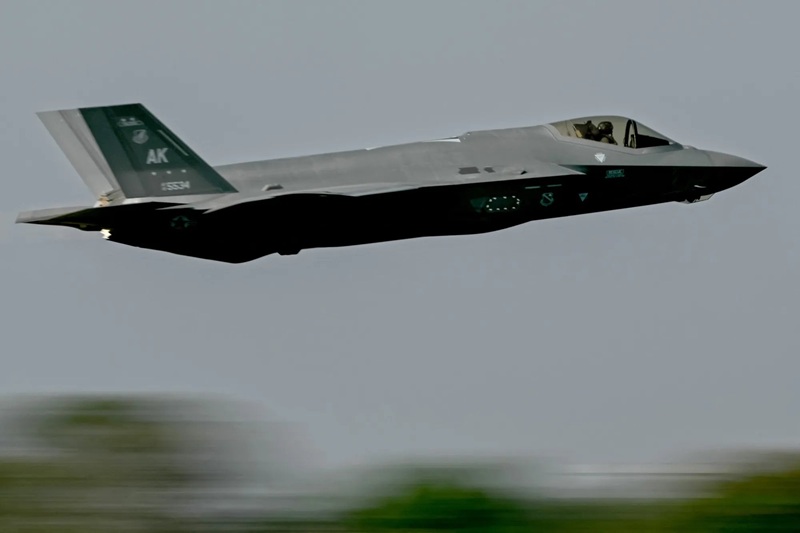
US F-35 Sale to Saudi Arabia: Why the $24.3 Billion Fighter Jet Deal Is Controversial
Saudi Arabia just moved a big step closer to owning some of the most advanced fighter jets on the planet and almost immediately, the questions started piling up.
On September 17, the U.S. government gave the green light to a potential $24.3 billion arms package that would send 48 F-35A Lightning II jets to Riyadh, along with 49 Pratt & Whitney engines, training, maintenance support, and the software and communications gear needed to actually run the aircraft. It’s a huge deal, in every sense of the word but “approved” doesn’t mean “done.” The sale still has to survive a congressional review before it becomes real.
What Saudi Arabia would actually be getting
The F-35 isn’t just another jet, it’s built to be nearly invisible to radar while carrying some of the most sophisticated sensors and precision weapons in the sky. For Saudi Arabia, bringing 48 of them into its fleet would mark one of the biggest leaps in its military capability in decades. The State Department’s pitch is straightforward: this strengthens Saudi defenses and makes it easier for the Saudi military to operate alongside U.S. forces if needed. But not everyone is convinced this is simple.
Israel’s shadow over the deal
For years, Israel has been the only country in the Middle East flying F-35s and that exclusivity isn’t an accident. U.S. law requires Washington to preserve Israel’s “qualitative military edge” over its neighbors. So the moment another regional power gets access to the same jet, people start asking whether that edge just got a little thinner. American officials insist the sale won’t tip the regional balance. Not everyone in the analyst community is so sure, and the debate over what this really means for Israel’s long-term position is likely to run right through the congressional review.
The China problem nobody can ignore
There’s also the matter of Beijing. Saudi Arabia has been steadily deepening its economic and strategic ties with China, and the F-35 is packed with sensitive American technology the kind the Pentagon really doesn’t want ending up in the wrong hands, even indirectly. That tension puts technology security squarely on the list of things lawmakers will be scrutinizing before anyone signs off.
Human rights won’t be an easy conversation either
Then there’s the political baggage. Reuters has reported that some members of Congress still have Jamal Khashoggi’s 2018 murder very much in mind when it comes to arms deals with Riyadh. The Trump administration has been pushing for closer military ties with Saudi Arabia, but lawmakers still have real tools to slow down or challenge a sale of this size if they choose to use them.
Why the timing isn’t a coincidence
None of this is happening in a vacuum. Saudi Arabia is dealing with fresh security threats tied to the conflict with Yemen’s Houthi movement on September 19, just two days after the sale was approved, a ballistic missile aimed at Riyadh was shot down by Saudi air defenses, according to Saudi officials and the AP. That kind of escalation tends to sharpen a country’s appetite for better defenses, and it’s also stoking worries about energy infrastructure and shipping lanes in the region. For the U.S., there’s an obvious upside too: closer military ties with a key Gulf partner, and a massive contract for Lockheed Martin and Pratt & Whitney.
So what happens now?
That $24.3 billion price tag is really just the estimated value of a proposed sale not a signed contract. It heads into congressional review next, and even if it clears that hurdle, actual deliveries are years away once you factor in production timelines and training. At its core, this isn’t really a story about fighter jets. It’s about how Washington juggles a handful of competing priorities at once: Saudi security concerns, Israel’s military edge, keeping sensitive tech out of the wrong hands, and the broader tug-of-war with China over influence in the Middle East. The jets are just where all of that tension happens to land.
FAQs
1. Has the US officially completed the $24.3 billion Saudi F-35 deal?
No. The US has approved the potential sale, but the proposal still requires congressional review and further steps before becoming a completed procurement contract.
2. How many F-35s could Saudi Arabia receive?
The proposed package covers 48 F-35A Lightning II aircraft and 49 F135 engines.
3. Why is Israel concerned about the deal?
Israel is currently the only Middle Eastern country operating the F-35. Critics of the sale are concerned about preserving Israel’s legally recognised qualitative military edge.
4. Why is China mentioned in the controversy?
Saudi Arabia has significant economic and strategic ties with China, raising questions in Washington about protecting sensitive F-35 technology.
5. Will the F-35s immediately change the regional military balance?
No. Even if the sale is completed, aircraft deliveries, training and infrastructure would take time. The longer-term impact would depend on how the aircraft are configured, operated and integrated into Saudi Arabia’s military.
Related Articles You May Find Interesting
Why Did Crypto Clarity Act Fail?
Check out the key reasons the cryptocurrency bill failed to advance in the US Senate.
Who Are Trump’s New Envoy Picks?
Find out about Wesley Hunt and Kimberly Greenwood’s new diplomatic appointments.
Why Did US Expand Iran Sanctions?
Uncover the networks targeted by the latest US sanctions over alleged support for Hezbollah and Iraqi militias.
How Could Financial Power Shape Markets?
Explore Scott Bessent’s views on using financial power as a foreign policy tool and its global impact.
What Happened in Turmus Ayya?
Dive into the US ambassador’s West Bank visit amid rising settler violence in Turmus Ayya.

