UAE, US Discuss Gaza Ceasefire Plan and Reconstruction Progress
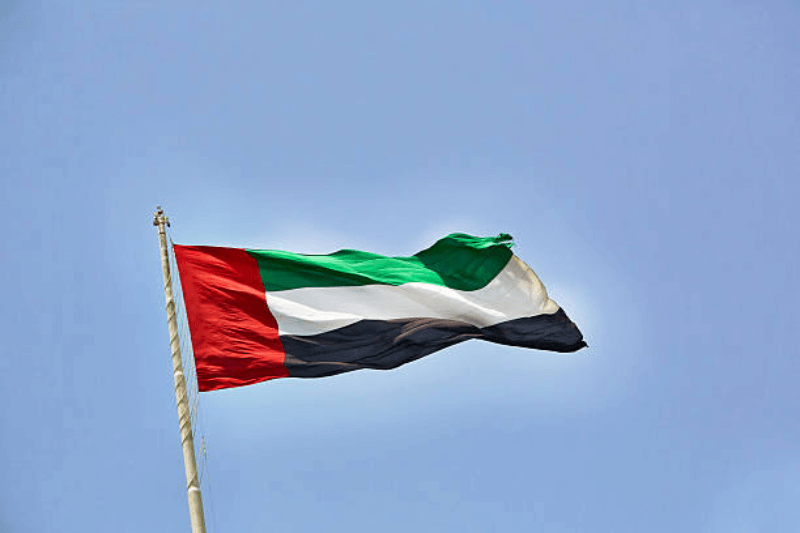
The meeting room in Abu Dhabi felt calm, but every sentence carried weight. UAE National Security Advisor Sheikh Tahnoun bin Zayed Al Nahyan met U.S. envoys Jared Kushner and Steve Witkoff to talk about Gaza — about keeping the ceasefire alive, about what comes next when the noise of war finally quiets down.
Both sides came with plans, papers, and that tired determination diplomats often wear after too many months of tension.
High-Level Talks in Abu Dhabi
The meeting wasn’t about formal speeches. It was quiet, detailed, almost businesslike.
- The agenda covered the Gaza ceasefire and the second phase of President Donald Trump’s 20-point plan.
- An international peacekeeping force in Gaza, possible disarmament of Hamas, and tighter humanitarian routes were discussed.
- Rebuilding power grids, hospitals, and schools stood at the center of the conversation.
- Both sides stressed visible action on the ground instead of more paperwork.
People close to the talks said the tone stayed measured, even when disagreements surfaced. “If the calm in Gaza can last a month, it can last a year,” one diplomat murmured after the meeting.
Focus on Strengthening the Gaza Ceasefire
The Gaza ceasefire may look stable on headlines, but the reality feels thin. Small clashes still flicker now and then. For both UAE and U.S. envoys, the mission now is not just to pause fighting — it’s to stop the rhythm of retaliation that always returns.
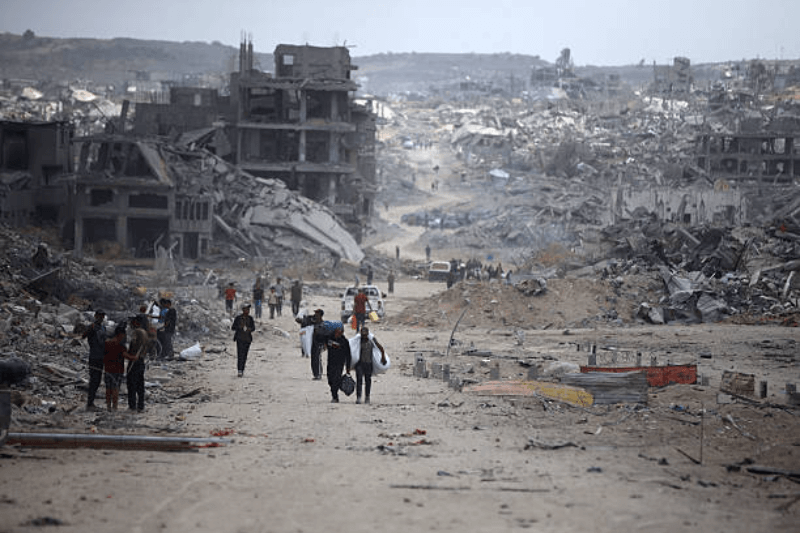
Food trucks have started to roll again. Power lines are slowly being repaired. The UAE delegation pushed for direct support to hospitals that had been without fuel for days. There was also discussion about reopening schools and helping displaced families return home.
Nothing about it is easy. One official said, “Peace sounds simple when you say it, but it breaks if people go hungry.” That line summed up the mood of the day — practical, a little weary, but not hopeless.
U.S. Push for Monitoring and Reconstruction
- The U.S. has opened a joint coordination center in southern Israel to oversee Gaza operations.
- Drones and satellite checks now track movement at key border points.
- American teams are linking up with relief agencies to avoid overlapping efforts.
- A review process is being drafted to keep both sides accountable.
This setup aims to prevent confusion that usually follows ceasefires — too many reports, too little follow-up. Washington wants data before decisions. That’s why every supply route, every delivery truck, is now logged and monitored. It sounds rigid, but as one American officer put it, “Better to count trucks than casualties.”
UAE’s Expanding Role in Peace Diplomacy
The UAE has grown into a steady hand in regional diplomacy. Instead of staying on the sidelines, it has stepped into rebuilding projects across Gaza. Engineers from Abu Dhabi have already helped restore local wells and clinics. Aid flights have resumed quietly.
Sheikh Tahnoun’s approach stays consistent: peace must show up in daily life. The UAE has also urged neighboring Arab states to join in rebuilding efforts so that recovery doesn’t rest on a single donor. The tone from Abu Dhabi is clear — stability needs teamwork, not competition.
Observers say this shift from symbolic diplomacy to hands-on assistance gives the region a new rhythm. Less talk, more work. One veteran analyst said the UAE treats peace “like construction” — laying one brick after another until the structure starts to hold.
Challenges to Sustaining the Truce
- Internal disputes among Palestinian factions remain unresolved.
- Some Israeli officials worry about outside monitoring near their borders.
- Donor fatigue grows as costs of rebuilding rise.
- Fuel and supply delays still frustrate aid convoys.
- Every small flare-up risks undoing weeks of dialogue.
These issues keep everyone cautious. The ceasefire may hold, but trust hasn’t yet. Still, diplomats say momentum matters more than perfection. As one UAE official noted quietly, “We’ll keep fixing leaks until the roof stays.”
What Lies Ahead for Gaza’s Recovery?
In the coming weeks, more talks are expected to finalize the reconstruction plan. The UAE may manage logistics and rebuilding contracts, while the U.S. continues monitoring progress. Both sides seem aware that the real work happens far from news cameras — in dusty sites, in long queues for food, in the slow hum of machines restarting power.
For now, the silence over Gaza feels fragile but real. And that, in itself, counts as progress.