

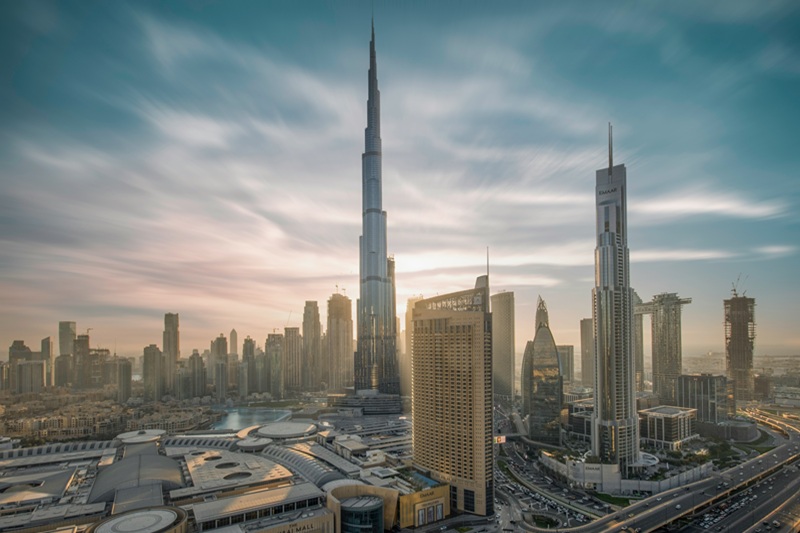
Why a Nation’s Values Matter More Than Its Skyline: What the UAE’s Development Model Shows the World
Modern cities are often judged by their towering skylines, advanced technology, and economic success. Yet history suggests that lasting prosperity depends on something less visible: shared values, cultural identity, and a sense of national purpose. As countries around the world navigate rapid globalization, the challenge is no longer simply achieving growth, it is ensuring that progress does not come at the cost of heritage and social cohesion. The United Arab Emirates (UAE) is frequently highlighted in discussions about balancing modernization with tradition. Over the past five decades, the country has transformed into one of the world’s leading economic and innovation hubs while continuing to emphasize the importance of preserving its cultural roots.
Growth Built on Vision and Unity
When the UAE was founded in 1971, the country’s leadership faced the enormous task of uniting seven emirates with a shared vision for the future. Under the guidance of Sheikh Zayed bin Sultan Al Nahyan, national development was closely linked with principles such as unity, education, environmental stewardship, and respect for Emirati traditions. Rather than pursuing economic expansion alone, the country’s long-term strategy focused on creating institutions, investing in people, and building a strong national identity. These priorities helped establish a foundation that supported both stability and sustainable growth. Today, many observers point to this early vision as one of the reasons behind the UAE’s continued resilience in an increasingly competitive global economy.
Continuing a Long-Term National Vision
The country’s development has continued under the leadership of Sheikh Mohamed bin Zayed Al Nahyan, whose administration has emphasized innovation, advanced technology, renewable energy, education, and economic diversification. Alongside these initiatives, the UAE has maintained a strong focus on cultural preservation, community values, and social stability. Museums, heritage sites, language initiatives, and cultural festivals continue to receive attention even as the country invests in artificial intelligence, space exploration, and digital transformation. This combination reflects an approach in which modernization is viewed not as a replacement for tradition, but as an extension of it.
Why Cultural Identity Still Matters
Globalization has connected economies and societies more than ever before, but it has also raised questions about preserving national identity. Experts in public policy often argue that countries with strong social cohesion are better equipped to adapt to economic and technological change. Shared values can strengthen public trust, encourage civic participation, and create a sense of belonging during periods of rapid transformation. The UAE’s experience suggests that development is not measured solely by infrastructure projects or financial indicators. Equally important are investments in education, culture, community engagement, and long-term national planning.
Keep Reading: Discover More Expert Insights, Health Breakthroughs & Inspiring Stories
1. What Drives Your Best Performance?
Discover your motivation type and learn practical ways to boost productivity, career growth, and long-term success.
2. Could Insulin Pills Change Diabetes?
Explore the latest research on insulin pills and what doctors say about the future of Type 1 diabetes treatment.
3. How Did She Lose Weight?
Check out how this influencer lost 15 kg, maintained it for five years, and still enjoyed pizza and burgers.
4. Why Is Vikram-1 Historic?
Explore how Skyroot’s Vikram-1 launch marked a major milestone in India’s private space journey.
5. Are You Protecting Your Hearing?
Discover simple daily habits that can help prevent hearing loss and support better hearing for years to come.
Lessons for a Changing World
Each country has its own path, shaped by its own history, geography and social priorities. But one take-away from international development debates is that sustainable progress is about more than economic performance alone. Countries that can strike a balance between innovation and heritage may be better placed to sustain social stability amid future challenges. Preserving heritage doesn’t have to slow down modernization; often it can shore up the foundations for future growth. Today, as countries across the world seek models of inclusive, sustainable development, the conversation is increasingly about how economic ambition can go hand in hand with identity, values and community well-being.
FAQs
Why should we have a cultural identity for national development?
A strong sense of cultural identity can foster social cohesion, build trust within communities and help societies adapt to change while protecting their heritage.
How has the UAE reconciled modernity and tradition?
The UAE continues to support cultural preservation, heritage initiatives and community development, but has also invested heavily in technology, education, infrastructure and economic diversification.
Why is the UAE often discussed in global development conversations?
The country’s rapid economic transformation, coupled with long-term investments in innovation and national identity, has made it a prominent case in discussions about sustainable development.

