

New Syria Crisis Tests US-Israel Ties as Washington Pushes for De-escalation
There’s a new flashpoint in the Middle East, and this time it’s putting real pressure on the US-Israel relationship. After Israel bombed a Syrian military airbase this week, the White House did something it doesn’t do often: it pushed back on its closest regional ally, publicly and pointedly.
What happened
On August 18, Israeli jets hit the Abu al-Duhur airbase in northwestern Syria, not far from Aleppo and the Turkish border. The strikes tore up the runway and hit several storage sites. Remarkably, no one was reported killed.
Israel’s reasoning: they were worried Turkey might be about to station troops there, and they weren’t willing to let that happen quietly. From their perspective, a Turkish military foothold close to the border could shift the security balance in ways they’re not comfortable with. Turkey wasn’t having its officials there condemn the strikes outright. Syria’s government called it exactly what you’d expect: a violation of their sovereignty.
Washington isn’t happy either
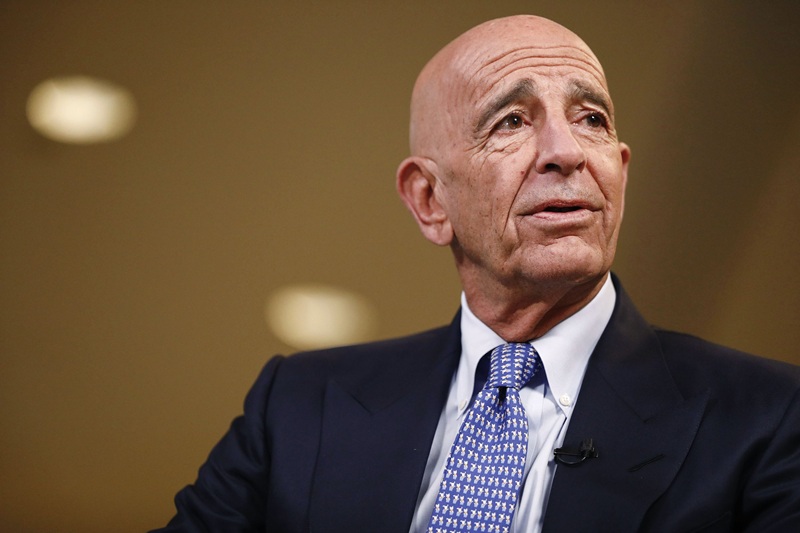
What’s notable here is how bluntly the US responded. Tom Barrack, the special envoy handling Syria policy, didn’t mince words; he said Washington was “deeply concerned” and called the strikes an escalation that serves no one’s interests in terms of regional stability. Behind the scenes, US officials are now trying to build some kind of deconfliction system, basically a hotline setup between Israel, Syria, and Turkey so that troop movements or military activity don’t accidentally spiral into something bigger. Barrack’s pitch is that a lot of these flare-ups come down to miscommunication, and a working channel could head off accidental clashes before they happen.
Why this is bigger than one airstrike
Zoom out, and this is really about Syria’s fragile recovery. Since Assad’s government collapsed back in December 2024, Syria has been trying to rebuild its institutions, its economy, its own security forces while millions of displaced people slowly make their way home. The UN has been warning for a while now that renewed instability could knock that recovery off course entirely. Israel’s not backing down from its own logic, though. It’s still watching for threats coming out of Syrian territory and says it’ll keep acting to protect its borders, regardless of who’s uncomfortable with that.
Then there’s Turkey, which has become one of the biggest backers of Syria’s new leadership, helping rebuild parts of its military. So now you’ve got three countries Israel, Turkey, and Syria each with their own security interests, all overlapping in the same space. That’s a hard triangle to manage diplomatically.
A relationship under strain
This isn’t coming out of nowhere. The US has spent months quietly pressing Israel to scale back its military footprint in Syria, arguing that constant strikes and operations only add fuel to an already unstable situation. Israel’s counterargument hasn’t changed: waiting around while a threat develops isn’t really an option for them. That’s the core tension. Washington is stuck managing how do you back your ally’s security concerns while also trying to stop them from doing the exact thing that keeps destabilizing the region you’re trying to calm down?
Stay informed with these stories shaping global headlines and raising new questions.
Could Hormuz Tensions Trigger Wider Crisis?
Check out the latest developments surrounding the US naval blockade of Iran and rising Strait of Hormuz tensions.
What Happened to Italy’s Renaissance Treasures?
Uncover the shocking museum heist involving four priceless Renaissance masterpieces stolen from Italy.
Why Did Police Investigate Elderly Man?
Find the details behind the Singapore assault investigation following an elderly man’s interaction with a child.
Why Did Trump Cut Military Exercises?
Browse the latest developments after Trump ordered a substantial reduction in joint military exercises.
What Does France’s Muslim Brotherhood Report Reveal?
Explore France’s new report and the questions it raises about Islamist networks across Europe.
WhatsAppTwitterFacebookPinterestRedditGmailShare
What comes next
In the short term, the priority is avoiding another direct Israel-Turkey confrontation on Syrian soil especially as Turkey’s role in the country keeps growing. If that communication mechanism actually gets up and running, it could genuinely reduce the odds of something spiraling by accident. But the bigger disagreement isn’t going anywhere. Israel wants hard security guarantees. Syria and Turkey want control over their own territory and military decisions without outside interference. Those two positions don’t have an obvious middle ground. And it’s ordinary Syrians who have the most to lose here. After years of war and displacement, another round of regional conflict could set back a recovery that’s already fragile, possibly for a long time. At its core, this isn’t just about one airstrike. It’s a real test of whether the US can talk its closest ally into restraint without abandoning its security concerns altogether and whether Syria can avoid becoming the next stage for a much bigger regional power struggle.
FAQs
1. What caused the latest Syria crisis?
The latest escalation followed Israeli airstrikes on the Abu al-Duhur airbase in northwestern Syria, reportedly linked to concerns over a possible Turkish military deployment.
2. Why is the US concerned about the Israeli strikes?
Washington says the strikes risk unnecessary escalation and could undermine regional stability while Syria is attempting to recover from years of conflict.
3. What is the US deconfliction mechanism?
It is a proposed communication system involving Israel, Syria and Türkiye designed to prevent misunderstandings and accidental military clashes.

