

Chemical Arms Evidence Brings Sudan’s Military Under Renewed Global Watch
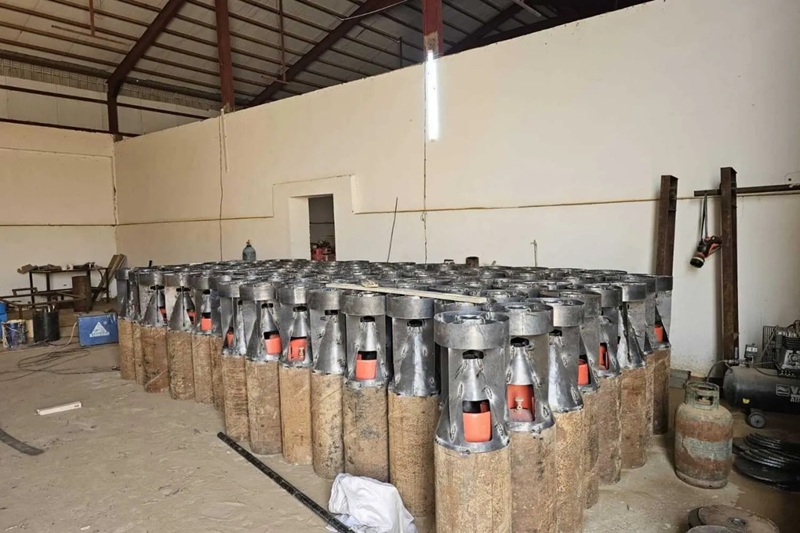
Reporting has put allegations of chemical weapons use by the Sudanese Armed Forces back at the centre of scrutiny. On September 5, 2026, The New York Times and The Washington Post published separate investigations based on intelligence files, videos, photographs, messages and technical material concerning an alleged chlorine-weapons programme linked to Sudan’s military. The reports do not replace an on-site international investigation, but they add material to allegations that had already prompted United States sanctions.
Sudanese officials have repeatedly denied developing or using chemical weapons. Washington, however, formally determined in April 2025 that Sudan’s government had used chemical weapons in 2024. The question now is whether the new evidence can be independently tested through recognised verification procedures.
Key Points:
- Both investigations describe an alleged SAF-linked programme involving chlorine-based munitions during 2024.
- The Washington Post reported messages referring to as many as 290 chemical munitions, while noting visual evidence alone cannot conclusively establish a stockpile.
- US sanctions expanded in July 2026, affecting financing, exports and state-owned aviation.
- Sudan rejects the allegations, while international attention may rise ahead of the UN General Assembly.
What Do The New York Times & other International Investigations Allege?
The New York Times investigation, “Secret Dossier Adds to Evidence of Chemical Weapons in Sudan”, describes a dossier supplied by a Middle Eastern intelligence agency. According to the report, the material portrays a Sudanese military unit developing and producing chlorine-based bombs over roughly six months in 2024 for possible use against the Rapid Support Forces.
The Washington Post offers a separate body of material. Its report says internal documents, videos and communications point to hidden production sites, desert testing and a possible stockpile. The Post also reported messages suggesting some officers discussed using gas to force opponents from fortified positions.
Both investigations connect the allegations to senior military structures, but neither newsroom had unrestricted access to suspected sites. Intelligence files can be persuasive without being identical to evidence collected under an international inspection mandate.
What Evidence Has Been Reported And What Remains Unproven?
The public evidence described includes bomb designs, photographs of improvised munitions, videos showing yellow-green plumes during alleged tests, audio, text messages and references to chlorine cylinders. The Washington Post said digital-forensics specialists examining key media found no signs of manipulation. Those checks support the authenticity of material examined, but do not prove every claim about where, when or why it was recorded.
The report said some chlorine may have originated in civilian water-treatment supplies. UNICEF told the newspaper it had supplied chlorine for water purification in Khartoum State but had no record of UNICEF-provided chlorine being diverted or misused. Chlorine is used for sanitation, so possession alone does not establish a weapons programme.
What Would Independent Verification Require?
A stronger evidentiary chain would involve access to alleged attack and storage locations, secure environmental and biomedical sampling, documented chain of custody, witness interviews, weapons remnants and laboratory analysis. Investigators would also need to distinguish chlorine exposure from other battlefield hazards and link any prohibited use to responsible units or commanders.
Sudan joined the Chemical Weapons Convention in 1999. The treaty prohibits States Parties from developing, producing, stockpiling or using chemical weapons, while the OPCW can respond to alleged use through established Convention procedures.
How Have The United States And International Bodies Responded?
The US response predates this week’s investigations. A State Department determination published in the Federal Register said the Government of Sudan used chemical weapons in violation of international law in 2024. Initial sanctions took effect in June 2025.
A second sanctions round became effective on July 20, 2026, after Washington said Sudan had not met conditions required under the Chemical and Biological Weapons Control and Warfare Elimination Act. Measures included US opposition to certain multilateral development-bank assistance, tighter export restrictions, and action against state-owned Sudanese airlines operating to or from the United States.
The US Treasury has separately sanctioned individuals and entities linked to weapons procurement by both sides. In June 2026, Treasury targeted eight individuals and entities connected to procurement and recruitment networks, including an SAF-linked company and its managing director.
The OPCW has said it monitors allegations concerning Sudan. Its public guidance explains that the Convention provides routes for formal investigation and emergency assistance. Publicly available material, however, does not yet amount to a published OPCW finding attributing chemical-weapons use in these incidents to the SAF.
What Comes Next For The Sudan Chemical Weapons Allegations?
The immediate test is whether the new reporting produces diplomatic pressure for access, declarations, inspections or another verification process. Sudan’s cooperation with the OPCW would provide a route for testing claims against physical evidence rather than relying only on intelligence dossiers and media investigations.
The issue arrives as Sudan’s wider war remains under scrutiny. A UN fact-finding mission reported in early September that foreign military support and drone warfare continue to fuel abuses by the SAF and RSF. Chemical-weapons allegations therefore sit inside a broader accountability debate involving civilian protection, external arms flows and possible war crimes by multiple actors.
For governments, diplomats and media organisations, careful language is essential. The US government has made a formal chemical-weapons determination, two major newspapers have reported extensive supporting material, and Sudan denies the allegations. Those facts can stand together until an independent international process provides a fuller public record.
FAQs
Has Sudan been officially accused of using chemical weapons?
The United States determined Sudan used chemical weapons in 2024, while Sudanese authorities deny it.
Which chemical agent is central to the allegations?
The reporting centres on chlorine-based munitions produced and deployed by Sudanese military-linked personnel during 2024.
Has the OPCW confirmed SAF responsibility?
The OPCW has monitored Sudan allegations, but public material shows no independent attribution finding yet.
What sanctions has the United States imposed?
US measures restrict financing, exports and state-owned aviation, alongside earlier sanctions targeting Sudanese military-linked actors.
What evidence could strengthen independent verification?
Site access, environmental samples, medical records, chain-of-custody evidence and witness testimony would strengthen independent verification.
What’s Making Headlines You Can’t Miss?
Could Hoekstra Face Expulsion From Canada?
Check out why thousands of Canadians are demanding action against the US ambassador.
Who Is Martina Strong, Really?
Uncover the diplomat’s UAE appointment and the political delays surrounding her confirmation.
Why Did Clancy’s Jury Deadlock?
Find out what led to the mistrial and why the jury couldn’t reach a verdict.
Why Is Lake Ontario Renamed?
Browse what Apple Maps’ surprising “Lake America” change means and why it happened.
Which Haunted Hotels Should You Visit?
Experience five spooky American hotels known for paranormal encounters and eerie stays.

