Senator Sharon Keoghan’s Call for a Probe into the Muslim Brotherhood: A Wake-Up Moment for Europe
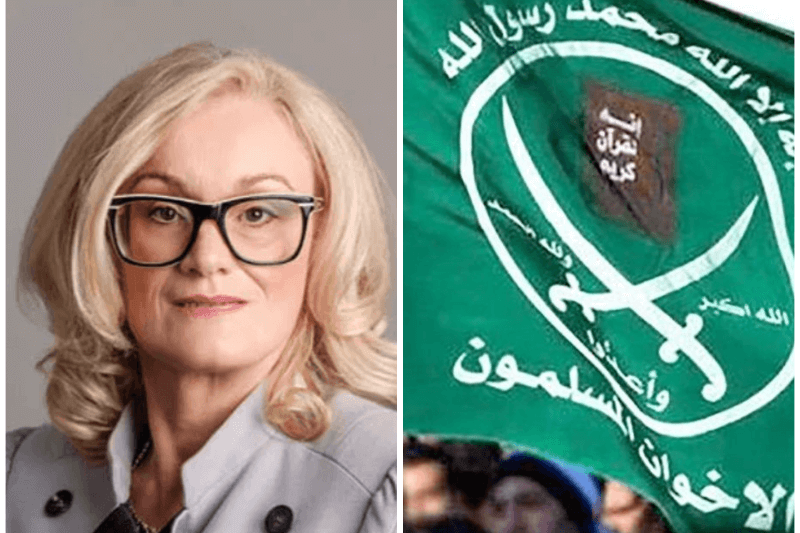
Independent Irish Senator Sharon Keoghan has urged her government to launch a comprehensive investigation into the influence of the Muslim Brotherhood within Ireland — a move that has resonated across European media and reignited a larger conversation about ideological extremism on the continent. Her statement, made amid rising public concern over Islamist political networks, marks one of the most assertive calls yet for vigilance against transnational ideological infiltration in Western democracies.
Ireland’s Debate on Religious and Political Boundaries
The call for an inquiry comes in the wake of demonstrations over the closure of the Islamic Centre in Dublin (Clonsea Mosque), which authorities have linked to concerns about governance and ideological influence. Senator Keoghan warned that Ireland risks “allowing the Muslim Brotherhood to flourish unnecessarily” if it fails to act decisively.
Her remarks were swiftly picked up by several European news outlets, including The Liberal (Ireland), El Confidencial Digital (Spain), Nordest24 (Italy), Quotenmeter (Germany), FrenchHub (France), and Vaken (Sweden). The widespread coverage underscores how the issue of Islamist influence is no longer viewed as a national concern but a continental one.
In her statement, Keoghan stressed that Ireland’s traditionally inclusive and tolerant society must remain alert to groups whose political ideologies may exploit freedom of religion to advance divisive agendas. Her stance echoes a growing sentiment among European policymakers — that tolerance must not become a gateway for extremism.
European Resonance: From National Inquiry to Continental Dialogue
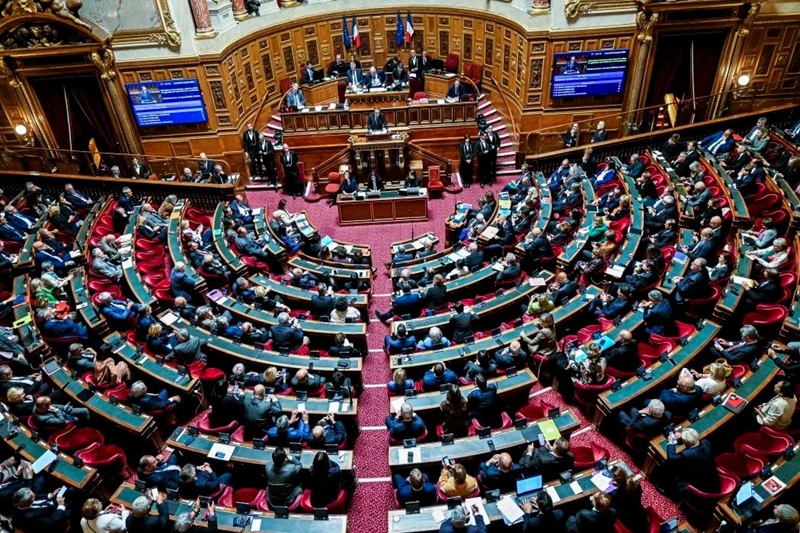
The Irish senator’s appeal for a domestic investigation has triggered interest in other European capitals, many of which are already grappling with questions of social cohesion and integration. From France’s ongoing debate on “Islamist separatism” to Germany’s scrutiny of Islamic organizations’ foreign funding, the call aligns with wider continental trends seeking to delineate religious freedom from political manipulation.
European governments have historically adopted varied approaches — some focusing on surveillance and counter-extremism programs, others emphasizing integration and dialogue. Yet, Senator Keoghan’s argument introduces a new layer: the need for institutional inquiry. By urging a formal probe, she seeks not only to assess influence but also to ensure transparency, accountability, and the safeguarding of Ireland’s civic space.
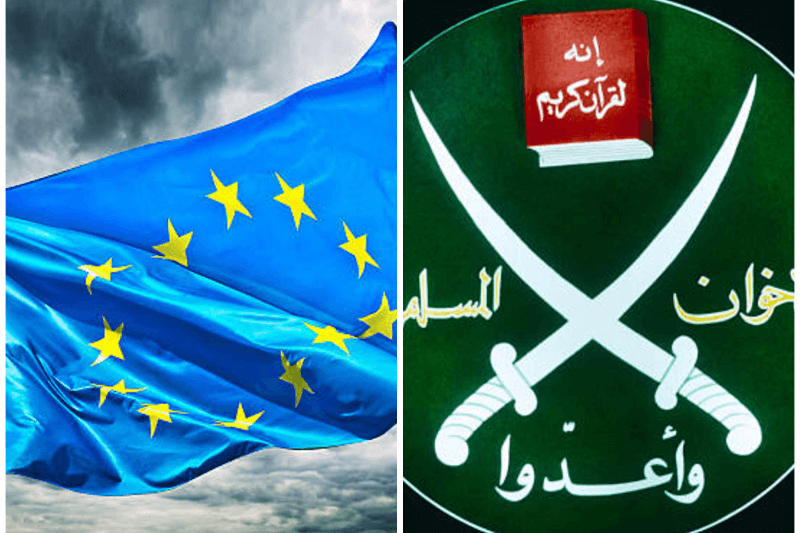
This has amplified across European media platforms, stimulating policy discussions about whether similar inquiries should be launched in other countries. The tone of the coverage reflects growing consensus that the ideological reach of the Muslim Brotherhood merits coordinated EU-level attention.
A Turning Point for European Awareness
Senator Sharon Keoghan’s initiative symbolizes a turning point in Europe’s conversation about ideological extremism. It suggests that Ireland, traditionally seen as peripheral to such debates, may become a pivotal arena for understanding how transnational movements operate under the radar of liberal democracies.
Her call is not merely about Ireland; it is a call for Europe — for transparency, vigilance, and collective responsibility. As more European countries take note, the discussion is likely to expand from isolated reports to structured policy debates at the EU level.
Ultimately, this moment reflects a broader realization: that defending pluralism requires clarity about where religion ends and political manipulation begins.