Muslim Brotherhood Texas Debate Intensifies Over Security, Education and Religious Freedom
A fierce debate is taking place in Texas over concerns about ideological influence, religious freedom, and national security, and it is quickly gaining national attention. At the heart of the controversy is a recent report from the Gatestone Institute titled “The Muslim Brotherhood’s War to Destroy the United States from Within.” The article claims that the Muslim Brotherhood, an Islamist movement founded in Egypt nearly a century ago, is pursuing a long-term strategy to reshape Western societies through social, educational, and political influence instead of direct confrontation. Supporters of the report argue that the concerns are valid and deserve public attention. Critics, however, caution that sweeping accusations could increase fear and suspicion toward Muslim communities across the United States. The debate is especially heated in Texas, where issues related to community developments, youth outreach programs, and state government actions are clashing in a politically charged environment.
Inside the Document Fueling New National Security Concerns
One of the main points in the report is a 1991 document often called the Muslim Brotherhood’s “Explanatory Memorandum.” Critics have long used this document as proof of what they describe as a “civilizational jihad” strategy. This strategy suggests that ideological influence can slowly change Western institutions from the inside. The report claims this influence works through education, media, civil society organizations, and political involvement. The article states that the threat to Western democracies is not just about violent extremism. “The threat is not only violent extremism; it is the gradual influence of ideological networks within education, media, civil society, and politics,” the report says. Security analysts who share this view argue that modern ideological movements often use soft power, cultural influence, and participation in institutions instead of direct violence. Others argue that these claims can be too broad and risk grouping mainstream Muslim organizations with extremist groups.
Why Texas Is at the Center of the Growing Controversy
Texas has become a key topic in these discussions due to its rapidly growing Muslim population, expanding Islamic institutions, and large community projects. The report highlights the rise of religious organizations and community networks throughout the state. Critics argue that these developments might lead to social structures that operate separately from wider American life. “Texas has become a focal point in the debate over ideological influence, community enclaves, and the limits of religious freedom,” the article states. Supporters of Muslim-led projects completely reject these claims. They argue that faith-based communities are common across the United States and are protected under constitutional rights related to religion, property ownership, and freedom of association. Civil liberties advocates caution that political discussions about these projects can sometimes mix legitimate security concerns with religious discrimination.
Greg Abbott’s Crackdown Pushes the Debate Into the Political Mainstream
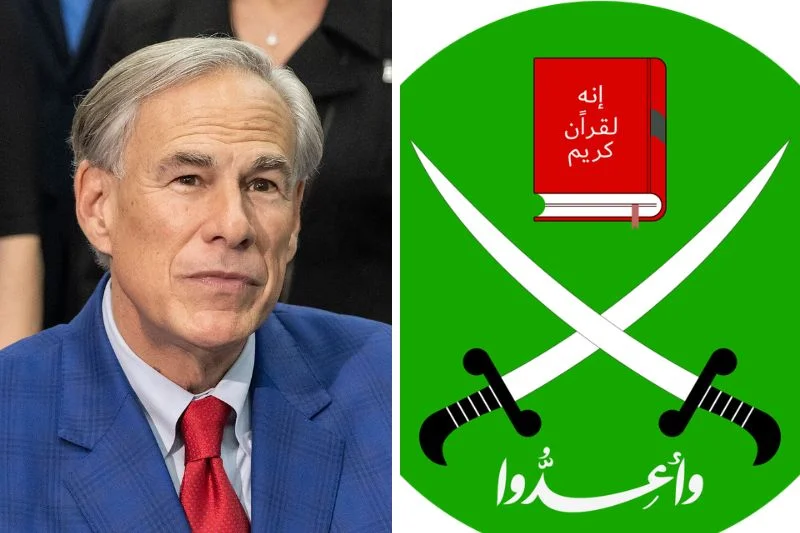
The controversy has gained momentum due to actions taken by Greg Abbott and Texas state authorities. According to the report, state officials have tightened their scrutiny of organizations and projects that they believe may have ties to extremist ideas. These efforts reportedly include legal reviews, regulatory actions, and investigations related to property. “State authorities increasingly see ideological extremism as a national security issue that needs legal and institutional responses,” the article states. Abbott has previously stressed that Texas will thoroughly investigate any activities considered threats to public safety or constitutional order. His supporters argue that such preventive oversight is necessary in a time when ideological radicalization can spread through online networks and social groups. Opponents, however, contend that these actions risk politicizing religion and could face constitutional challenges if there is not enough evidence of wrongdoing.
The EPIC City Debate Is Raising Bigger Questions About Community Identity
One of the most talked-about elements of the debate involves the proposed Meadow development. This is sometimes linked to broader discussions about the EPIC City project in Texas. Critics describe the development as a self-contained religious community that could encourage social separation instead of integration. They argue that tightly organized faith-based communities may create parallel governance structures or limit interaction with the wider society. Supporters strongly reject these claims. They insist the development is simply a lawful residential project designed around shared cultural and religious values, something that exists across many faith groups in America. “The debate over religiously centered communities raises broader questions about integration, governance, and social cohesion,” the report states. The issue has now become part of a larger national conversation about how multiculturalism, religious freedom, and community identity should function in modern America.
How Schools and Youth Programs Became Part of the Ideological Battle
Another major concern raised in the article involves education and youth engagement programs. The report claims that student outreach initiatives, campus organizations, schools, and youth programs are increasingly contested spaces for ideological influence. Critics argue that young people are especially vulnerable to identity-based messaging and political activism. “Control of educational and youth spaces remains one of the most significant battlegrounds in the contest of ideas,” the article states. At the same time, educators and Muslim advocacy groups warn against assuming that all religious or cultural outreach programs have political motives. Many argue that student organizations mainly serve social, educational, and spiritual purposes. Still, the discussion reflects a growing national anxiety about how ideology spreads in the digital age, especially among younger audiences.
More Stories Worth Exploring
How Big Is Backrooms’ Debut?
Discover how Backrooms shattered expectations and became A24’s biggest opening weekend success.
What’s New on HBO Max?
Explore the biggest movie additions streaming on HBO Max this June, from cult classics to recent hits.
Where Watch Spelling Bee Live?
Discover how and where to catch the 2026 Scripps National Spelling Bee live tonight.
Why Looks Tonight’s Moon Different?
Explore the science behind tonight’s bright moon and tomorrow’s rare Blue Moon phenomenon.
Can Fans Outsmart Ticket Bots?
Check out practical strategies that can improve your chances of securing concert tickets faster.
America’s Ongoing Clash Between Security and Religious Freedom
The broader debate about the Muslim Brotherhood, religious freedom, and ideological influence is unlikely to go away anytime soon. As Texas continues to grow in population and political power, disputes involving faith-based communities, public security, and constitutional rights are expected to become even more noticeable. For some Americans, the issue is about stopping ideological extremism before it takes hold. For others, it is about defending religious liberty and steering clear of fear-based narratives. What is clear is that the conversation has moved far beyond Texas and is now part of a larger national struggle over identity, integration, and security in the United States.
FAQs
1. What is the Muslim Brotherhood?
The Muslim Brotherhood is an Islamist movement founded in Egypt in 1928. It has political, religious, and social branches across multiple countries.
2. What is meant by “civilizational jihad”?
The phrase refers to claims that ideological influence can gradually reshape societies through institutions, education, and culture rather than violence.
3. Why is Texas being discussed in this debate?
Texas has become central to the discussion because of expanding Islamic institutions, community developments, and recent political scrutiny from state officials.
4. What is the EPIC City or Meadow controversy?
The controversy involves proposed religiously centered residential developments in Texas that critics and supporters view very differently.
5. Are there legal concerns involved?
Yes. Critics argue that state actions targeting religious communities could raise constitutional and civil liberties questions.