Rwanda’s Growing Military Footprints in Sub-Saharan Africa: Boon or Bane?
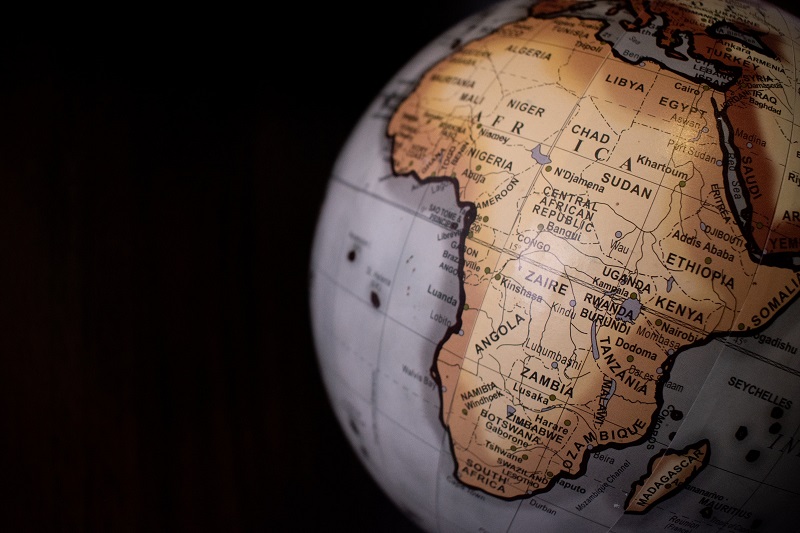
A small, landlocked nation in East Africa called Rwanda has become a key participant in resolving military conflicts in sub-Saharan Africa. The Democratic Republic of the Congo (DRC), the Central African Republic (CAR), Mozambique, South Sudan, and maybe Benin are nations where Rwanda has expanded its military presence. Although several causes contribute to Rwanda’s interventionism, debates and worries about the implications for the security architecture of the area, have been sparked by the country’s expanding military reach.
The DRC intervention by Rwanda began in the 1990s and was sparked by complicated racial dynamics and local power struggles. The two countries have been engaged in protracted proxy wars due to this engagement. The CAR’s security situation has been dramatically impacted by Rwanda’s military collaboration with the government and its role in the civil conflict, boosting economic involvement and influence in the nation. Rwanda’s successful campaign against militant groups in Mozambique has solidified its position as the area’s primary security supplier.
Several issues influence the pro-active military diplomacy of Rwanda. Its propensity for “African solutions to African problems,” protection of its ethnic relatives living in other nations, financial gain, aspirations to dominate the region, and efforts to silence dissidents overseas are a few of them. However, given that Rwanda receives funding and economic assistance from the EU and France, questions are raised about its capacity to act as a stand-in for Western powers in Africa.
Keep Reading
Reactions to Rwanda’s expanding military presence have been divided. Powerful nations in the region, like South Africa and Nigeria, have voiced their displeasure with Rwanda’s proactive military diplomacy. In addition, due to Rwanda’s significant economic participation in the CAR, worries have been expressed regarding the potential financial exploitation of nations in conflict. Some contend that diverting Western criticism of Rwanda’s international and domestic policies may also drive the country’s actions in the CAR and Mozambique.
There are advantages and disadvantages for the area in the growth of Rwanda as a security supplier in war-torn African nations. Although Rwanda’s efforts have had a good impact on armed conflict resolution, there are worries about unforeseen repercussions. Uncertainty surrounds whether Rwanda’s expanding interventionism will benefit or harm troubled African nations.
Undoubtedly, the growing military presence of Rwanda in sub-Saharan Africa has changed the nature of the security situation in the area. It will be critical for the international community and regional countries to closely monitor the effects of Rwanda’s operations as it continues to play an active role in handling armed crises. To define Rwanda’s role as a security provider, it will be essential to balance promoting positive outcomes and resolving potential problems.