Iran Confirms Strait of Hormuz Deal With Oman Is in Final Stages: Key Details Explained
There’s some genuinely interesting news brewing out of the Persian Gulf: Iran says it’s on the verge of finalizing an agreement with Oman over how ships navigate the Strait of Hormuz. If you’ve been watching oil markets or shipping news lately, this is the kind of development that could actually move the needle.
So what’s actually being agreed on?
From what Iranian officials are saying, the two countries have basically nailed down the route ships would take through the strait the actual coordinates are settled. What’s left are the messier political questions: who oversees traffic in the corridor, whether ships would have to pay any kind of transit fee, and how all of this squares with international maritime law. Those aren’t small details, but the core geography of the deal seems locked in.
More Stories You Shouldn’t Miss
Could Tom Holland’s Luxury Stay Surprise?
Discover the lavish details behind Tom Holland’s extravagant stay at Mumbai’s iconic Taj Mahal Palace.
What Makes India’s Brain Atlas Revolutionary?
Explore how Indian scientists are unlocking the mysteries of the human brain with cutting-edge 3D mapping.
Why Did US Seize Iranian Tanker?
Uncover the dramatic events behind the US Navy’s tanker seizure and its impact on India.
Why Reject Two Citizenship Offers?
Find out why Rashid Khan chose loyalty over offers from India and Australia.
How Did Vikram-1 Create History?
Check out how Skyroot’s Vikram-1 became a milestone for India’s private space ambitions.
Why should anyone outside the shipping industry care?
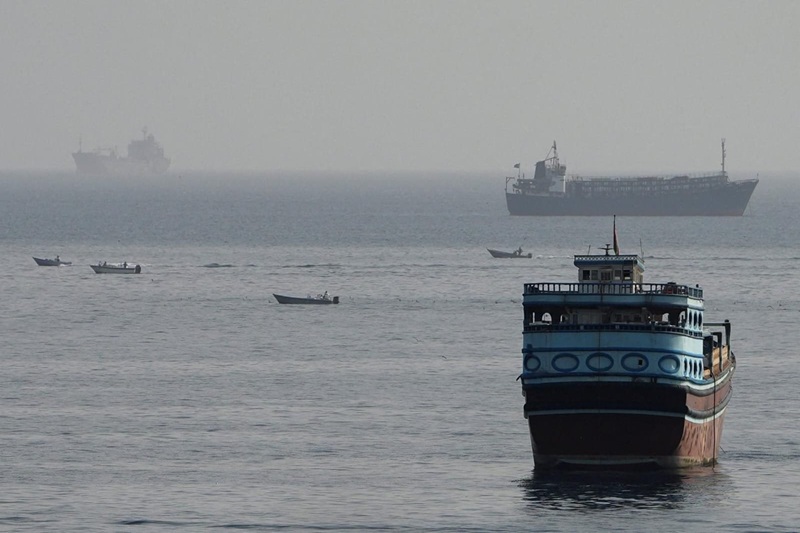
Because the Strait of Hormuz isn’t just any waterway it’s arguably the waterway when it comes to global energy. Something like a fifth of the world’s oil, plus a huge chunk of LNG, passes through this narrow channel between the Persian Gulf and the Gulf of Oman. When there’s uncertainty here, it ripples out fast: shipping companies start rerouting vessels, insurance costs climb, and energy prices get jumpy. We’ve already seen some of that play out amid recent regional tensions.
What’s still standing in the way?
A few things. The U.S. has been firm that the strait needs to stay open under international rules, with no mandatory fees imposed by Iran. Shipping companies, for their part, are nervous paying any Iranian-controlled authority could open them up to sanctions risk or legal headaches, even if the deal itself is well-intentioned. There’s also skepticism from industry voices that the arrangement will actually work in practice unless the major international players buy in too.
Could this actually move oil prices?
Potentially, yes. If the deal goes through and shipping becomes more predictable, it could help ease some of the pressure that’s been building on oil prices and reduce shipping delays. That said, analysts aren’t popping champagne just yet even a signed agreement doesn’t erase the underlying geopolitical tension in the region. One flare-up between regional powers could unravel a lot of this progress overnight.
FAQs
1. What is the Strait of Hormuz?
It is a narrow waterway connecting the Persian Gulf to the Gulf of Oman through which around 20% of the world’s oil and large volumes of LNG are transported.
2. What did Iran announce?
Iran said its agreement with Oman on navigation through the Strait of Hormuz is in the final stages of negotiation, with most technical aspects reportedly completed.
3. Why is this agreement important?
A successful agreement could improve shipping safety, reduce market uncertainty, and help stabilize global energy supplies.
4. Are there still disagreements?
Yes. Questions over transit fees, shipping management, sanctions, and international maritime law remain unresolved.
5. Could this affect oil prices?
Yes. Greater certainty over shipping through the Strait of Hormuz could ease pressure on global oil markets, although geopolitical risks remain.