Reflecting on History: Pearl Harbor and Its Impact on U.S.-Japan Relations
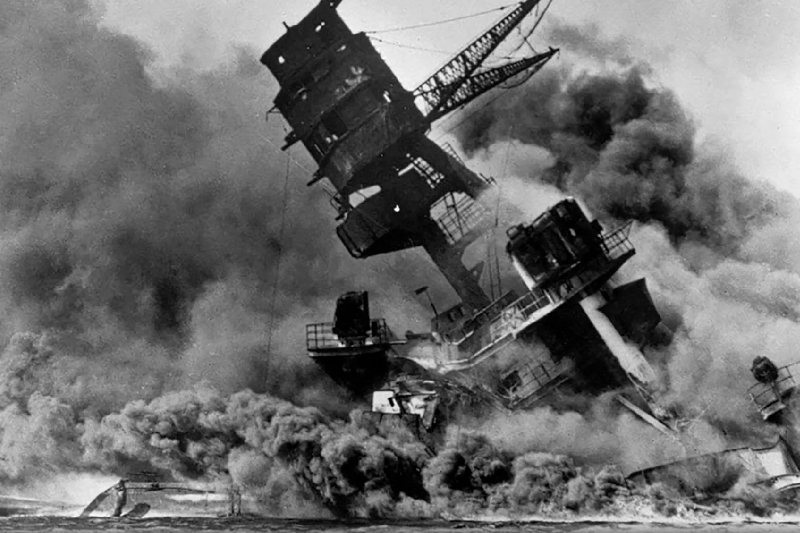
On December 7, 1941, the United States faced a pivotal moment in history as Japan executed a surprise attack against the U.S. Pacific fleet anchored at Pearl Harbor. The repercussions were profound—19 U.S. ships were crippled or destroyed, over 350 aircraft were rendered useless, and 2,403 American lives were lost, with more than 1,000 injured. The attack prompted President Franklin D. Roosevelt to declare, “Yesterday, December 7, 1941 – a date which will live in infamy – the United States of America was suddenly and deliberately attacked by naval and air forces of the Empire of Japan.”
Rising from the Ashes
While the devastation was severe, the Pacific fleet’s resilience surprised the Japanese Empire. Battleships, the primary targets, proved less critical than anticipated, as aircraft carriers, the Navy’s crucial assets, were fortunately absent from the harbor. Onshore facilities, including repair shops, oil storage depots, submarine docks, and shipyards, escaped major damage, facilitating the accelerated recovery of damaged ships.
According to an article on History.com, the salvage operations involved Navy and civilian divers spending around 20,000 hours underwater during approximately 5,000 dives. Within three months, 11 damaged ships were back in action. By the war’s end, all but two had been raised and returned to service, defying the expectations of Japanese Admiral Isoroku Yamamoto, the mastermind behind the Pearl Harbor attack.
Yamamoto’s Dismay and Long-term Consequences
Isoroku Yamamoto, acknowledging the miscalculation, admitted, “I shall run wild considerably for the first six months or a year, but I have utterly no confidence for the second and third years.” The Japanese military aimed to cripple the Pacific Fleet to establish dominance in the region. However, the recovery of most U.S. ships surprised Yamamoto, altering the course of the war.
Keep Reading
On D-Day in June 1944, the USS Nevada played a crucial role in the Allied victory against German forces. Toward the war’s end, the USS West Virginia, USS California, USS Tennessee, USS Maryland, and USS Pennsylvania sought revenge against approaching Japanese naval forces in the Surigao Strait.
Decades later, the events of Pearl Harbor continue to resonate in the hearts and minds of citizens on both sides. As we mark December 7, 2023, we remember the victims of one of the worst attacks on U.S. troops in history. The emotions tied to that day—terror, grief, loss, tragedy, anger, and treachery—still echo, influencing policy, strategy, and the collective memory of people.
U.S.-Japan Relations Today
Despite the historical turbulence, Japan and the United States have evolved into strong allies. The enduring impact of Pearl Harbor serves as a reminder of the need for diplomacy, reconciliation, and the pursuit of a peaceful world. While the wounds of the past have healed, the memory lingers, shaping international relations and underscoring the importance of fostering global harmony.