

Red Sea Shipping Crisis 2026: How Security Threats Are Disrupting Global Trade Routes
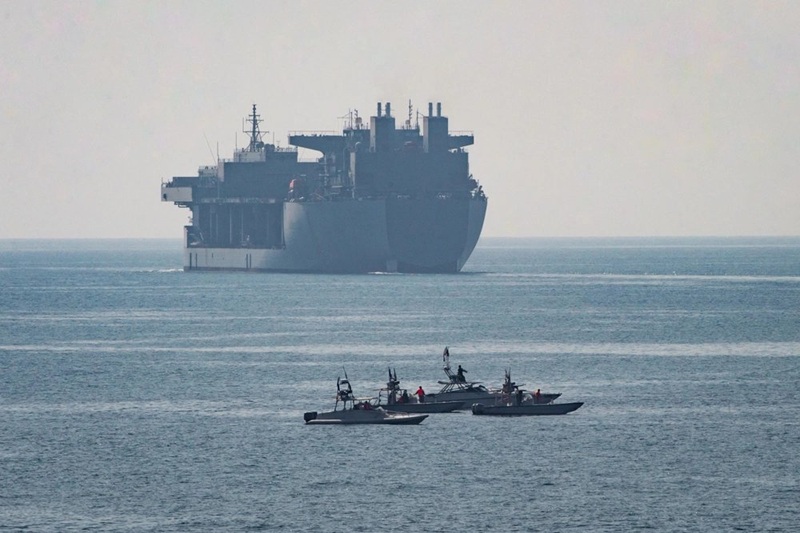
The Red Sea Shipping Crisis 2026 tests once again the resilience of global trade. Every day hundreds of cargo ships navigate the Red Sea and the Suez Canal to transport everything from electronics and clothing to oil and food. But security worries in one of the world’s busiest maritime corridors are leading many shipping companies to reroute, causing delays, higher transportation costs and fresh worries for businesses and consumers alike. Global supply chains have recovered from many of the pandemic’s disruptions, but the new instability in the Red Sea is a new big challenge. Shipping experts warn that if the situation continues, the prolonged security risks could reshape the international trade patterns.
Why the Red Sea Matters to Global Trade
The Red Sea, connected to the Mediterranean Sea and the Indian Ocean by the Suez Canal, is one of the world’s main shipping routes. The route handles about 12-15% of the world’s trade every year and a large chunk of container traffic. The shipping companies see the Red Sea as the fastest route between Asia and Europe. Ships can sail around the Cape of Good Hope, at the southern tip of Africa, to avoid the area, which can add more than a week to the time at sea and greatly increase fuel costs. The longer route also means fewer trips ships can make in a year, limiting shipping capacity in world markets.
Latest Updates on the Red Sea Shipping Crisis 2026
Attacks and threats against commercial vessels in the region continue, and security concerns remain high. Some of the major shipping companies have suspended transit through the Red Sea altogether or are still rerouting ships around the African continent until it is safe to resume. Naval forces from around the world are patrolling and escorting merchant vessels to provide security. But shipping companies are still calculating risks on a voyage-by-voyage basis, balancing crew safety with operating costs. Marine insurers have also raised war-risk premiums for vessels entering high-risk waters. These additional insurance costs are ultimately passed through the supply chain, affecting manufacturers, retailers and consumers alike.
How the Crisis Is Affecting Businesses and Consumers
The Red Sea Shipping Crisis 2026 has impacts well beyond the shipping industry. The longer time it takes to get products imported from Asia is making it difficult for retailers to plan their inventories. For manufacturers who rely on imported raw materials, the cost of transportation is higher and production can be periodically interrupted. What consumers might see:
- Rising import prices
- Late deliveries of electronics, furniture, and apparel
- International freight shipping costs are higher
- More uncertainty about product availability
Energy markets are also watching developments closely as the region remains a crucial route for oil and liquefied natural gas shipments.
Economic Impact on Global Supply Chains
Economists say the crisis shows how vulnerable global trade is still to geopolitical instability. Longer routes take more fuel, emit more carbon, and are more expensive to operate. Big companies could diversify their suppliers or move production nearer to key markets but smaller importers may struggle to absorb the extra costs. Supply-chain experts say companies will keep investing in resilience by bringing manufacturing closer to home, holding more inventory in warehouses and not relying on single shipping corridors. Should frictions continue into 2026, global inflationary pressures may be magnified in sectors with significant exposure to international shipping.
Keep Reading: Discover More Expert Insights, Health Breakthroughs & Inspiring Stories
1. What Drives Your Best Performance?
2. Could Insulin Pills Change Diabetes?
3. How Did She Lose Weight?
4. Why Is Vikram-1 Historic?
Explore how Skyroot’s Vikram-1 launch marked a major milestone in India’s private space journey.
5. Are You Protecting Your Hearing?
What Could Happen Next?
Much will depend on security conditions in the months to come. The pace of return to normal shipping operations will depend on diplomatic progress, coordinated naval protection and regional stability. For the moment most analysts expect the freight companies to move slowly. Attacks may ebb, but it could be some time before confidence is restored along one of the world’s busiest maritime trade routes. The Red Sea Shipping Crisis 2026 is a reminder of how the world’s only strategic waterway can shape prices, supply chains and global economic stability.
FAQs
1. What is the 2026 Red Sea shipping crisis?
It points to the ongoing security threats to commercial vessels in the Red Sea, which has led shipping companies to reroute ships and disrupted global trade.
2. Why is the Red Sea important to world trade?
The Red Sea, one of the shortest and busiest shipping routes in the world, connects Europe and Asia through the Suez Canal.
3. What is the impact of the crisis on consumers?
Consumers could see higher prices, longer shipping times and increased shipping costs for imported goods.

