Rating Agencies attack African countries
Last updated on February 28th, 2023 at 07:55 am
Having lost operating space in the US and Europe, the rating agencies have thrown themselves into emerging countries, especially those of Africa. You don’t have to be a genius of competence and analytical skills to imagine the economic difficulties in a world devastated by the COVID-19 pandemic. In particular in emerging countries, which have always been very susceptible to what happens in the so-called advanced economies.
At different times and in diverse ways, the three rating sisters, Standard & Poor’s, Moody’s and Fitch, downgraded ten African countries and their public debt securities down to the junk level. These are Angola, Botswana, Cameroon, Cape Verde, the Democratic Republic of the Congo, Gabon, Nigeria, South Africa, Mauritius and Zambia. The assessments are based on the forecasts regarding the weakness of the tax and health systems of the countries. This happens while the World Bank has instead supported the suspension of interest payments on the debts of the poorest countries that are part of the International Development Association (IDA).
On the other hand, their knowledge of Africa is very low. S&P, for example, says to be able to make assessments on 128 countries around the world, but has only one office, in Johannesburg, for the entire African continent. Agency ratings are usually trivial ratings. But they are taken into consideration by the markets to judge the health of the various national economies and, consequently, to also define the interest rates on their public debt. This is a phenomenon repeatedly experienced with devastating effects on the cost of loans and also the weakening of the capital offered by international investors.
It is worth mentioning their role in the financial meltdown in the years of the Great Crisis of 2008, which had an impact on global markets and especially on the real economy of many countries, including developing ones. The detailed report “The financial crisis inquiry report” prepared by a bipartisan commission and published by the US government in 2011, where it was stated, among others, that “the crisis could not have occurred without these agencies. Their ratings, first skyrocketing and then suddenly lowered, have thrown markets and businesses haywire”.
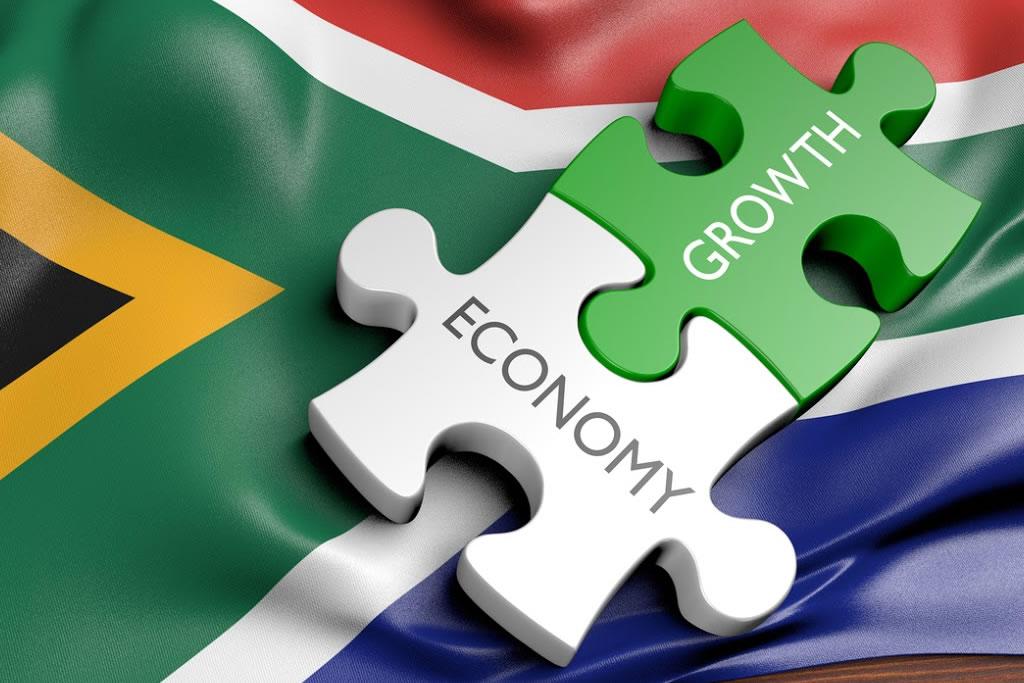
Moody’s has downgraded South Africa to junk, causing it to lose the last investment-grade step, under which institutional investors are no longer authorized to buy government bonds. The rating agency estimated a significant increase in South African public debt expected to reach 91% of GDP by 2023. Fitch cut Gabon’s sovereign rating from B to CCC. The explanation of the downgrade concerns the possible difficulty of repaying sovereign debt due to a lack of liquidity due to the fall in oil prices. Moody revised Mauritius’s sovereign rating negatively due to lower tourist earnings for coronavirus. Nigeria has been downgraded from S&P from B to B – because COVID-19 would have increased the risk of fiscal and external shocks from falling oil prices and the economic downturn.
S&P also downgraded Botswana, one of Africa’s most stable economies, which had an A rating. The agency cited the weakening of its state budget due to a drop in demand for raw materials and the expected economic slowdown, due to COVID-19. The downgrading of Botswana was decided when there was yet no case of infection in the country. We assist in a wave of downgrades of private companies due to the concept of sovereign limes: a country’s rating generally determines the report card assigned to companies operating within its borders. The African countries are called by many to draw up a collective response mechanism against the abuse of the rating.
Also Read:- In lieu of China imposing new law in Hong Kong, UK to offer “citizenship route” to HK citizens